
US Sanctions on British Anti-Disinformation Advocates Spark Controversy
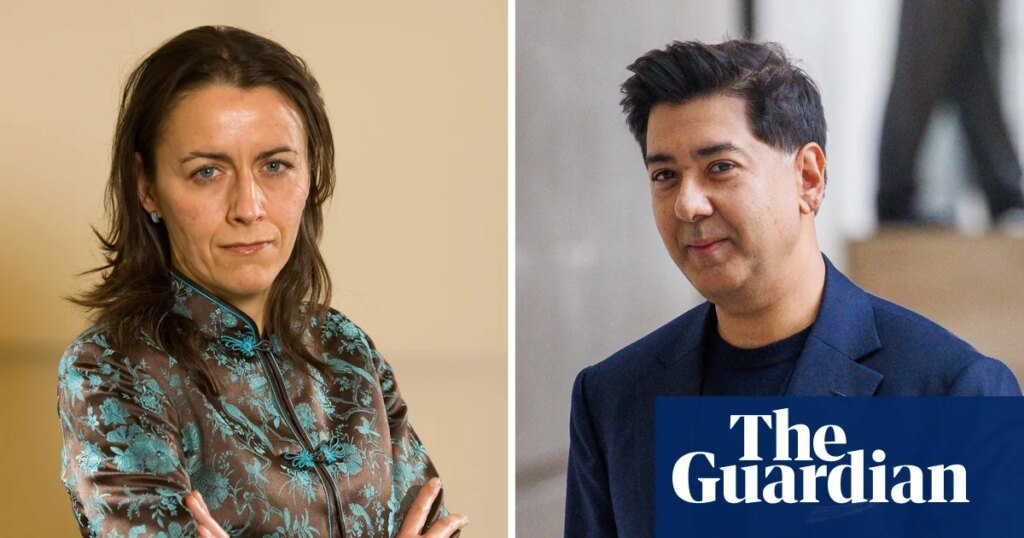
A prominent Labour MP is calling out the Trump administration for what she sees as a threat to free speech. Following the announcement of visa-related sanctions against two British figures in the anti-disinformation movement, the discourse surrounding social media regulation has intensified. Chi Onwurah, who chairs the technology select committee in Parliament, has voiced her concerns just hours after US Secretary of State Marco Rubio disclosed sanctions on five Europeans, including Imran Ahmed and Clare Melford.
The Controversy Unfolds
Imran Ahmed heads the Center for Countering Digital Hate (CCDH), while Clare Melford serves as the chief executive of the Global Disinformation Index (GDI). Both organizations have found themselves at odds with Elon Musk, the owner of X and a previous advisor to the former US president. Onwurah expressed her discontent on Wednesday, stating, “Banning individuals because you disagree with their views undermines the free speech principles that this administration claims to uphold.”
Calls for Broader Discussion
Onwurah emphasized the pressing need for robust discussions regarding the regulation of social media, arguing that this is essential for protecting citizens. She highlighted Ahmed’s contributions to the select committee’s inquiry on social media and the repercussions of harmful content, describing him as an effective advocate for enhanced regulation and accountability. “Banning him won’t eliminate the debate; too many individuals suffer from the dissemination of digital hate,” she added.
Reactions from the US Government
Rubio has accused the five targeted individuals—among them former EU commissioner Thierry Breton—of orchestrating efforts to manipulate American platforms into censoring content and suppressing divergent viewpoints. Sarah Rogers, a state department official, reinforced this stance on X, declaring, “Our message is clear: if you spend your career promoting censorship of American speech, you’re unwelcome on American soil.”
Backlash from Advocacy Groups
The CCDH has faced backlash from Musk, who criticized its reports detailing the surge of extremist and racist content on X since his acquisition of the platform. In response to the organization’s findings, Musk attempted to litigate against it last year, labeling it a “criminal organization.” He has also called for the shutdown of the GDI over its critiques of right-wing platforms propagating disinformation. Musk has been vocal against the EU’s Digital Services Act, which Breton played a significant role in introducing. This law has resulted in X facing a substantial fine due to what the EU categorized as deceptive practices surrounding its user verification blue tick system.
Statements from Affected Parties
In reaction to the sanctions, a GDI spokesperson characterized them as an “authoritarian attack on free speech and an egregious act of government censorship,” asserting that the Trump administration is, yet again, using its influence to silence dissenting voices. They described the actions as “immoral, unlawful, and un-American.” Ahmed has also been reached for comments regarding the situation.
International Responses
A spokesman for the UK government commented that while each nation has the right to enforce its visa policies, they advocate for regulations that aim to keep the internet clear of harmful content. This statement diverges from the more assertive responses from the French government and the European Commission. French President Emmanuel Macron labeled the sanctions as “intimidation and coercion aimed at undermining European digital sovereignty.” The European Commission strongly condemned the actions of the Trump administration.
Concerns About Future Implications
Jonathan Hall, the independent reviewer of terrorism legislation for the UK government, warned that these developments could create a significant chilling effect on discourse surrounding internet regulation. UK campaigners have expressed apprehension that the British government may face increased scrutiny if the Trump administration escalates its campaign against tech regulation. Ava Lee, executive director of People Vs Big Tech, stated that the Trump administration is intensifying its efforts against Europeans who aim to uphold legal frameworks in regulating major tech companies. She noted, “With the Online Safety Act (OSA), the UK is likely to be next in the crosshairs.”
Final Thoughts
The Trump administration has previously expressed concerns regarding the OSA, with officials from the state department meeting with Ofcom, the overseeing regulator. It is believed that they raised alarms about potential infringements on free speech posed by the act. Beeban Kidron, a notable online safety advocate and crossbench peer in the House of Lords, denounced Rubio’s remarks on the visa sanctions as an “outrage,” accusing the US tech sector and administration of attempting to undermine European laws and values.
Key Takeaways
- The Trump administration has imposed sanctions on two British anti-disinformation advocates, raising free speech concerns.
- Chi Onwurah emphasizes the need for open discussion on social media regulation to protect citizens.
- The sanctions have sparked significant backlash from advocacy groups, calling them acts of censorship.
- International reactions highlight a shared commitment among European leaders to uphold digital sovereignty.