
The Implications of China’s Trade Surplus and Industrial Policy
In early December, French President Emmanuel Macron returned from a visit to China without any substantial outcomes. His efforts to engage with Chinese President Xi Jinping regarding the ongoing conflict in Ukraine encountered a wall of indifference, as Beijing continues to show strong support for Russia. Likewise, Macron’s appeal concerning China’s rising trade surplus, driven by its economic strategies, met with little response.
The Focus of China’s Leadership
During the meetings, Xi’s priorities revolved around important domestic events—the annual politburo meeting and the subsequent Central Economic Work Conference (CEWC). These gatherings are critical for outlining the country’s economic strategy, particularly with plans for a new five-year agenda expected to be unveiled during the National People’s Congress in March. Ensuring a successful launch in 2026 is of utmost importance for China’s long-term goals.
The world now faces the prospect of a second “China shock.” The first came after China joined the World Trade Organization (WTO) in 2001, which had far-reaching effects on global labor and resource markets. Communities worldwide suffered as jobs disappeared. The new shock revolves around China’s ambition to lead in advanced technologies—including electric vehicles, batteries, semiconductors, and artificial intelligence—through an unprecedented state-directed industrial strategy.
Beijing’s Optimistic Rhetoric vs. Economic Reality
At this year’s CEWC, officials expressed optimism regarding China’s economic direction, claiming they are “on the correct path.” Yet, this optimistic proclamation belies the reality of the government’s proposed policies, which signal challenges ahead. These include looser monetary policies, budget deficits, measures to stabilize the real estate market, and increased social spending to navigate a “complex external environment.” This complexity arises from issues like overproduction, weak domestic demand, and risks to financial stability, particularly tied to the troubled real estate sector.
Strengthening Domestic Demand
Beijing is placing a major emphasis on boosting domestic demand by 2026—a narrative that has been present for several years. Despite this priority, tangible progress has been limited. The government misinterprets the underlying issues, attributing weak consumer spending to supply shortages rather than a lack of demand.
The Industrial Policy Commitment
China’s overarching policy remains focused on industrial growth, which comprises a larger share of GDP than in many other nations. The government’s ambition is to lead what Xi designates as the fourth Industrial Revolution by mid-century, aiming to supersede the United States in global influence and establish a governance framework aligned with its political ideology.
The tension between promoting consumption and continuing support for industrial production may lead to conflicts within policy execution. Resources allocated for industrial growth, fiscal strategies, and regulatory measures often benefit one area while hindering the other. This industrial focus may exacerbate existing issues, such as overproduction and deflation—notably reflected in China’s declining GDP deflator, which has fallen for ten consecutive quarters.
Trade Dynamics and Global Impact
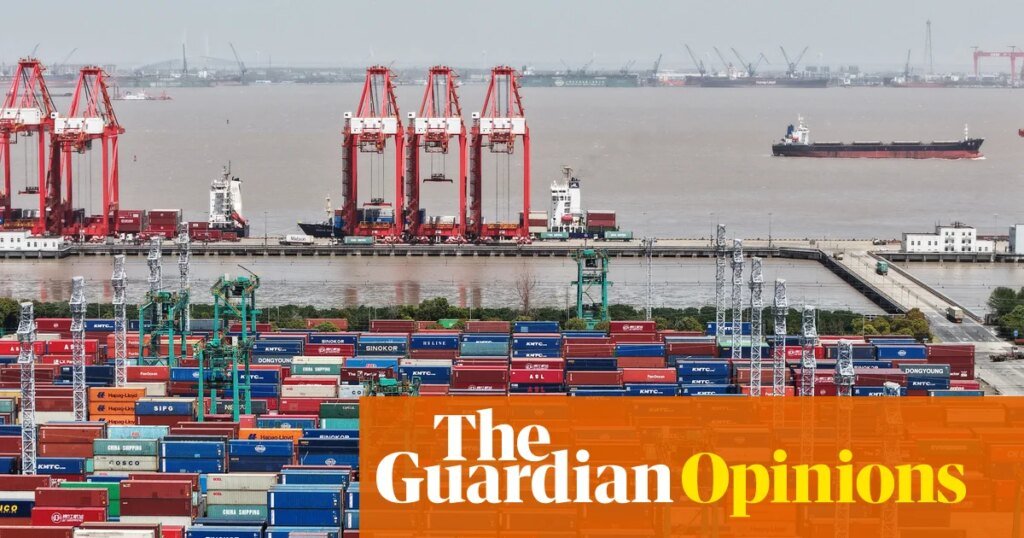
The strong supply and weak demand scenario contributes to a booming export sector. China has recorded a remarkable $1 trillion trade surplus in goods this year, with one-third of that coming from Europe and the UK. Since 2022, exports have surged 50%, while imports have barely budged, despite efforts like tariffs implemented during Donald Trump’s presidency impacting the global trade landscape.
Chinese exports pose a significant challenge to Europe’s industrial base. Products such as machinery, high-tech equipment, and automotive items now threaten jobs and industries across the continent. Meanwhile, stagnant import levels highlight weak local demand and China’s strategic push for self-reliance, limiting expansion opportunities for foreign producers.
The Role of Currency Valuation
The undervaluation of the Chinese yuan—a real effective rate approximately 20% lower than three years ago—has fueled this export boom. Although the International Monetary Fund has suggested a policy shift regarding the yuan, the Chinese government remains focused on maintaining “basic stability” of the currency.
Responses to the Trade Imbalance
Macron’s visit culminated in strong statements about the unsustainable nature of the trade imbalance, describing it as “a question of life or death” for European industries. This situation prompted the European Union to implement some tariffs on Chinese electric vehicles while establishing mechanisms to monitor unfair trade practices. As a result, the EU is expected to take a more assertive stance moving forward.
In contrast, the UK has taken a more subdued approach, working with the EU on trade policies related to steel. The upcoming visit of opposition leader Keir Starmer to China might provide an opportunity for engagement, although achieving more than Macron did on contentious issues appears unlikely.
Conclusion
As the global community navigates the implications of China’s expansive industrial ambitions and trade practices, it becomes increasingly critical for nations to address the challenges posed by China’s economic strategies. Understanding the motivations behind the second China shock will be vital for adapting and responding effectively in the coming years.
- Macron’s recent China visit yielded little as Beijing maintains ties with Russia.
- China’s focus on industrial policy indicates intentions to dominate in advanced technology sectors.
- The growing trade surplus poses serious challenges for European industries and employment.
- Responses from Europe and the UK indicate a shifting approach towards China’s economic actions.