
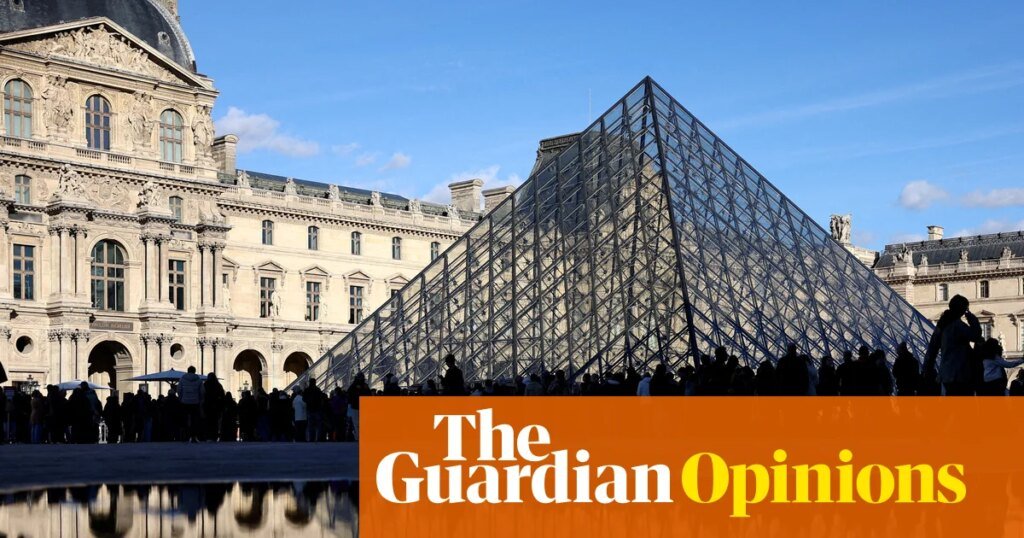
The Louvre: A Journey Through Time and Transformation
Long before the opulence of Versailles captured the world’s imagination, the Louvre emerged from the banks of the Seine as a royal abode. Initially a residence, it transitioned into a treasure trove of art and culture, where notable figures like Charles V showcased their libraries and Henri IV turned it into an artistic hub, accommodating a community of artisans, craftsmen, and creators. Over the years, this magnificent structure has evolved, with successive monarchs adding coins, prints, antiquities, and academies dedicated to various fields.
The Transformation into a National Museum
As the Enlightenment era called for access to the greatest artistic achievements, the revolution responded boldly. On November 8, 1793, the Louvre opened its doors to the public for the first time, allowing ordinary citizens to explore the Salon Carré and Grande Galerie, thus converting a royal palace into a national art museum. Despite facing challenges such as revolutions, destruction, and occupation, the Louvre has endured and adapted, housing a collection that tells stories of daring heists and quiet acts of heroism. This iconic museum not only embodies France’s historical essence but also captures the world’s imagination.
Notable Heists and Protective Measures
More than a century before the recent wave of thefts, the Louvre was already embroiled in scandalous escapades. One notable event occurred on August 21, 1911, when Italian handyman Vincenzo Peruggia stealthily removed the Mona Lisa from its frame and slipped away with it hidden under his coat. Believing he was rectifying a historical injustice, Peruggia sought to return the painting to Italy, unaware that Leonardo da Vinci had brought it to France as part of a royal invitation. It took over 24 hours for the museum to realize the masterpiece was missing, and nearly two years before the painting was recovered. During this time, visitors gathered to gaze at the vacant spot on the wall.
World War II and the Louvre’s Artful Preservation
Fast forward to twenty-eight years later, as the threat of World War II loomed. Jacques Jaujard, the deputy director of the Louvre, undertook a secret and audacious mission to protect the museum’s treasures from Nazi capture. With support from dedicated staff and art students, he orchestrated the secretive packing and transport of 1,862 cases containing invaluable artifacts to remote castles in France. When the Nazis arrived in Paris in June 1940, they found an empty Louvre and Jaujard steadfast at his desk.
Modern Challenges and Urgent Repairs
Today, these captivating narratives have contributed to the Louvre’s status as the most visited museum globally, drawing in nearly nine million visitors annually—but this popularity has brought its own set of challenges. The museum is literally bursting at the seams. Recently, the Campana gallery, which holds a collection of ancient Greek ceramics, was closed due to fears of a ceiling collapse. Water damage from broken pipes has put the Egyptian antiquities library and hundreds of historical documents at risk. Laurence des Cars, the current director, has sounded alarms regarding the urgent need for modernization, but action is still lagging. Staff represented by unions have been on rolling strikes since December 15, pushing for immediate measures to secure the museum’s future.
A Promising Renaissance Ahead
President Macron’s proposed grand redesign of the Louvre, dubbed the “renaissance,” comes as a beacon of hope. Estimated to cost €1.15 billion—part of which will be funded by taxpayers—the initiative aims to establish a dedicated space for the Mona Lisa, introduce new galleries, and modernize crucial facilities. Comprehensive upgrades to security, plumbing, and heating systems are high on the agenda.
Public Response to Recent Events
The French public has been expressing a mix of despair and incredulity over the Louvre’s recent misfortunes. The thought of an artwork disappearing via drone would not come as a surprise anymore. A parliamentary committee investigating the theft of the crown jewels has revealed concerning findings regarding the Louvre’s security protocols. Internal reports have consistently highlighted shortcomings in IT and security systems, leaving many to question the priorities of past directors who allocated significantly more funds for acquisitions compared to maintenance.
Looking Forward
Finally, it seems a collective recognition of the Louvre’s pressing issues is dawning. In the upcoming weeks, the announcement of the architect selected for the redesign is anticipated. Macron has set a timeline for commencing work by 2027 and wrapping it up by 2031. Additionally, starting January, adjustments to entry fees will take effect, with non-EU nationals to pay €32 and EU residents €22. In the eyes of many French citizens, it is only natural for mass tourism to contribute to the challenges faced by the museum, and that it should also aid in securing its future.
As an emblematic institution, the Louvre encapsulates the weight of history while addressing modern demands. It reflects the complexities of French identity: proud yet self-aware, globally significant yet deeply local, timeless yet in urgent need of care. With the right resolve and financial support, the Louvre can navigate through its current turmoil, ensuring that French pride remains intact for generations to come.
Key Takeaways
- The Louvre transitioned from a royal residence to a national art museum in 1793.
- It has survived numerous crises, including thefts, war, and infrastructure challenges.
- Plans for a major redesign aim to address these issues and modernize the museum.
- The fate of the Louvre represents broader aspects of French identity and cultural preservation.