
The Impact of Brexit: A Decade Later
Nearly ten years have passed since the Brexit vote, and the assessment is mixed. While the dire economic forecasts didn’t fully materialize, the long-lasting effects of political indecision and the introduction of stricter trade barriers in 2020 have taken a toll on trade, investment, and overall living standards. Just like the day after the 2016 referendum, the discourse today centers around how the government should address these challenges.
Calls for Closer EU Ties
This past weekend, Wes Streeting, a prominent Labour politician, reiterated the call for a stronger trading relationship with the EU. His comments were seen as a suggestion that Britain might consider joining a customs union with Europe, although Labour leader Keir Starmer has dismissed this possibility.
The Significance of the EU
The EU remains Britain’s largest trading partner, with UK exports to the region amounting to £358 billion, representing 41% of all exports last year. On the other hand, imports reached £454 billion, making up 51% of the UK’s total imports.
Current Trade Landscape
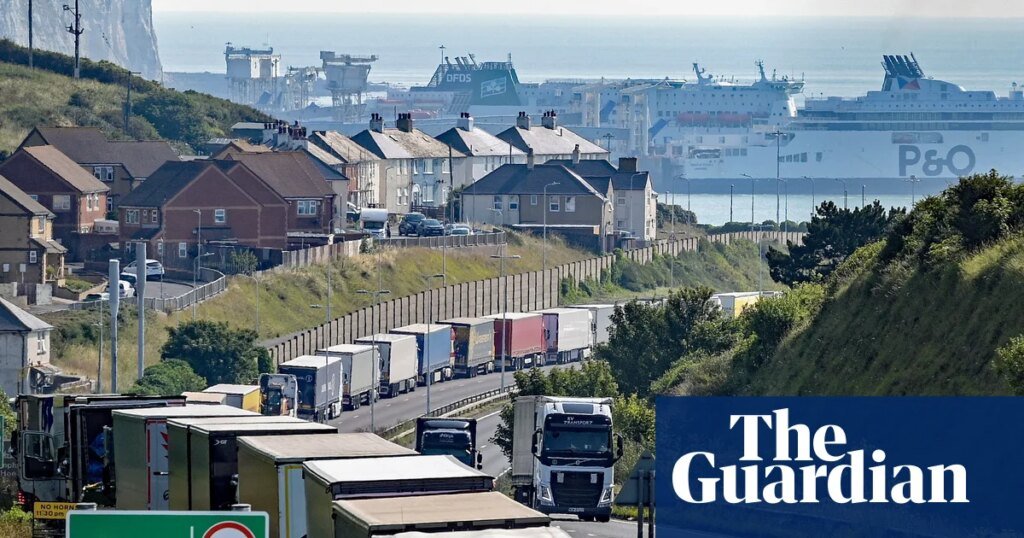
Under the trade and cooperation agreement established by Boris Johnson’s government, tariff-free trade with the EU persists. However, access is hindered by various rules and restrictions, failing to replicate the advantages enjoyed during the UK’s previous membership in the EU single market and customs union.
Decline in Goods Exports
Goods exports have been particularly hard hit. Following the end of the Brexit transition period in January 2021, volumes plummeted and have yet to return to 2019 levels. Although this downturn coincided with the onset of the Covid pandemic, economists note that the UK’s trade in goods has performed weaker than that of other G7 nations, suggesting a much stronger trade scenario could have unfolded had the UK voted to remain.
Services Sector Recovery
Exports of services, both to the EU and beyond, experienced a decline in 2020 but have rebounded more robustly since then. Nonetheless, several sectors have felt the sting of losing access to the single market, particularly the financial services sector in the City of London, which has seen a noticeable decrease in market share within the EU.
Labour’s Position on Trade
Labour’s manifesto explicitly stated a commitment to “no return” to either the single market or customs union, primarily due to the contentious issue of freedom of movement—viewed as a pivotal factor in the leave vote.
Promising Alternatives
Instead, the party is focusing on improving the UK’s trade and investment relationship with the EU by dismantling unnecessary trade barriers. Their proposals include establishing a veterinary agreement to facilitate food trade, creating arrangements for touring artists, and mutual recognition of professional qualifications.
Potential Developments
Recently, both the UK and EU made strides towards negotiating these kinds of agreements in a “reset.” Plans to implement a youth mobility scheme and enhance cooperation in energy, defense, and security were also discussed.
Limitations on Economic Gains
However, the economic uplift from these initiatives is likely to be minimal and negotiating these agreements will certainly take time and require compromise. According to the government’s assessment, a veterinary agreement and cooperation on energy might boost UK GDP by roughly 0.3% by 2040—a figure considerably smaller than the estimated 4% GDP loss attributed to Brexit, as forecasted by the Office for Budget Responsibility.
The Customs Union Debate
A customs union arrangement could potentially yield larger economic benefits. Such a framework would ease some of the bureaucratic complexities introduced by Brexit, like the intricate “rules of origin” that currently increase costs for exporters seeking tariff-free access. Estimates suggest this could add between 2% and 8% to operational expenses.
Evaluating Economic Impact
The Liberal Democrats argue that a customized UK-EU customs union could uplift the economy by 2.2% while generating an additional £25 billion annually for the treasury. However, the UK in a Changing Europe thinktank highlights that these findings are based on simulations of deep regulatory alignment between the UK and EU, which would exceed any standard customs union arrangements.
The Road Ahead
Creating a customs union is bound to be a complex process. Rather than simply “rejoining,” the UK would need to establish a new agreement akin to those that Brussels has negotiated with Turkey, Andorra, and San Marino. This could open a lengthy negotiation period to define what a UK-EU customs union entails, leading experts to predict that the EU would insist on tough conditions, including freedom of movement and financial contributions.
Challenges to Trade Policy
With a customs union, Britain would adopt the EU’s tariffs on imports, essentially ceding some control over its trade policies to Brussels. This could inhibit the UK’s ability to forge advantageous trade agreements with other nations, posing a risk to post-Brexit pacts. For some, an independent trade policy has been beneficial, shielding the UK from the brunt of Donald Trump’s trade war and allowing for new opportunities. However, others argue that the advantages of such a policy have been minimal as current trade agreements have shown little economic enhancement.
Future Considerations
Consensus among economists suggests that closer ties with the EU could stimulate economic growth. Nevertheless, navigating the trade-offs involved will demand extensive political discussions—both domestically and in negotiations with Brussels.
Conclusion
In summary, while the immediate economic fallout from Brexit may not have been as dire as projected, the ongoing effects continue to shape the UK’s trade landscape. As discussions around trade agreements and closer EU relations evolve, the focus remains on finding pathways that can bolster the economy without compromising essential political aspects.
- Brexit’s economic implications have become clear nearly a decade post-vote.
- Calls for a customs union and deeper EU ties continue to feature prominently in political discourse.
- Trade performance post-Brexit indicates significant challenges, especially in goods exports.
- Ongoing negotiations bear potential but require careful political navigation and time.