
Hanoi’s Waste Crisis: The Human Cost of Plastic Recycling
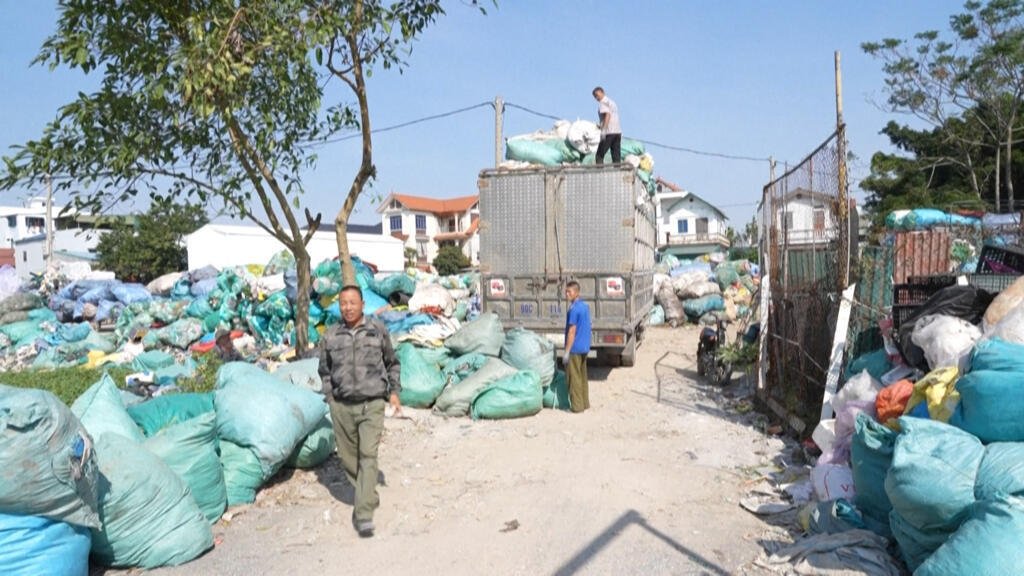
In the outskirts of Hanoi, Vietnam, the reality of waste management is stark for local communities. Residents in several villages find themselves knee-deep in plastic debris, engaged in the arduous task of hand-sorting waste. This harsh necessity stems from the lack of employment opportunities, leaving many with no choice but to earn a living from refuse. While a direct correlation between these hazardous practices and rising cancer rates is yet to be established, warnings from the United Nations underscore the urgent need for reform in how we handle plastic waste.
The Struggles of Plastic Waste Management
In an unsettling scene, countless individuals sift through heaps of discarded plastics to salvage valuable materials. This gritty work exposes them to various toxins and adverse health effects associated with plastic recycling. Although residents express a certain level of acceptance regarding their work, concerns about long-term health consequences loom large.
An Uncertain Health Landscape
As the UN raises alarms about unsafe waste management, the health implications for these workers remain ambiguous. While researchers have yet to definitively link the high incidence of cancer in these regions to plastic handling, the potential dangers are apparent. The precarious situation necessitates greater scrutiny and immediate action to safeguard the well-being of these communities.
Community Voices: Resilience Amidst Adversity
The villagers’ resilience shines through their efforts to provide for their families despite the difficult circumstances. Many articulate aspirations of rising above their current plight and advocate for improved waste management practices. The ongoing challenges they face highlight a fundamental societal issue that calls for attention, not just within Vietnam, but globally.
Calls for Sustainable Solutions
Various stakeholders, including environmental organizations, emphasize the need for sustainable solutions to combat the growing waste crisis. They advocate for better recycling techniques, increased awareness of plastic usage, and policies to create greener alternatives. Transitioning toward a more circular economy could lessen the reliance on manual waste sorting and improve the overall quality of life for affected communities.
Conclusion
The situation surrounding waste management in Hanoi’s outskirts is a vivid reminder of the broader implications of plastic pollution and the urgent need for innovative strategies. Efforts must be undertaken to protect those most affected by this crisis and to foster a healthier, cleaner environment.
- Residents in Hanoi sort through plastic waste for livelihood due to limited job opportunities.
- UN reports highlight potential health risks, but no direct link to cancer has been established.
- The community calls for more sustainable waste management solutions.
- Transitioning towards a circular economy could significantly improve local living conditions.