
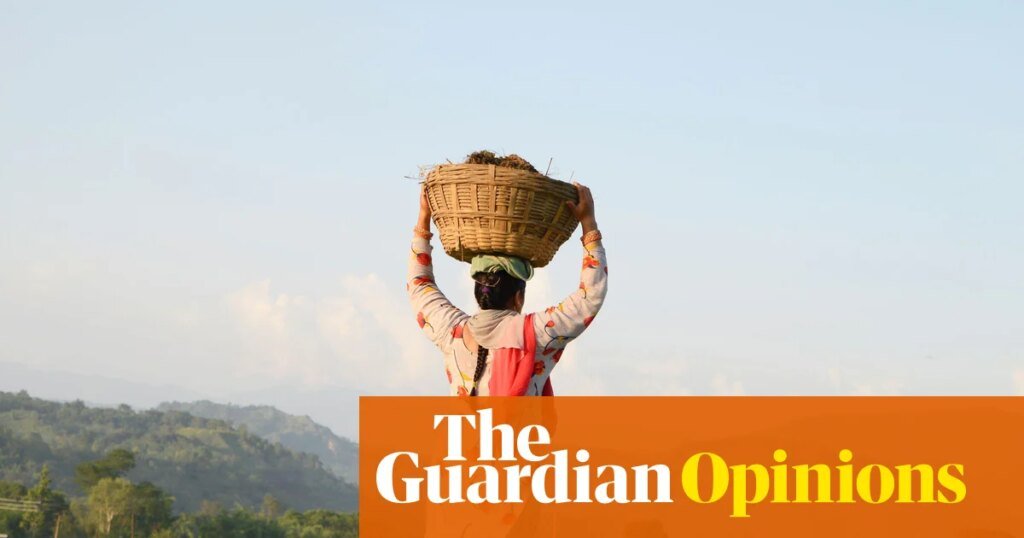
India’s Rural Employment Scheme Under Scrutiny
India’s ambitious rural jobs initiative, known as the Mahatma Gandhi National Rural Employment Guarantee Act (MGNREGA), has garnered attention for its groundbreaking approach to employment rights. Established in 2005, this legislation ensures that any adult in rural areas who seeks work can access local public jobs within 15 days. Failure to meet this requirement obligates the government to provide an unemployment allowance. As a result, MGNREGA has emerged as a vital resource, generating around 2 billion person-days of work each year for approximately 50 million households, predominantly benefiting women and marginalized communities.
The Impact of MGNREGA
In a nation where many depend on seasonal agricultural work, MGNREGA plays a crucial role. The initiative stabilizes household incomes, increases wages, enhances women’s bargaining power, and curbs internal migration. Households are entitled to demand up to 100 days of paid work at a statutory minimum wage, effectively making employment an enforceable right. Initially criticized by the World Bank in 2009 as a “barrier to development,” the same institution acknowledged the program’s effectiveness and labeled it “stellar” five years later. However, current Prime Minister Narendra Modi has shifted from this rights-based framework to a centrally managed welfare program, VB-G RAM G, which faces opposition from prominent economists such as Joseph Stiglitz and Thomas Piketty.
Concerns About the New Scheme
Although Mr. Modi often dismisses critics, there are concerns that he may have underestimated the backlash this time. Jean Drèze, one of MGNREGA’s key architects, claims the new program centralizes power while diminishing accountability. The central government now determines the scheme’s application, caps funding, and places financial risks on Indian states. If the program is curtailed, the legal obligation to provide work could vanish altogether. Drèze aptly notes that this situation resembles offering a work guarantee without the assurance that it will actually apply. While the previous system faced issues like inefficiency and corruption, the solution lies in reform rather than an outright repeal. States with fewer resources may limit access to the program to manage new liabilities.
Lessons from Past Mistakes
Remarkably, Mr. Modi seems to be repeating mistakes from previous initiatives. His government introduced three controversial “farm bills” in 2020 aimed at deregulating Indian agriculture. After facing significant farmer protests, these bills were repealed in 2021, highlighting the risks of making sweeping changes without adequate consultation. Farmers felt their essential protections were being stripped away rather than being given new opportunities. This pattern of miscalculating the implications of policy changes raises concerns about the new employment scheme.
Potential Consequences of Climate Change
In seasons of drought, job guarantees act as vital crisis buffers. States such as Rajasthan, Madhya Pradesh, and Maharashtra, which are prone to drought, are also politically significant. With elections approaching in these regions, any weakness in monsoon seasons could lead to increased rural distress under a limited and discretionary job scheme. Unlike the previous system where job demand would ensure a corresponding supply, Mr. Modi’s approach may place the blame squarely on the central government during times of crisis.
The Role of Grassroots Movements
Drèze is advocating for grassroots protests to uphold the right to work. The strength of this movement lies in the female labor force that has learned to assert their rights to wages and employment, rather than relying on charity. As evidenced during the farmer protests, the involvement of women can transform technical disputes into vital moral issues. If jobs are denied due to new limitations under Mr. Modi’s program, public discontent could similarly manifest across courts, states, and public streets, reminiscent of the earlier mobilizations against the farm bills.
If you have thoughts on this article’s subject, we invite you to submit a response of up to 300 words for potential publication in our letters section.
- The MGNREGA offers a legal right to employment for rural populations in India.
- Prime Minister Modi’s new employment scheme raises concerns over centralization and accountability.
- Historical missteps in agricultural policy create apprehension about the new rural jobs initiative.
- Grassroots activism, particularly from women, plays a critical role in advocating for worker rights.