
Thailand and Cambodia Seek Ceasefire Amid Renewed Conflict
Next week, officials from Thailand and Cambodia will convene to explore the potential for reinstating a ceasefire, as intense border clashes continue into their third week. This renewed fighting follows the collapse of a ceasefire originally brokered in July.
Background of the Renewed Conflict
In July, both nations had signed a ceasefire agreement facilitated by the then US President. However, hostilities resumed earlier this month, with each side accusing the other of sparking the renewed violence.
On Monday, key representatives from both Thailand and Cambodia met at a regional summit in Malaysia. This marked their first direct talks since the resurgence of conflict.
The Foreign Minister of Thailand reflected on the prior ceasefire, describing it as somewhat hasty. “We felt pushed because the US wanted it finalized before President Trump’s visit,” stated Sihasak Phuangketkeow. He emphasized the need for a more considered approach to ensure that any future ceasefire accurately mirrors the ground realities and can endure.
Upcoming Discussions
A military meeting between Thailand and Cambodia is scheduled for December 24. This dialogue is seen as a necessary step before any ceasefire agreement can be established.
As of now, Cambodia has not released a public statement regarding these ongoing discussions.
Impact of the Conflict
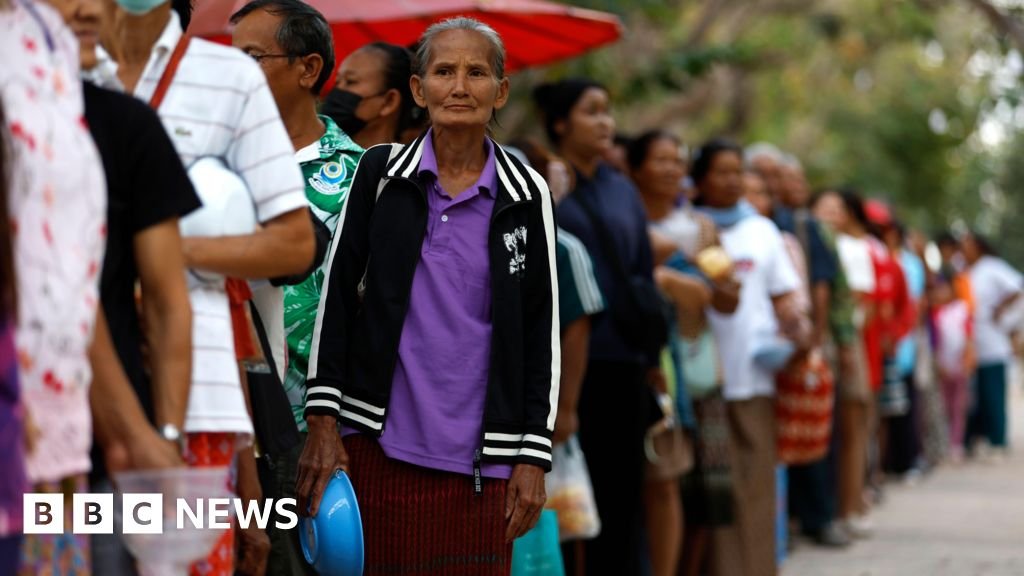
The recent clashes have resulted in at least 41 fatalities and have displaced nearly one million individuals. Both countries have pointed fingers at each other for reigniting hostilities.
Violence has escalated, with exchanges of artillery fire reported along the 800-kilometer border. Additionally, Thailand has conducted air strikes targeting Cambodian military positions.
At the recent Association of Southeast Asian Nations (ASEAN) meeting, Malaysia’s foreign minister urged all member states to treat this escalating situation with utmost urgency, warning of the broader implications for those affected by the conflict.
Noteworthy Historical Context
This latest conflict marks the most significant bout of violence between ASEAN members since the organization was formed in 1967, raising concerns about the credibility of the bloc in managing regional disputes.
Both the US and China have been involved in attempts to mediate a new ceasefire. Recently, China’s special envoy for Asian affairs visited Phnom Penh and reiterated China’s commitment to fostering dialogue between Thailand and Cambodia.
Chinese officials indicated that they had been following the situation closely and would provide updates on their mediation efforts when appropriate.
Historical Tensions
The discord between Thailand and Cambodia spans over a century, with episodes of violence occurring sporadically throughout the years. Tensions escalated significantly in May after a Cambodian soldier was killed during clashes. Following a dramatic increase in violence on July 24, with a Cambodian rocket strike on Thailand followed by air strikes, the region witnessed several days of fierce fighting that resulted in numerous casualties on both sides.
The subsequent ceasefire agreement, brokered by Malaysian Prime Minister Anwar Ibrahim and US President Trump, was fraught with complications, and ultimately, that ceasefire unraveled by December, with both sides attributing blame for the renewed hostilities.
- Talks between Thailand and Cambodia are set for next week to discuss a potential ceasefire.
- The recent clashes have led to significant fatalities and mass displacement.
- ASEAN members are calling for urgent interventions to mitigate the conflict.
- China and the US are actively involved in mediating efforts for peace between the two nations.