
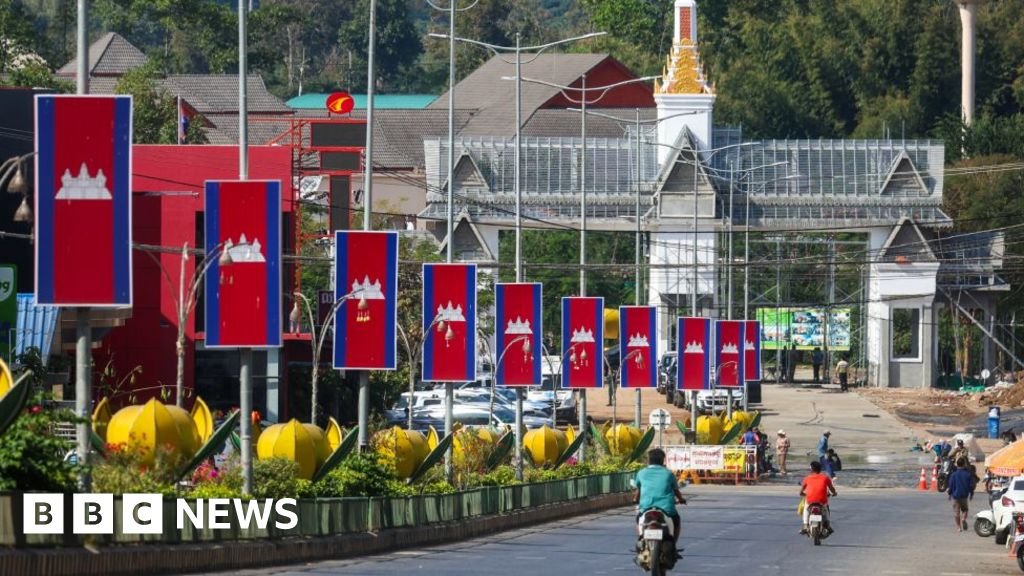
Thailand and Cambodia Agree to Immediate Ceasefire Amid Ongoing Tensions
In a significant development, Thailand and Cambodia have declared an immediate ceasefire following weeks of intense conflict that has resulted in numerous casualties and the displacement of nearly one million individuals. This resolution comes as a beacon of hope for civilians caught in the crossfire and is a crucial step towards restoring peace in the border regions.
Ceasefire Details and Humanitarian Focus
The ceasefire took effect at noon local time (05:00 GMT) on Saturday, as announced in a joint statement by the defense ministers of both countries. Under the terms of this agreement, current front lines will be maintained, allowing displaced residents to safely return to their homes. Furthermore, the ceasefire is expected to pave the way for the release of 18 Cambodian soldiers who have been held by Thailand since July, once the truce is upheld for 72 hours.
This breakthrough followed several days of diplomatic negotiations, influenced notably by the support from China and the United States. A focal point of the agreement is prioritizing the safe return of displaced individuals, alongside commitments to clear landmines in war-affected areas.
Reactions and Concerns
Thailand’s Defence Minister, Natthaphon Narkphanit, labeled this ceasefire as a test of the “other party’s sincerity.” He also emphasized that should the ceasefire be violated, Thailand reserves its right to self-defense as outlined by international law. This reflects the heightened sensitivity surrounding the enforcement of the truce, especially given the reluctance Thailand showed towards previous ceasefire attempts.
The latest peace talks mark a striking contrast to earlier agreements, which faltered amid fresh clashes leading to escalating violence. This past October, an unstable ceasefire, dubbed the “Kuala Lumpur Peace Accords,” was established after intervention from Malaysia and the United States. However, it was suspended by Thailand in November due to ongoing security concerns, including injuries incurred by Thai soldiers from landmines.
Background of the Conflict
The tensions between Thailand and Cambodia over their shared border have roots stretching back over a century, but they intensified significantly earlier this year after an incident involving a group of Cambodian women performing patriotic songs at a historically contested temple. The escalation was marked by bloodshed, including a soldier’s death in May, followed by five days of heavy fighting in July, resulting in heavy casualties on both sides.
The unraveling of peace agreements and the ongoing military confrontations have fueled a surge in nationalist sentiments within both nations, complicating the prospects for long-term reconciliation. Cambodia has particularly faced substantial losses, including military personnel and resources, following a series of Thai airstrikes, leaving the road to durable peace appearing more challenging than ever.
The Path Ahead
The success of the latest ceasefire will largely depend on the willpower of political leaders in both countries. While the humanitarian implications are clear, underlying grievances and national pride continue to present hurdles to achieving lasting peace. How effectively these nations can overcome their historical tensions and foster a spirit of cooperation will be paramount in the pursuit of stability in the region.
- Thailand and Cambodia have reached a ceasefire after weeks of conflict.
- The agreement allows for the safe return of displaced civilians and establishes terms for the release of detained soldiers.
- International diplomatic efforts, notably from China and the US, contributed to the breakthrough.
- The effectiveness of the ceasefire will depend on political commitment from both nations amidst longstanding grievances.