
The Ongoing Conflict in Mozambique: A Deepening Crisis
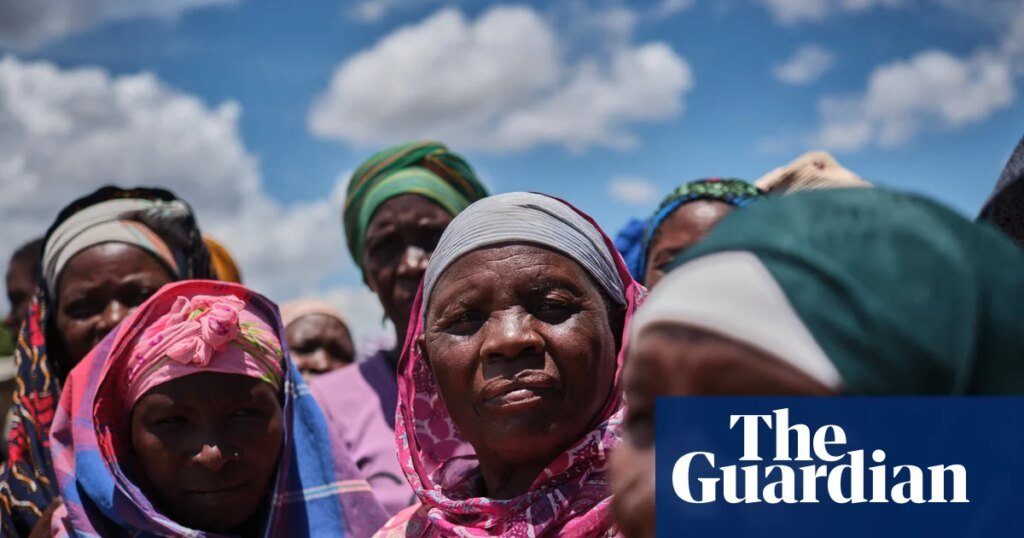
Since July, over 300,000 individuals have been forced to flee their homes due to an insurgency led by the Islamic State in Mozambique. This situation raises significant concerns about the government’s ability to develop an effective strategy to bring an end to the violence. While global attention is often drawn to conflicts in Ukraine, Gaza, and Sudan, the long-standing turmoil in Mozambique has largely been overlooked, resulting in the displacement of more than 1 million people, many relocating multiple times.
The Roots and Evolution of the Insurgency
The insurgency, which started in October 2017 in Cabo Delgado province, has its origins with militants affiliated with Islamic State-Mozambique. These groups made headlines in March 2021 following a deadly attack in Palma, where over 600 people lost their lives during the fighting in the town, including foreign workers involved in a massive liquefied natural gas (LNG) project.
International Involvement
In an attempt to contain the crisis, Rwanda dispatched around 1,000 troops to Cabo Delgado in July 2021. Although their presence initially stemmed the tide of violence, their effectiveness has waned. Current estimates suggest that Rwanda now maintains between 4,000 and 5,000 soldiers in Mozambique. Unfortunately, the assaults on civilians persist, with recent statistics from Acled indicating an unsettling rise in violence this year.
The Human Cost of Conflict
According to the International Organization for Migration, November alone saw the displacement of over 100,000 residents as military operations forced insurgents southward, resulting in unprecedented encroachments into Nampula province. By the end of November, the total figure of displaced individuals had surged to more than 350,000, a substantial increase from 240,000 a year earlier.
Civilian Casualties and Government Response
Researcher Tomás Queface from Acled has highlighted the audacity of the insurgents, noting that the abilities of Rwandan and Mozambican forces appear diminished. This year alone, Acled recorded 549 fatalities from 302 attacks, with civilians accounting for over half of these deaths. Alarmingly, civilian casualties reached 290, marking a 56% rise compared to the previous year. Since the insurgency began in 2017, nearly 2,800 civilians have lost their lives, with a significant portion attributed to actions by Islamic State forces.
Government Initiatives and Challenges Ahead
Daniel Chapo, Mozambique’s president who assumed office in January, recently signaled his desire to explore dialogue with the insurgents. However, both analysts and researchers express skepticism about the government’s commitment to meaningful negotiations. Borges Nhamirre from the Institute for Security Studies emphasizes that political rhetoric needs to be backed by concrete actions. After eight years, substantial dialogue initiatives remain absent.
The Key Objectives of Military Engagement
The military focus has largely centered around protecting the substantial $20 billion LNG project, with Total indicating plans to resume operations pending government approval. Nhamirre argues that the military’s aim appears to be more about securing economic interests rather than ensuring comprehensive human security, suggesting that genuine protection of civilians is still a distant goal.
Escalating Rights Violations and Crisis in Humanitarian Aid
The Islamic State’s activities are increasingly alarming, with reports of child abductions for forced labor, marriages, or recruitment. Research by Human Rights Watch highlighted a worrying spike in these kidnappings, particularly affecting vulnerable women and children among the displaced population.
Decreasing Humanitarian Support
As the conflict drags on, the support for displaced individuals is shrinking. Donor contributions have totaled $195 million this year, fulfilling only 55% of the estimated humanitarian requirements, a stark decline from $246 million in the previous year. Sebastián Traficante of Médecins Sans Frontières cited that many displaced persons are left living in dire conditions and without access to essential services, exacerbated by eight years of continuous conflict. Their primary desire is to return home and rebuild their lives.
Conclusion
The ongoing insurgency in Mozambique has created a complex and multifaceted crisis, with widespread implications for civilian safety, government legitimacy, and international humanitarian efforts. As the situation unfolds, it remains critical for the authorities to adopt a more comprehensive approach to ensure the safety and security of all affected populations.
Key Takeaways
- Over 300,000 people have been displaced in Mozambique due to ongoing insurgency since July.
- Violence against civilians continues to rise, with a significant increase in the civilian death toll this year.
- The government’s military operations appear more focused on economic interests than on ensuring human security.
- Humanitarian aid is dwindling, leaving displaced communities increasingly vulnerable and underserved.