
The Unfolding Crisis in Homs, Syria
The chaos in Homs, Syria, has drawn international attention as the epicenter of the regime’s brutal crackdown on dissent. This article explores the harrowing realities faced by the citizens trapped in the city and provides a firsthand account of the challenges endured by a CNN crew as they navigated the dangers to bring the story to light.
Survival Amidst Chaos
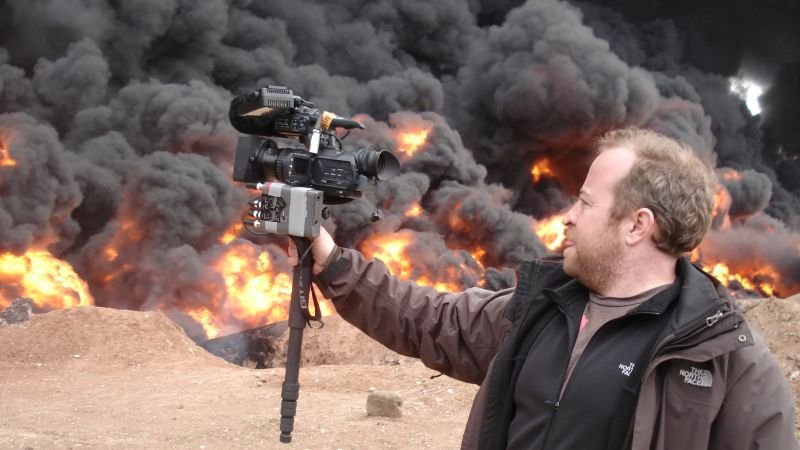
In Homs, dense black smoke clouds the sky, obscuring the sun as a young mother scampers to a basement shelter with her newborn baby. Explosions shatter the silence, as missiles and shells rain down on the streets, reflecting the urgency in a city torn apart by conflict.
A Dangerous Mission
To capture the reality of the situation in Homs, a CNN crew partnered with local activists to covertly enter the city, facing constant risks from sniper fire and military assaults. Their five-day journey to reach Homs was fraught with danger, involving jagged paths through farmland and hidden routes away from government control.
The Road to Homs
CNN correspondent Arwa Damon expressed apprehension about the assignment, stating, “I actually wrote a letter home the first time, to my family.” Accompanied by seasoned cameraman Neil Hallsworth and former special forces officer Tim Crockett, they managed the intricate logistics of their perilous journey.
The Daily Struggles
Once in the city, the crew found a landscape marked by destruction. Homs had transformed into a ghost town, with many buildings bearing signs of battle. Yet life persisted, as a child peered from a doorway and men cautiously traversed the streets.
Medical Challenges
The ongoing conflict has strained medical services tremendously. In the neighborhood of Baba Amr, two doctors tirelessly treat the wounded in makeshift clinics amidst constant bombings. Tragically, their efforts are compounded by the risk of direct attacks from the military, which sees these clinics as legitimate targets.
A Life at Stake
The dire living situation for many households comprised makeshift basements serving as sanctuaries against the bombardment. Civilians reside in fear, praying for safety with each explosion. During an encounter with the CNN crew, a young woman shared her poignant story: she had just given birth to her daughter, Fatimah, unaware if her husband would return with supplies after a month away.
The Weight of Trauma
The shelter housed around 300 individuals, each bearing grueling stories of loss and violence. This grim sense of unpredictability underscored how survival often felt reliant on luck rather than any control.
Danger Close
While operating out of an impromptu media center, the crew narrowly escaped when a rocket struck just above them. The intensity of the situation heightened further with reports that a ground offensive from the Syrian military was imminent, forcing CNN to extract their team before conditions deteriorated even more.
Reflection and Guilt
Damon reflected on the ethical complexities of their presence in Homs, expressing a shared sense of guilt among reporters. “It is fundamentally unfair… knowing that the people we’ve left behind’s suffering is going to continue.” The humanitarian crisis deepened as countless civilians faced violence, with reports of extrajudicial killings emerging as the military gained ground.
Conclusion
The situation in Homs is a stark reminder of the fierce battle for freedom amidst a regime’s oppressive might. The struggles of ordinary people, coupled with the harrowing experiences of journalists, highlight a conflict where hope seems increasingly fragile.
Key Takeaways
- Homs stands as a focal point in Syria’s uprising against the regime.
- The humanitarian crisis has led to dire conditions for civilians, with many living in makeshift shelters.
- Medical personnel are frequently targeted and operate under extreme risks to provide care.
- The ethical journey of journalists in conflict zones prompts necessary reflections on their role in covering such crises.