
Somalia Urges Israel to Revoke Recognition of Somaliland
In a significant diplomatic clash, Somalia has called on Israel to rescind its recent recognition of the breakaway region of Somaliland. The Somali government vehemently denounced this recognition as a form of “aggression” that is unacceptable and must not be tolerated.
Somaliland’s Recognition Sparks Outrage
Ali Omar, Somalia’s state minister for foreign affairs, discussed the situation in an interview with media outlets, asserting that the government intends to utilize all available diplomatic avenues to contest what it views as an act of “state aggression” and unwarranted interference in its domestic affairs. This sharp condemnation follows Israel’s historical move as the first nation to formally acknowledge Somaliland, igniting fierce disapproval throughout African and Arab nations and raising fears of broader geopolitical implications, particularly concerning the Palestinian situation.
A Brief Overview of Somaliland
Somaliland, which declared independence from Somalia in 1991 after a brutal civil war, has yet to receive recognition from any United Nations member state. This self-proclaimed republic has established its own monetary system, flag, and governance structures; however, territorial disputes continue to overshadow its sovereignty.
Somalia’s Firm Stand
“Such actions will not be acceptable to our government or our people, who are devoted to defending our territorial integrity,” Omar stressed. He urged the Israeli government to revert its actions and comply with international law.
Meanwhile, Somaliland’s President Abdirahman Mohamed Abdullahi, popularly known as Cirro, had hinted for weeks at imminent recognition from a foreign entity, though he had not specified which country. Billboards in Somaliland’s capital, Hargeisa, hinted at the forthcoming recognition, stirring excitement among the locals.
Underlying Geopolitical Interests
Omar attributed foreign involvement in the Horn of Africa to the region’s strategic significance. “The relevance of this area is not new; it remains vital for international trade,” he remarked.
Claims of Displacement
In a serious accusation, Omar suggested that Israel’s acknowledgment of Somaliland is a tactic to further the displacement of Palestinians from Gaza. “One of the factors at play is the ongoing displacement of Palestinians,” he explained, noting a widely recognized objective of Israel in this context.
Palestine’s foreign ministry echoed Somalia’s sentiments, highlighting that Israel had previously proposed Somaliland as a possible relocation site for Palestinians from Gaza, labeling it a critical issue.
Conflicting Perspectives
Responding to these accusations, Cirro defended the recognition from Israel, asserting that it wasn’t aimed at undermining any state or threatening regional peace.
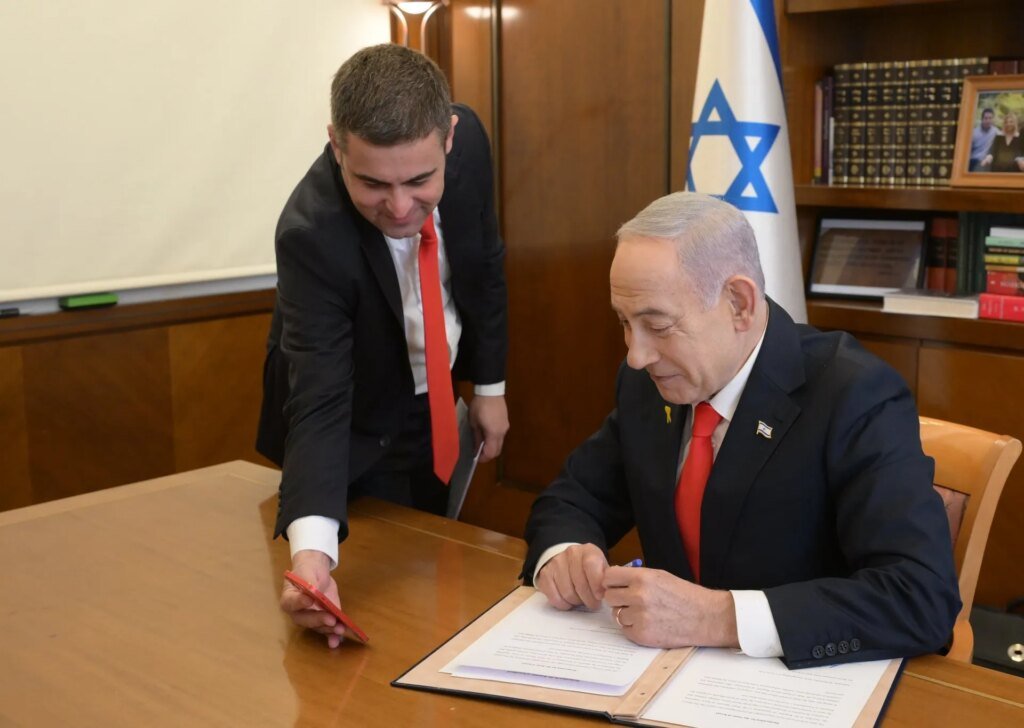
Shortly after Israeli Prime Minister Benjamin Netanyahu unveiled the recognition, Somalia’s prime minister condemned the act as a blatant attack on Somalia’s sovereignty, reiterating that Somaliland is an inseparable part of the country.
International Reactions
Netanyahu portrayed the diplomatic breakthrough with Somaliland as a progression in line with the Abraham Accords, asserting his commitment to advancing Somaliland’s status during his upcoming meeting with U.S. President Donald Trump. Netanyahu has also extended an invitation to Cirro to visit Israel, an offer that Cirro accepted.
Contrastingly, Trump has distanced himself from Netanyahu’s stance, expressing during a recent interview that he would not follow in Israel’s footsteps regarding the recognition.
Somalia’s Public Works Minister Ayub Ismail Yusuf welcomed Trump’s remarks, thanking the president for his support through social media channels. This shift in the U.S. stance comes after previous statements from Trump about addressing the issue surrounding Somaliland.
Frustration from the U.S.
The United States has expressed discontent with Somalia, indicating that Somali authorities have not made sufficient improvements in national security despite substantial foreign assistance. This has led to discussions about reevaluating ongoing funding for peacekeeping missions in the country.
Voices from the African Union and the Arab League
The chairperson of the African Union, Mahamoud Ali Youssouf, firmly rejected any initiative advocating for Somaliland’s recognition as an independent entity, warning of the dire implications it could set for regional stability. This stance aligns with the organization’s longstanding principle regarding the inviolability of borders established during a nation’s independence.
Similarly, Ahmed Aboul Gheit, Secretary-General of the Arab League, criticized what he characterized as an aggressive Israeli incursion into the sovereignty of an Arab and African nation. He pointed out that this recognition contravenes international law and undermines state sovereignty.
Public Celebration in Somaliland
Amid international criticisms, thousands celebrated in Hargeisa on Friday, viewing the recognition as a landmark event that could break nearly three decades of diplomatic isolation. The Israeli flag was prominently displayed as a symbol of this newfound recognition, reflecting the enthusiasm of many residents.
Historical Context
Somalia and Israel have a tumultuous relationship rooted in historical conflicts, particularly due to Israel’s alliance with Somalia’s regional rival, Ethiopia. During the Cold War, Israel provided military support to Ethiopia while Somalia aligned itself with Arab nations opposed to Israel. This historical backdrop laid the foundation for decades of strained relations.
Somaliland’s declaration of independence was fueled by a history of persecution under the regime of Mohamed Siad Barre, yet it has never received acknowledgment from Somalia.
Ongoing Communication
Earlier this month, Israeli Deputy Foreign Minister Sharren Haskel revealed existing communications with the Somali government regarding mutual concerns about Houthi influence in the region. However, Omar clarified that there are no formal ties between Somalia and Israel, reaffirming that Somalia’s stance on Israeli policies remains unchanged.
Conclusion
The recognition of Somaliland by Israel has sparked a significant backlash from Somalia and its allies, illustrating a complex web of historical grievances, geopolitical interests, and ongoing regional dynamics. As the discourse continues, it remains essential to monitor the implications of this recognition on both local and international fronts.
Key Takeaways
- Somalia has condemned Israel’s recognition of Somaliland, asserting it undermines its sovereignty.
- Ongoing accusations suggest Israel’s actions aim at the displacement of Palestinians.
- The situation highlights geopolitical interests in the Horn of Africa, a region crucial for international trade.
- International entities, including the African Union and Arab League, have criticized Israel’s actions.