
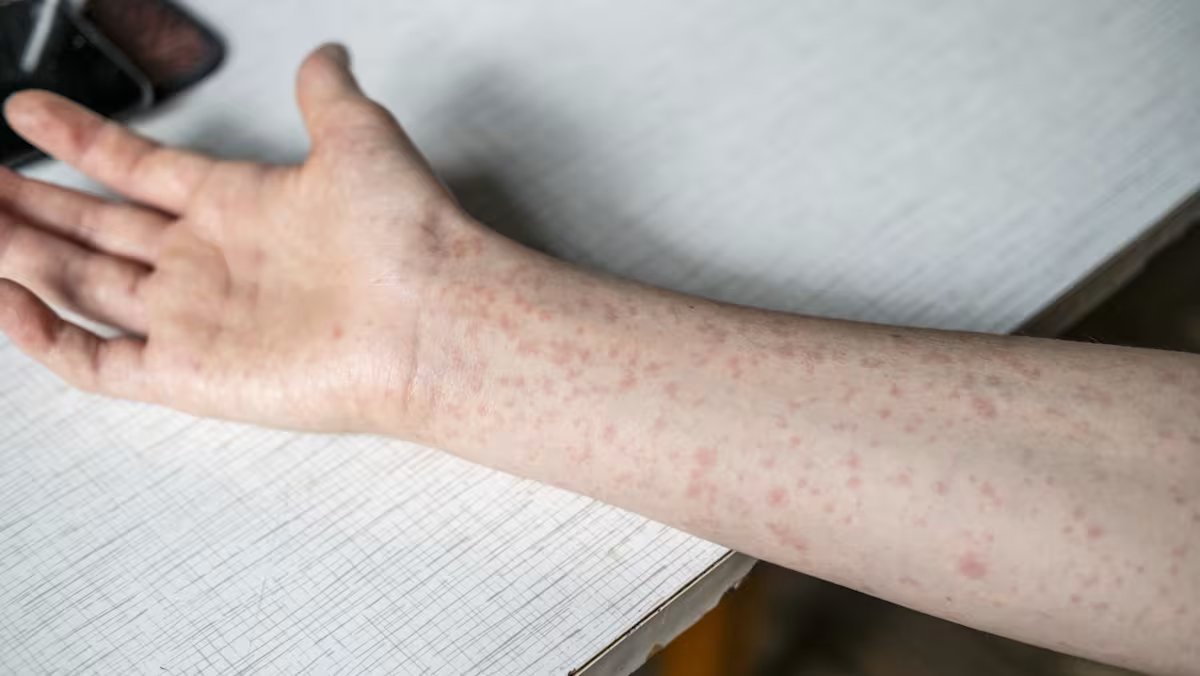
Measles Cases Surge in Singapore: What You Need to Know
Singapore is currently facing a rise in measles cases, with a total of twelve new infections reported recently, four of which belong to a known cluster. The current number of cases for the year has now reached 23, a concerning increase compared to 27 cases recorded in 2025. This article explores the details surrounding these outbreaks and the measures being taken to combat the spread of this contagious disease.
Latest Updates on Measles Infections
The new cases emerged between February 1 and March 24, as indicated by the Communicable Diseases Agency (CDA). All affected individuals reside in Singapore, with six reporting recent international travel. Alarmingly, out of the twelve new cases, eleven were not fully vaccinated. Among these, two infants, who are under the age of 12 months, had not yet qualified for the measles, mumps, and rubella (MMR) vaccine.
Cluster Analysis
According to CDA, eight of the twelve reported cases do not share genetic similarities, while the remaining four are part of a known cluster. Notably, there is currently no indication of widespread community transmission, and investigations into the epidemiology of the cases are still ongoing.
Stricter Public Health Measures Implemented
In response to the spike in infections, Singapore has implemented enhanced public health measures. As of April 1, mandatory isolation for confirmed measles cases, thorough contact tracing, and necessary quarantines for close contacts have been introduced. These steps aim to curb the future spread of the virus.
The CDA emphasized that Singapore remains vulnerable to imported cases, especially with rising measles rates in other countries. Therefore, the agency plans to introduce additional public health protocols as a new standard starting April 1, 2026.
New Guidelines for Testing and Isolation
Mandatory testing for all suspected measles cases will persist. However, starting in April, those suspected of being infected while in high-risk settings will not be allowed to return to their workplaces or educational institutions until they receive a negative test result for measles. Laboratory-confirmed cases will continue to require mandatory isolation, alongside further testing of close contacts.
Interestingly, unaffected close contacts, particularly those who are unvaccinated or lack evidence of immunity, won’t be quarantined from April 1. Instead, post-exposure prophylaxis will be offered to help lower the risk of infection and mitigate further transmission.
Protecting the Community
Additional measures will be placed on individuals working or studying in high-risk environments. This includes temporary remoteness from childcare centers and relocation to non-patient-facing positions within healthcare settings for a period of up to 21 days following any potential exposure.
The CDA reassures the public that while small clusters with limited spread may continue to occur due to the rise of measles globally, the risk of significant community outbreaks remains low. This is largely credited to the high vaccination rates and the herd immunity present among Singapore residents.
Constant monitoring of measles cases in Singapore will be carried out by the CDA, with plans to adjust public health measures as necessary to prevent community transmission and maintain herd immunity.
Stay Vigilant
Earlier this year, three genetically connected measles cases were detected without any known contact among them. After further investigation, the CDA found no evidence of additional linked cases or community transmission, yet they caution that vigilance is essential as Singapore remains susceptible to imported infections from countries with high measles rates.
- Twelve new measles cases reported in Singapore, totaling 23 for the year.
- Majority of new cases are unvaccinated, including two infants not eligible for the MMR vaccine.
- Enhanced health measures, including mandatory isolation and contact tracing, to take effect from April.
- Community risk remains low due to high vaccination rates and ongoing monitoring.