
The Controversy Surrounding Archaeologist Alexander Butyagin
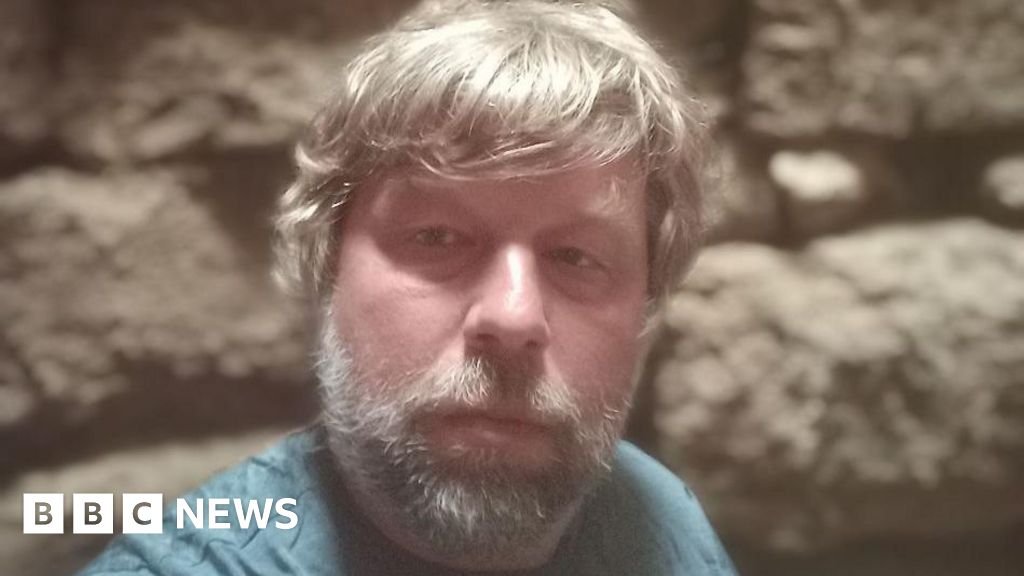
The saga of Alexander Butyagin, a Russian archaeologist facing extradition in Poland, has sparked a significant dialogue regarding the responsibilities of museums and professionals in light of geopolitical conflicts. This article delves into Butyagin’s ongoing legal challenges, the implications of his work in Crimea, and how the ethics of archaeology are navigating through the murky waters of international law and conflict.
Background on Alexander Butyagin
Alexander Butyagin has become a focal point of debate amid the backdrop of the ongoing war in Ukraine. Currently detained in Warsaw, he awaits a Polish court’s decision on whether he will be extradited to Ukraine, where he faces serious charges related to his archaeological work. Historically, European courts have hesitated to extradite Russians to Ukraine due to concerns about the European Convention on Human Rights.
The Debate Over His Work
As a prominent scholar at the Hermitage Museum in St. Petersburg, Butyagin has been leading excavation projects at Myrmekion in Crimea since 1999. This archaeological site, which dates back to the 6th Century BC when the Ancient Greeks settled in the region, has been a treasure trove of historical artifacts, including numerous coins from the era of Alexander the Great.
Supporters vs. Critics
While Butyagin’s supporters argue that his efforts have played a vital role in conserving Crimea’s ancient heritage, detractors accuse him of acting as a looter under the pretense of archaeology. Critics maintain that he is exploiting Russia’s occupation of Ukraine to pursue his own interests.
“Butyagin violated the Hague Convention, and all his problems stem from that,” says Evelina Kravchenko, a senior researcher at the Institute of Archaeology of the National Academy of Sciences of Ukraine.
The Legal Framework
According to the 2nd Protocol of the Hague Convention on protecting cultural property during armed conflict, occupying authorities are prohibited from conducting archaeological excavations without special exemptions. Both Poland and Ukraine abide by this protocol, whereas Russia does not.
Ukrainian authorities have charged Butyagin with illegal excavations and the “partial destruction” of archaeological sites. Despite these accusations, the Hermitage Museum maintains that Butyagin’s work complies with international laws, asserting that he has adhered to every possible legal standard given the circumstances.
Contentions About Looting
Various Ukrainian sources have accused Butyagin of looting artifacts and transferring them to Russia. However, these allegations are not part of the formal case against him. The Hermitage and Butyagin have insisted that all findings remain in Crimea and are housed in the Eastern Crimean Museum, claiming that any temporary relocations were solely for restoration or exhibition purposes.
The Complexities of Extradition
The situation has been further complicated by European courts’ reluctance to extradite Russian nationals to Ukraine. Experts caution that even if the Polish court finds adequate grounds for extradition, there could still be reservations about proceeding, particularly given previous rulings against extradition based on concerns of political persecution and unfair treatment.
Responsibility Versus Individual Action
Some scholars argue that Butyagin should not bear the sole responsibility for the excavations in Crimea; rather, they contend that the Russian state plays a more significant role in these activities. A senior Hermitage employee pointed out that archaeologists must navigate permissions and funding through official channels, often at the mercy of state directives.
Support Amid Controversy
Interestingly, Butyagin has garnered support from various quarters, including some Russians who oppose Putin’s regime. They argue that the allegations against him are unfounded, while others claim that without the work of Russian archaeologists, historical artifacts may have fallen into the hands of looters.
Yet, experts like criminologist Samuel Andrew Hardy caution that such arguments do not ethically justify the actions taken by Butyagin and his contemporaries. He emphasizes that official excavations do not necessarily prevent illicit digs, urging for a more responsible approach to cultural heritage amidst conflicts.
Conclusion
The situation surrounding Alexander Butyagin serves as a microcosm of broader questions regarding cultural heritage and ethical practices amid war. As courts navigate the complexities of international law, the case highlights the tension between preserving history and the moral implications of doing so under occupation.
- Butyagin is facing extradition to Ukraine over alleged illegal excavations in Crimea.
- His work has divided opinion on whether it aids in preservation or amounts to looting.
- The legal frameworks governing archaeological work during armed conflict remain complex and contentious.
- Public support for Butyagin illustrates the differing perspectives on his actions amid ongoing geopolitical strife.