
Russia Takes a Hardline Stance Amid Ukraine Conflict
In a recent escalation in the Ukraine conflict, Russia has announced a tougher approach in discussions aimed at ending hostilities. This shift follows claims by Moscow that Ukraine attempted to launch an attack on a presidential residence, allegations that Ukraine has vehemently denied, labeling them as fabrications designed to justify further military action.
The Allegations and Responses
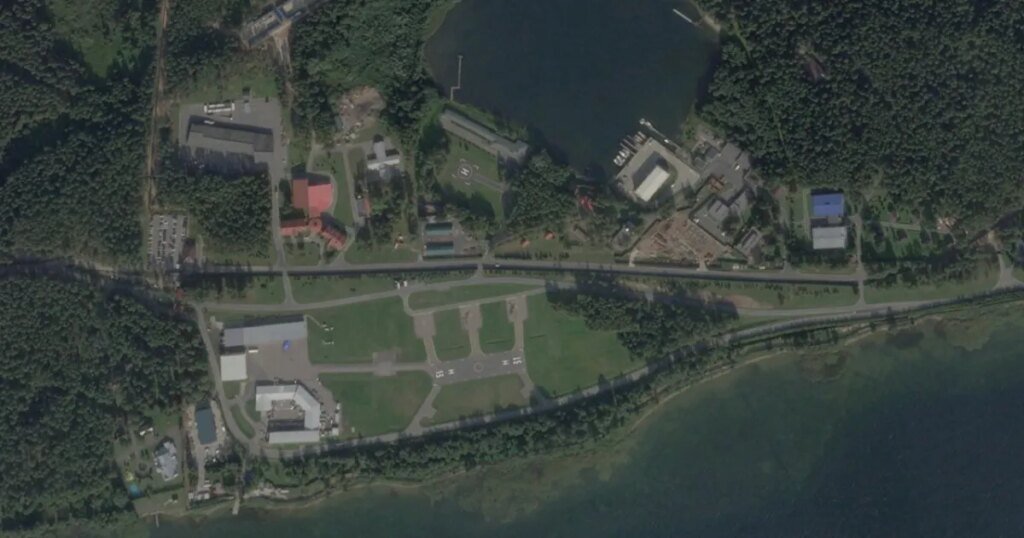
On Tuesday, Kremlin spokesperson Dmitry Peskov addressed journalists, asserting that a drone attack targeting President Vladimir Putin’s residence in Novgorod—a region situated in northwestern Russia—was orchestrated to sabotage ongoing diplomatic efforts. Peskov described this purported act as “terrorism” aimed at undermining the negotiation process.
“This terrorist action is intended to collapse the negotiation process,” Peskov stated, indicating that Russia’s military was prepared to respond in due course. He added, “The diplomatic consequence will be to toughen the negotiating position of the Russian Federation.”
Ukraine’s Denial
Ukraine has categorically rejected the claims, insisting that no such attack occurred and labeling the Russian assertions as “false claims.” Ukrainian Minister of Foreign Affairs Andrii Sybiha expressed skepticism over Russia’s lack of evidence to support its assertions, stating, “They won’t. Because there’s none. No such attack happened.”
Sybiha emphasized that Russia’s history is rife with misleading statements, remarking that such tactics have long been their “signature.” He called on the international community to critically assess the validity of Russia’s claims. Furthermore, he expressed disappointment at comments from nations like the United Arab Emirates, India, and Pakistan, which he felt echoed Moscow’s narrative.
Evidence and Political Reactions
When reporters inquired whether concrete evidence of the alleged drone attack existed, Peskov noted that while air defenses had indeed intercepted the drones, any inquiries about wreckage should be directed to the Ministry of Defence. He criticized the idea that Ukraine and Western media were questioning the incident as “insane.”
As of now, no definitive evidence has been presented by Russia. The nation’s Defence Ministry merely issued a statement indicating that 91 drones were downed while en route to Putin’s residence, which is located approximately 360 kilometers (225 miles) north of Moscow.
Continued Peace Efforts
Amid the disputes surrounding the alleged attack, critical discussions among European and Canadian leaders have taken place to further advance the peace negotiations. German Chancellor Friedrich Merz shared on social media post-meeting that the group was “moving the peace process forward,” stressing that “transparency and honesty are now required from everyone—including Russia.”
In a subsequent government meeting, Polish Prime Minister Donald Tusk declared his belief that peace in Ukraine could be realized in just weeks. “Peace is on the horizon. There is no doubt that recent developments provide grounds for hope that this war can end relatively swiftly, but it remains just a hope, not guaranteed,” Tusk expressed. He underlined the necessity for unity as decisions loom regarding Ukraine’s future, especially in light of security assurances from the United States.
The primary sticking point in the negotiations remains Russia’s demand for Ukrainian forces to withdraw from parts of the Donbas region, which have remained unoccupied despite nearly four years of conflict. On the other hand, Ukraine is seeking a cessation of hostilities along existing front lines with U.S. proposals for a free economic zone contingent on troop withdrawal.
Continued Attacks on Ukrainian Infrastructure
As diplomatic conversations unfold, Russia has intensified attacks on Ukraine’s critical infrastructure. Recently, Kyiv reported Russian strikes on facilities in the Odesa region, resulting in damage to a civilian ship and other important structures in the Black Sea ports of Pivdennyi and Chornomorsk. Deputy Prime Minister Oleksii Kuleba indicated in a Telegram post that a civilian vessel, flagged from Panama and carrying grain, sustained damage during the assault, leading to one injury.
Kuleba condemned these strikes, labeling them as yet another deliberate attack on vital civilian port infrastructure, which seeks to disrupt logistics and complicate shipping operations. However, he noted that both ports continued to function despite the assaults.
Additionally, Ukrainian authorities have taken preventative measures, ordering the evacuation of several hundred residents from 14 settlements in the northern Chernihiv region due to ongoing Russian shelling.
Conclusion
The situation between Russia and Ukraine remains volatile as accusations and counterclaims continue to disrupt peace efforts. As diplomatic talks progress, the international community watches closely to see if a resolution can be brought to this protracted conflict.
- Russia claims Ukraine attempted an attack on a presidential residence.
- Ukraine vehemently denies the allegations, citing a lack of evidence.
- Key negotiations are ongoing among European leaders to foster a peace process.
- Recent Russian attacks on Ukraine’s infrastructure highlight the persistent tensions in the region.