
Sidus Space Soars After Winning Major Missile Defense Contract
Shares of Sidus Space have experienced a dramatic surge, increasing by 200% in December alone. This impressive spike follows the company’s announcement that it has been selected as a recipient of the U.S. Missile Defense Agency’s SHIELD program, a significant contract pool amounting to a total of $151 billion (€128.35 billion) as part of the broader Golden Dome missile defense initiative.
Sidus Space’s Share Price Surge
The stock price of Sidus Space has shown remarkable growth throughout December, climbing from approximately $0.74 (€0.63) in the first week to over $2.20 (€1.87) by the month’s end. This substantial increase reflects investor enthusiasm regarding potential long-term business opportunities, propelling the stock higher in recent trading sessions.
Understanding the Contract with MDA
Sidus Space’s selection is part of the Missile Defense Agency’s (MDA) Scalable Homeland Innovative Enterprise Layered Defence (SHIELD) program, designed to facilitate the acquisition of advanced missile defense technologies across various domains, including space, air, and cyber threats.
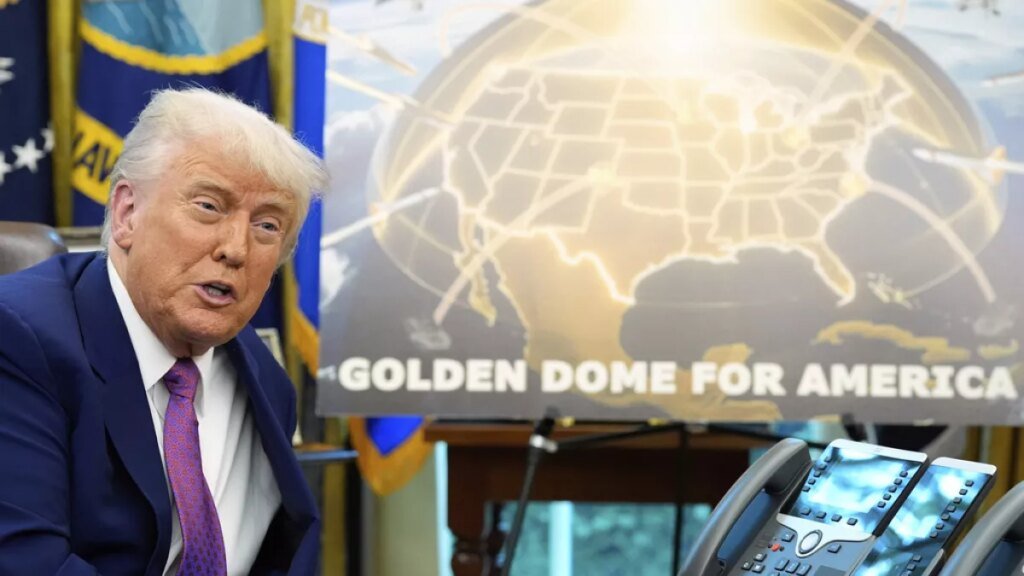
This contract is an integral component of the Pentagon’s strategic initiative known as the Golden Dome, which aims to develop a comprehensive national missile defense system capable of detecting and intercepting different types of threats, ranging from ballistic to hypersonic and cruise missiles. This ambitious vision is sometimes likened to Israel’s Iron Dome but is designed to extend protection across the entire United States.
What is an IDIQ Contract?
The award received by Sidus Space is classified as an indefinite-delivery/indefinite-quantity (IDIQ) contract. This means it is not a fixed contract with a specific amount of work but rather a flexible contracting mechanism allowing multiple firms to compete for task orders within the established ceiling of $151 billion (€128.35 billion).
Being part of an IDIQ allows Sidus to bid on upcoming task orders as their requirements are defined by the MDA, although it does not guarantee any immediate revenue.
Why This Matters to Investors
For a company like Sidus, which has a comparatively modest market capitalization, inclusion in such a substantial defense contract serves as a significant endorsement of its technology. It also opens doors to potentially lucrative future projects.
The SHIELD program emphasizes the rapid integration of artificial intelligence, machine learning, and digital engineering in defense systems—areas where Sidus has been actively positioning itself. Recently, the company also concluded a new share offering, generating additional capital that investors often interpret as a strategy to foster growth and enhance capabilities potentially leading to future success under the SHIELD program.
Context in the Broader Defense Landscape
The rise in Sidus’s stock price is part of a broader trend of growth within the defense sector. On December 26, China imposed sanctions on 20 U.S. defense companies and 10 executives in reaction to a major U.S. arms sale to Taiwan. This list includes prominent contractors such as Northrop Grumman and Boeing’s defense division.
While these sanctions are largely symbolic—due to the limited impact on U.S. defense business—the situation underscores increasing geopolitical tensions, which coincides with a rise in U.S. defense stocks across the board.
Conclusion
The recent surge in Sidus Space’s stock illustrates the significant impact that major defense contracts can have on smaller companies. With the potential for new projects under the SHIELD initiative, Sidus Space is strategically positioned for future growth in a rapidly evolving defense landscape.
Key Takeaways
- Sidus Space’s stock rose by 200% in December following a major contract award.
- The contract is part of the MDA’s SHIELD program, focused on innovative missile defense technologies.
- IDIQ contracts provide flexibility for bidding on future projects without guaranteed revenue.
- Broader defense market trends show increased activity and investor interest amid rising geopolitical tensions.