
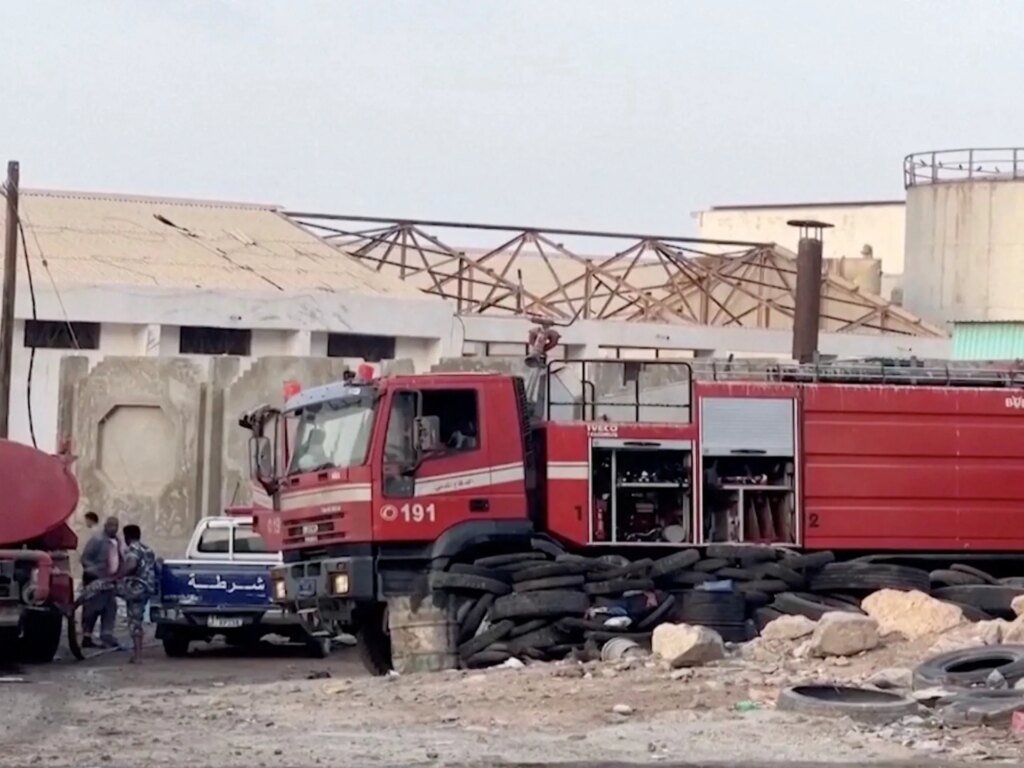
Tensions Rise in Yemen: Saudi Arabia and UAE Clash Over Mukalla Port
The recent strike by Saudi Arabia on Mukalla port has escalated tensions with its partner in the Arab coalition, the United Arab Emirates (UAE). This incident highlights the growing rift between the two allies, vital players in the ongoing Yemeni conflict.
The Port Incident
Major-General Turki al-Maliki, a spokesperson for the coalition, reported that two vessels docked at Mukalla, transporting over 80 vehicles along with containers filled with weapons and ammunition intended for the Southern Transitional Council (STC). These movements occurred without prior notification to Saudi Arabia or the internationally recognized Yemeni government.
Deepening Divisions
This incident marks a peak in the already strained relationship between Saudi Arabia and the UAE in Yemen. The Yemeni government has largely lost control over recent developments amidst escalating military tensions, particularly in Hadramout, where Mukalla is situated. The Presidential Leadership Council (PLC) is now split into factions, each showing loyalty to one of the conflicting parties.
Background of the Conflict
Saudi Arabia and the UAE are strategic partners in the Arab coalition formed to combat the Houthi forces, who seized control of Yemen’s capital, Sanaa, in 2015. Tensions between the two allies have gradually intensified since the STC emerged in 2017 as a separatist entity pursuing an independent state in southern Yemen.
The Impact of STC Actions
In December, STC forces crossed significant thresholds by taking control of key southern governorates, including Hadramout and al-Mahra. This aggressive move raised alarms in Riyadh, viewing it as a direct threat to national security and regional stability.
Economic Considerations
Hadramout is strategically important due to its oil and gas resources, and it also serves as a crucial border area for trade and security with Saudi Arabia. As the political landscape in Yemen shifts, the latest fallout between Saudi Arabia and the UAE is expected to have significant ramifications for the nation’s economy and military situation.
Political Fallout
The Iranian-backed Houthis, who have maintained control in the north, could potentially capitalize on this division, as the legitimate Yemeni government and the Saudi-led coalition face increasing challenges. The internal rift is evident within the PLC, which is already divided along pro-Saudi and pro-UAE lines.
Camps within the PLC
The PLC consists of two main factions. One faction is led by Rashad al-Alimi, the PLC president, and includes figures like Sultan al-Arada and Abdullah al-Alimi Bawazir. The opposing faction, guided by Aidarus al-Zoubaidi of the STC, features members like Abdul Rahman al-Mahrami and Tariq Mohammed Saleh.
Statements and Reactions
Following the Saudi action against the ships supplying the STC, both groups released contrasting statements regarding calls for the UAE’s withdrawal from Yemen. This divergence underscores the complex interplay of interests and the nature of Yemen as a proxy battleground.
Looking Ahead
As the political turmoil escalates, the legitimate government faces the prospect of internal strife among various armed factions. This shift distracts from addressing the Houthi challenge, putting Yemen on the verge of further instability.
Conclusion
The situation in Yemen is fraught with challenges, as the divisions between Saudi Arabia and the UAE could lead to a reevaluation of strategies against the Houthis. In light of the worsening dynamics, the future stability of Yemen hangs in the balance.
Key Takeaways
- Saudi Arabia’s strike on Mukalla port has intensified tensions with the UAE.
- The split in Yemeni politics is influenced by external powers, threatening national stability.
- Hadramout’s resources make it a crucial point in the conflict for both Saudi Arabia and the UAE.
- The ongoing divisions within the PLC could lead to more internal conflict, complicating efforts against the Houthis.