
NATO’s Increased Defense Spending: A Shift in Global Security Dynamics
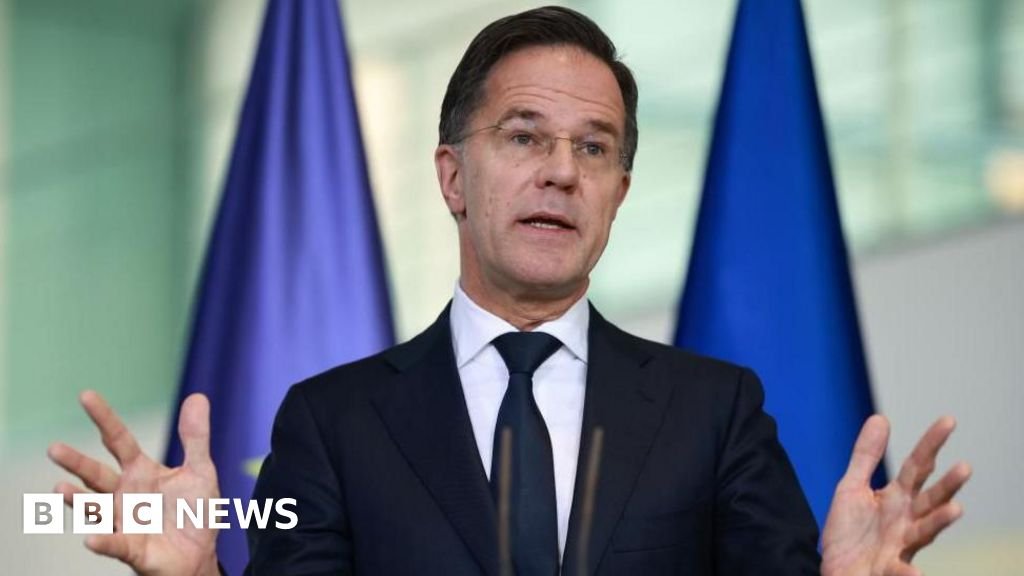
The recent commitment from NATO countries to allocate 5% of their economic output toward defense has been described as Donald Trump’s “biggest foreign policy achievement.” NATO’s Secretary General, Mark Rutte, emphasized that under Trump’s influence, the alliance has become “stronger than ever,” and highlighted the positive implications this has for collective defense, NATO, and Ukraine.
The Push for Increased Defense Budgets
Trump’s vocal criticism of European allies for their insufficient defense spending has sparked significant changes within NATO. He went so far as to threaten the withdrawal of U.S. protection if these nations did not step up their contributions. This renewed focus comes at a time when there are increasing concerns about potential Russian aggression, with NATO’s leaders warning that an attack on allied nations could be forthcoming within the next five years.
Russia’s Response and the Situation in Ukraine
In response to NATO’s warnings, Russian President Vladimir Putin has dismissed such concerns as “hysteria.” In a recent address to defense officials in Moscow, he stated, “It’s pure nonsense to suggest there is any Russian threat to European countries.” However, since Russia’s full-scale invasion of Ukraine in February 2022, the geopolitical landscape has drastically changed, with Russia annexing four Ukrainian regions: Donetsk, Luhansk, Zaporizhzhia, and Kherson, in addition to Crimea, which it seized in 2014.
Putin has asserted that the objectives of what he calls his “special military operation” will ultimately be achieved, claiming to prefer a diplomatic resolution. Nevertheless, he warned that failure to negotiate meaningfully could result in military action to reclaim what he terms “historical lands.” Mark Rutte characterized Putin’s ambitions as “insane,” especially given the substantial human cost of his actions.
The Role of the U.S. in Peace Negotiations
Amid these tensions, U.S. officials have engaged in intensive discussions with Ukrainian representatives regarding a potential peace plan suggested by Trump. The initial draft raised concerns as it appeared to favor Russian interests, proposing territorial concessions in Eastern Ukraine while ensuring security guarantees for Kyiv to prevent future aggression.
According to U.S. officials, Washington is prepared to offer Ukraine security assurances similar to NATO’s Article 5 mutual defense agreement. Rutte reiterated that these guarantees would deter any future attempts by Russia to attack Ukraine, stating, “Our reaction will be devastating, and that’s what we are currently discussing.”
European Military Support for Ukraine
Leaders from European nations who met with Ukrainian President Volodymyr Zelensky in Berlin recently expressed intentions to form a European-led initiative aimed at rejuvenating Ukraine’s military capabilities, defending its airspace, and ensuring maritime safety operations within the region.
Putin has countered these developments by asserting that while Russia does not seek conflict with Europe, it is prepared for confrontation if necessary—a sentiment reminiscent of assurances given by Moscow prior to the invasion of Ukraine.
The Economic Dimensions of the Conflict
As the war approaches its fourth anniversary, Kyiv’s allies are considering strategies to amplify economic pressure on Moscow. Discussions among EU leaders have focused on leveraging frozen Russian assets to support Ukraine’s military and economic needs—an agenda item for the upcoming Brussels summit. Zelensky has urged EU leaders to display resolve, emphasizing the importance of demonstrating that Russia’s continued aggression would be a futile endeavor.
For more than three years, Russia’s economy has been operating under wartime conditions, ramping up the production of drones, missiles, and other military supplies. A recent report indicated that Russia is producing large quantities of military equipment monthly, far outpacing most Western nations in this capability.
In response, some NATO countries, including France and Germany, have initiated steps to reinstate voluntary military service for young citizens, highlighting the evolving military landscape.
Conclusion
NATO’s renewed commitment to military spending represents a significant shift in the global security paradigm. As Russia asserts its ambitions, the alliance’s strategy to bolster defense readiness is more crucial than ever. The interplay between diplomacy and military preparedness will shape the future of European security.
- NATO countries have pledged 5% of their economic output to defense, influenced by Trump’s leadership.
- Concerns about a potential Russian attack on allies have intensified, with a warning from NATO chief.
- The U.S. is pushing for peace negotiations while offering security guarantees to Ukraine.
- European nations are organizing to strengthen Ukraine’s military amidst ongoing tensions with Russia.