
Escalating Tensions in Eastern Europe: Poland Responds to Russian Attacks
The recent military actions have sent shockwaves throughout Eastern Europe. In response to the heightened threat from Russian long-range aviation, Poland has heightened its military readiness, scrambling fighter jets and putting its air defense systems on alert. This proactive measure underscores the ongoing volatility in the region.
Poland’s Military Mobilization
The Operational Command of Poland announced that military operations were initiated to secure Polish airspace. Fortunately, they reported no violations occurred, leading to a lifting of the alert status shortly after.
Political Reactions
Polish Prime Minister Donald Tusk emphasized the discrepancy between diplomatic discussions and Russia’s aggressive tactics. He expressed concerns regarding the continued attacks on Ukraine, noting that these strikes highlight the persistent threat despite previous negotiations. Tusk stated on social media that, “Contrary to expectations, and despite Zelenskyy’s willingness to compromise, Russia has struck again at Kyiv’s civilian areas.”
Communications with European Leaders
As tensions rise, Tusk plans to engage in discussions with leaders from Ukraine, Germany, France, the U.K., Italy, and the European Union about potential pathways to peace. These talks are critical as the situation evolves.
Zelenskyy’s Diplomatic Journey
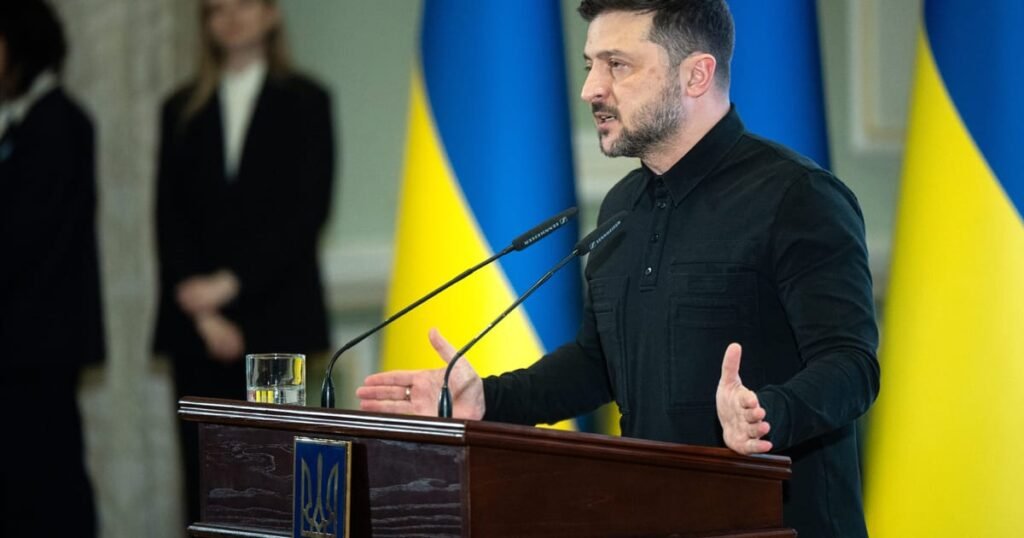
While these airstrikes unfolded, Ukrainian President Volodymyr Zelenskyy was en route to North America, stopping in Canada before heading to Florida for discussions with former President Trump. Zelenskyy informed reporters that he and Canadian Prime Minister Mark Carney would hold online meetings with European leaders to discuss current issues and share updates on the proceedings.
Security Concerns and Future Talks
Zelenskyy underscored the necessity of robust security assurances for Ukraine, labeling it as a primary consideration in their peace talks. He also pointed out key topics that must be addressed, including control over the Donbas region and the management of the Zaporizhzhia nuclear power plant.
Key Takeaways
- Poland increased its military readiness in response to Russian military activity.
- Polish leadership highlights the gap between diplomacy and military actions by Russia.
- Zelenskyy is actively engaging with international leaders to spur discussions on security guarantees.
- Key issues in ongoing peace talks include territorial integrity and nuclear safety.
Conclusion
As tensions escalate in Eastern Europe, the response from nations like Poland and Ukraine reflects a growing concern about security and stability in the region. Ongoing dialogues among international leaders are crucial as they explore avenues for peace amid these challenging circumstances.