
Youth Protest Movement in South Korea: A New Wave of Right-Wing Support
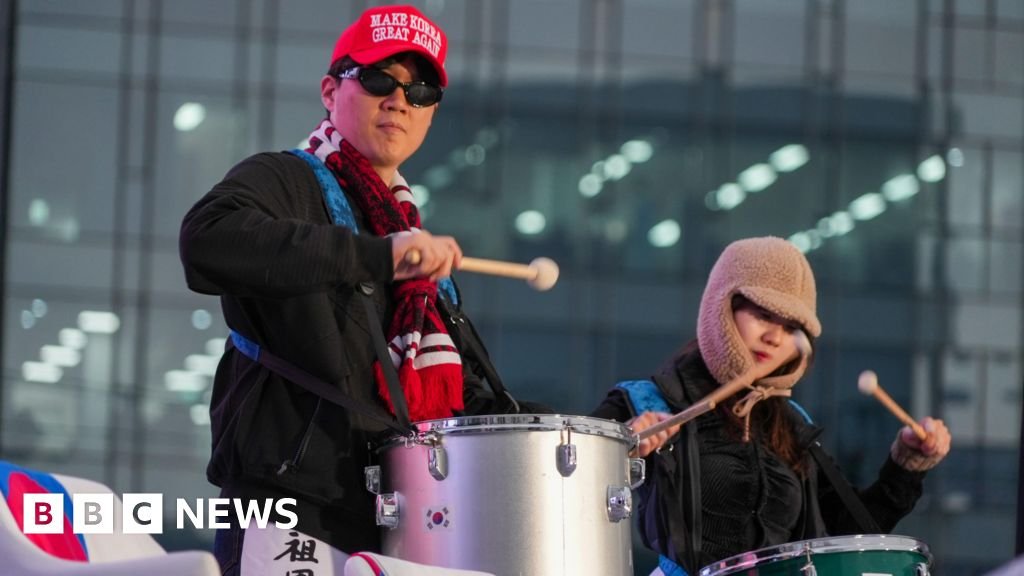
In recent weeks, a significant youth protest movement has emerged in South Korea, driven by disillusionment with the current government and a desire for change. This movement is particularly noteworthy as it draws inspiration from right-wing ideologies, mirroring trends seen in other parts of the world. At the center of this mobilization is the group Freedom University, which has galvanized thousands of young people around a mix of nationalism and anti-government sentiment, often reflected in their chants and banners.
Rallying for a Controversial Cause
Long lines of supporters have gathered at rallies for the imprisoned former President Yoon Suk Yeol, showing overwhelming enthusiasm despite his absence from public life. Although Yoon is currently facing serious charges, including insurrection, he has become an unexpected figure of support for the younger generation disillusioned with what they perceive as ineffective, left-leaning governance. The paradox of a leader who was unpopular during his presidency now serving as a symbol of resistance underscores the complexities of the current political landscape.
Freedom University’s leader, 24-year-old Park Joon-young, articulates the movement’s core belief: young South Koreans deserve better from their government. The group opposes the established political order, describing it as corrupt and ineffective. In a notable reaction to dwindling parliamentary power, Yoon’s attempted declaration of martial law—a move quickly thwarted by public pushback—has added another layer to his controversial legacy.
Inspired by a Global Movement
Attendees at rallies express sentiments that echo right-wing movements across the globe, notably the “Make America Great Again” slogan. Many of them feel abandoned by the current political system, and the Freedom University organization utilizes social media platforms to amplify their message, reaching broader audiences. The group’s recruitment efforts have effectively resonated with young people who feel their needs are not being addressed by the existing political parties.
Younger supporters often recount how they initially gravitated toward right-wing ideologies as a reaction to perceived leftist dominance in cultural discussions, particularly around issues such as feminism. This push toward the right is seen not just as a political shift but as a platform for marginalized voices to be heard without fear of cancellation.
Addressing National Grievances
The economic challenges facing South Korea sharply influence the youth’s political inclinations. Surveys indicate that a significant number of young people believe the economy is faltering, with high unemployment and low home ownership rates exacerbating their frustrations. As opportunities dry up, discontent grows amidst protests against a government they claim has failed to uphold its promises, particularly around housing and job security.
Amidst this backdrop, the narrative promoted by Freedom University has found fertile ground. The group capitalizes on societal tensions, particularly toward Chinese immigrants, painting them as scapegoats in rhetoric aimed at rallying nationalistic fervor. While such claims have provoked rebuke from authorities, the xenophobic undertones resonate with a public that grapples with deep-seated anxieties about the future.
Conclusion
The youth movement in South Korea isn’t merely a passing phase; it represents a significant shift in the country’s political landscape. As young people express their frustrations and call for change, movements like Freedom University gain traction and challenge the traditional power dynamics. As more youths become disillusioned, the potential for deeper divisions within South Korean society looms large, leaving many wondering where the future may lead.
- A new youth movement in South Korea is gaining momentum, inspired by right-wing ideologies.
- The imprisoned former President Yoon Suk Yeol has emerged as a controversial symbol of resistance among young protesters.
- Freedom University mobilizes discontented youths, focusing on nationalism and anti-government sentiment.
- Economic challenges heighten frustrations, and the movement reflects a significant shift in the political landscape.