
New Oil Shipment Brings Hope to Cuba Amid Energy Crisis
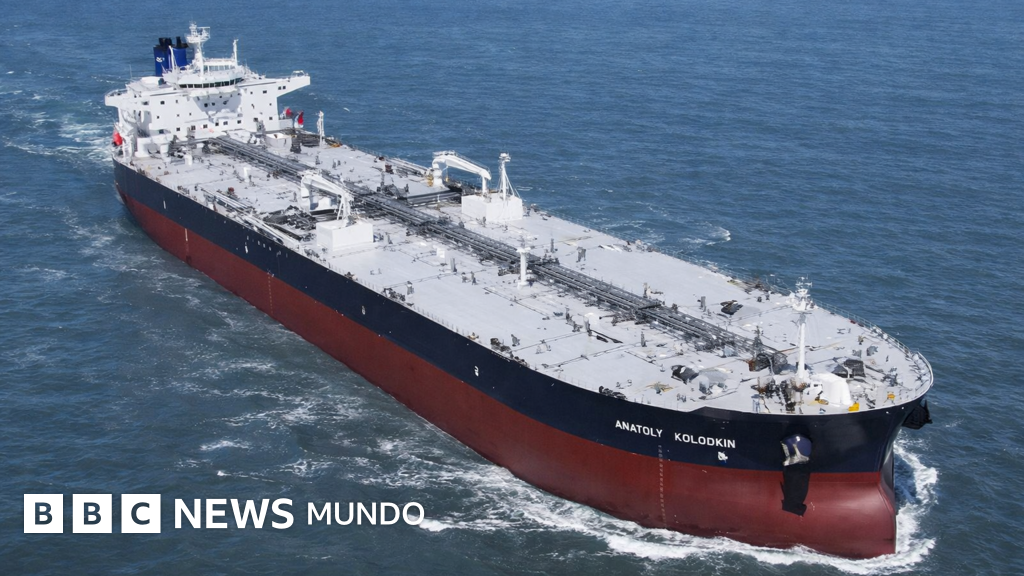
Cuba is currently facing a severe energy crisis characterized by daily blackouts and fuel shortages. Recently, a Russian oil tanker named Anatoly Kolodkin has arrived in Cuba, bringing with it over 700,000 barrels of crude oil. This marks the first oil shipment to the island in several weeks, providing a glimmer of hope for a nation struggling to meet its energy needs.
Background of the Crisis
Cuba typically produces about 40,000 barrels of oil daily but needs approximately 100,000 barrels to function normally. The island has faced significant challenges due to economic sanctions from the United States, which have effectively blocked oil shipments since January. Previously, Cuba relied on allies like Venezuela and Mexico for supplies, but these channels have been disrupted by geopolitical pressures.
The Shipment Details
Upon its arrival at the Matanzas terminal, the Anatoly Kolodkin is set to discharge crude oil specifically from the Urals region, known for its blend of heavier and lighter oils. This shipment is vital as it contains about 100,000 tons of medium-density crude with relatively high sulfur content.
Quality and Economic Value
According to energy expert Jorge Piñón from the University of Texas at Austin, this shipment is characterized by its high quality, being one of the best types available from Russia. The estimated value of this shipment is around US$84 million. However, Piñón cautions that its contribution to alleviating the energy crisis will be minimal and temporary.
Challenges ahead
One of the main hurdles is that the oil won’t be ready for immediate use. After being unloaded, it will take several days to transport the oil to the Havana refinery, where it will undergo processing. This entire process, including refining and distribution, could take anywhere from 20 to 30 days before the fuel becomes available to the general public.
Limitations of Refining Capacity
Cuba’s aging refining infrastructure, notably the Havana refinery built in the 1950s, is inefficient and struggles to meet the country’s demands. Piñón estimates that the refinery may only produce between 200,000 to 250,000 barrels of diesel from this shipment, not nearly enough to satisfy the needs of the entire island.
The Immediate Impact
Once the diesel is ready, the government will prioritize its distribution to critical sectors, such as transportation and healthcare, but the relief will be short-lived. Experts note that even under optimal conditions, the impact will be temporary, with significant portions of the fuel potentially reserved for governmental reserves in case of extreme emergencies.
Future Oil Shipments?
The arrival of the Anatoly Kolodkin opens the door for future oil shipments to Cuba, although no new vessels have been detected on their way. The uncertainty surrounding U.S. responses and Cuba’s financial capability to import oil further complicates matters. Despite these challenges, there remains hope that other nations may provide humanitarian assistance in the form of oil.
The Russian government has characterized the shipment as a gesture of political solidarity, reinforcing its commitment to assisting Cuba during these trying times.
Conclusion
In summary, while the arrival of the Anatoly Kolodkin signifies a potential lifeline for Cuba facing an energy crisis, experts remain skeptical about its long-term impact and call for substantial reforms to ensure a more stable energy future.
Key Takeaways:
- The Anatoly Kolodkin brings over 700,000 barrels of crude oil to Cuba.
- The shipment is expected to provide only temporary relief from the ongoing energy crisis.
- Cuba’s refining capacity is limited, affecting the availability of fuel.
- Future oil shipments remain uncertain due to financial and geopolitical factors.