
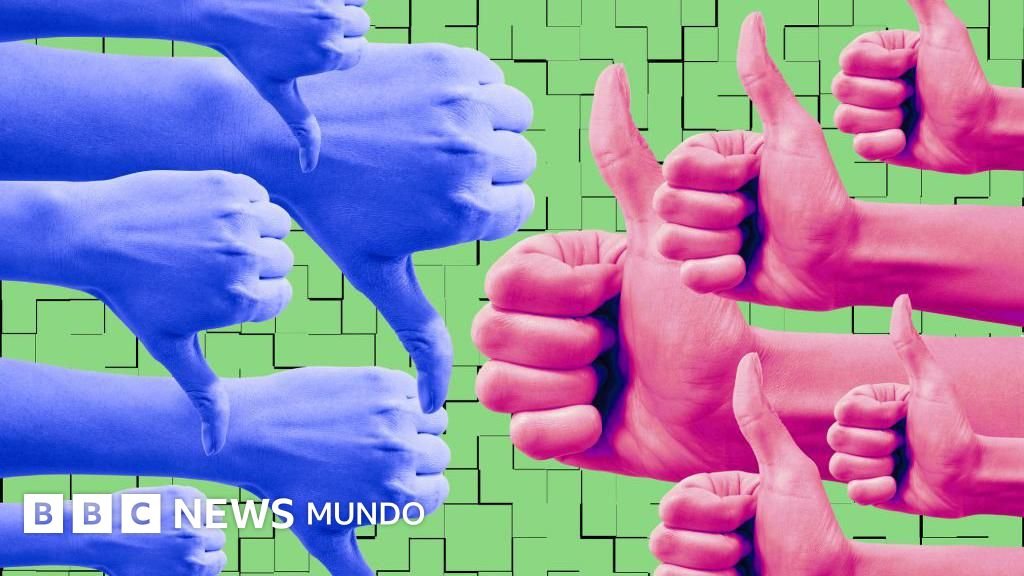
The All-or-Nothing Mentality: Understanding Dicotomic Thinking
Have you ever found yourself caught in a mindset that insists you are either fully for something or completely against it? This polarizing view, often referred to as dicotomic thinking or an all-or-nothing perspective, has been a driving force behind some of history’s most intense conflicts and ideologies. This article will explore the origins of this way of thinking, its psychological roots, and how it affects our present-day lives.
The Temptation of Black and White Thinking
Throughout history, this simplistic approach has been evident in various forms. For instance, in post-tsarist Russia, individuals were categorized as either revolutionaries or counter-revolutionaries. Similarly, 1930s Italy portrayed its citizens as either fascists or anti-fascists. In the United States during the McCarthy era, patriotism was defined so rigidly that dissent was synonymous with disloyalty. Even in today’s world, this binary thinking is dangerously appealing—it offers a false sense of comfort in a complex reality.
Understanding the Roots of Dicotomic Thinking
Cognitive psychologists like Kimberley Wilson note that this mindset develops early in life. She describes how, in infancy, the world is bewildering and confusing. Babies must quickly categorize experiences as good or bad—safe or unsafe—to find stability. For example, an infant might see their caregiver as a “good” figure who provides comfort and nourishment, while simultaneously experiencing moments of abandonment that seem to define a “bad” figure. This creates a dichotomy that is deeply ingrained in our understanding as we grow.
The Challenges of Black and White Thinking
While growing up, individuals encounter greater complexities in relationships and situations, beginning to realize that it’s possible for the same person to exhibit both nurturing and neglectful behaviors. Wilson refers to this as moving towards a “depressive position,” a term that highlights the emotional challenge of reconciling these dichotomies. Accepting that human beings are inherently flawed allows for a more balanced perspective on life.
The Energy Drain of Simplification
Another reason behind the allure of black and white thinking is its energy efficiency. Thinking categorically saves mental resources because the human brain naturally gravitates toward simpler patterns. “Categorizing someone as either good or bad requires less cognitive load,” Wilson explains. This process can lead to unhealthy mindsets where individuals see themselves as wholly virtuous and others as entirely flawed, forming barriers that hinder personal relationships.
Addressing Dicotomic Thinking
Most people occasionally slip into this binary thought process. For instance, “If I don’t achieve perfection, I’ve failed,” can lead one to abandon worthwhile pursuits. Similarly, relationships may falter under the belief that “if someone doesn’t love me entirely, they don’t love me at all.” So how can we combat these limiting beliefs?
The idea of offering the “benefit of the doubt” is one effective approach. By adopting a more generous interpretation of others’ actions and intentions, we create space for new understanding and growth. This perspective encourages curiosity rather than defensiveness.
Finding Balance in Extremes
Societal and personal extremes can often lead to the perception that differences define us, rather than shared values. Wilson underscores that when people align themselves rigidly against opposing groups, they ignore commonalities, which can lead to the erosion of community and understanding. Maintaining a balanced viewpoint fosters empathy and connection, ultimately allowing for a more humane interaction in our daily lives.
Conclusion
Engaging with the complexities of human behavior and relationships requires breaking free from the confines of dichotomous thinking. By embracing a more nuanced perspective, we not only enrich our understanding of others but also foster healthier environments for ourselves.
Key Takeaways
- Dicotomic thinking simplifies reality into good or bad categories, often leading to misunderstandings.
- This mindset develops early in life and can hinder personal and social connections.
- Offering the “benefit of the doubt” can help combat extremes in thinking.
- Embracing complexity enhances relationships and fosters understanding in communities.