
Trump Halts Green Card Lottery Following Brown University Shooting
The recent tragic shooting at Brown University has prompted President Donald Trump to suspend the Green Card lottery program, a key avenue for permanent residency in the United States. This decision comes in light of a violent incident that resulted in two fatalities, raising serious discussions about immigration policies and their implications for national security.
The Incident and Immediate Reactions
Last week, a shooting occurred at Brown University, claiming the lives of two individuals. The alleged assailant, a 48-year-old Portuguese national named Claudio Neves Valente, was found dead shortly thereafter. He entered the U.S. using a DV1 visa, obtained through the diversity visa lottery program.
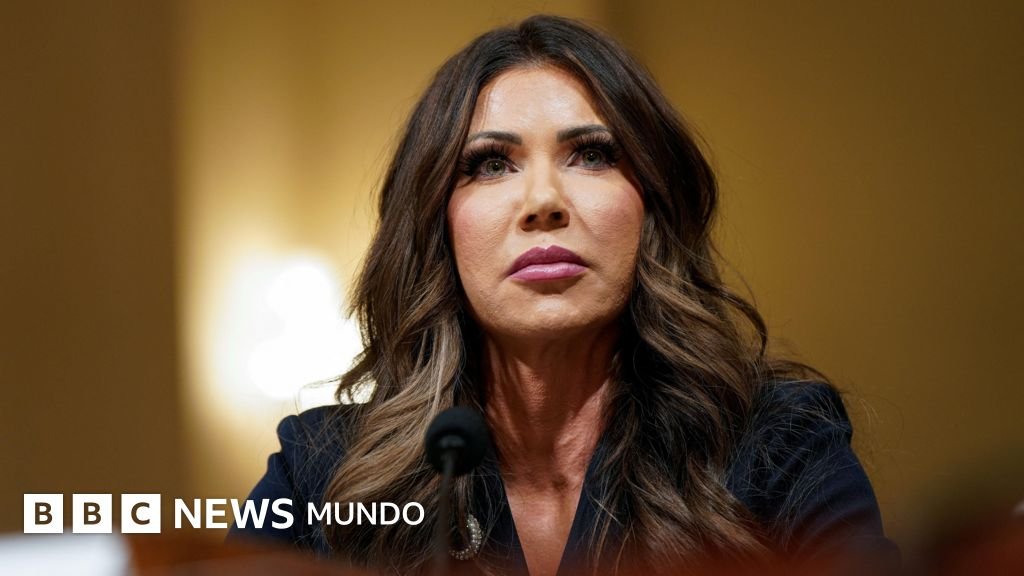
Kirsti Noem, the Secretary of Homeland Security, announced the suspension of the lottery, stating it was in her mandate to ensure that “no American is further harmed by this disastrous program.” Valente, believed to have previously murdered a Massachusetts Institute of Technology (MIT) professor, sparked intense scrutiny of immigration protocols, especially concerning those who enter through diversity visa pathways.
Understanding the Diversity Visa Lottery Program
Each year, the diversity visa lottery program offers around 50,000 visas to applicants from select countries, particularly those with historically low immigration rates to the U.S. For the year 2025, nearly 20 million individuals worldwide entered the lottery, highlighting its significance to many hopeful immigrants.
- Countries qualifying to participate frequently change based on recent immigration trends.
- In fiscal year 2026, approximately 55,000 visas are projected.
- Eligibility excludes nations that have sent over 50,000 immigrants to the U.S. in the past five years.
This year, several Latin American countries, including Argentina, Bolivia, and Peru, were eligible to apply for the Green Card lottery, while nations like Colombia and Mexico were not. Importantly, winning the lottery does not guarantee a Green Card; selected individuals must pass standard vetting processes, including consulate interviews.
The Shooting at Brown University
The violent event took place during finals week, with Neves Valente allegedly opening fire in an engineering building. Two students, Ella Cook and Mukhammad Aziz Umurzokov, tragically lost their lives, while others were injured. Following extensive investigation, authorities linked Neves Valente to the death of MIT professor Nuno Loureiro, who had been found dead in his home shortly before the incident at Brown.
Neves Valente’s history as a student at Brown University, where he was enrolled for a doctoral program in Physics, further complicated the situation. Officials noted that he was not actively affiliated with the institution at the time of the shooting.
Authorities have not disclosed a clear motive for these attacks, but the investigations revealed a chilling pattern between the crimes. Neves Valente was discovered dead with firearms and evidence that connected him to the Brown shooting.
Conclusion
The suspension of the Green Card lottery program by President Trump reflects a growing concern over safety and immigration processes in the U.S. The Brown University shooting has reignited discussions on the effectiveness and security risks associated with diversity immigration programs.
Key Takeaways
- President Trump has suspended the Green Card lottery following a tragic shooting at Brown University.
- The diversity visa lottery annually allocates around 50,000 visas from select countries.
- Claudio Neves Valente, the accused assailant, had entered the U.S. through this program.
- The investigations linked Valente to another murder prior to the university shooting.