
Bulgaria’s Media Landscape: The Controversy Surrounding Tsantsarova
Maria Tsantsarova, a prominent figure in Bulgarian journalism, has become a pivotal voice in the ongoing political drama within the country. Following the recent resignation of the coalition government amid significant public protests, calls to safeguard critical perspectives on national media have gained urgency. This article explores the implications of Tsantsarova’s potential removal from bTV and the broader implications for press freedom in Bulgaria.
Concerns Over Media Freedom
The Association of European Journalists Bulgaria has raised alarm over the possibility of ‘emptying of chairs’, a term describing the removal of critical voices from Bulgaria’s airwaves. In a statement, they urged bTV’s management to act in a manner that supports public interest and upholds the laws protecting free speech. “We call on bTV’s management to take a reasonable decision that does not run counter to the public interest or the legislation protecting freedom of speech,” they emphasized.
Context of Political Unrest
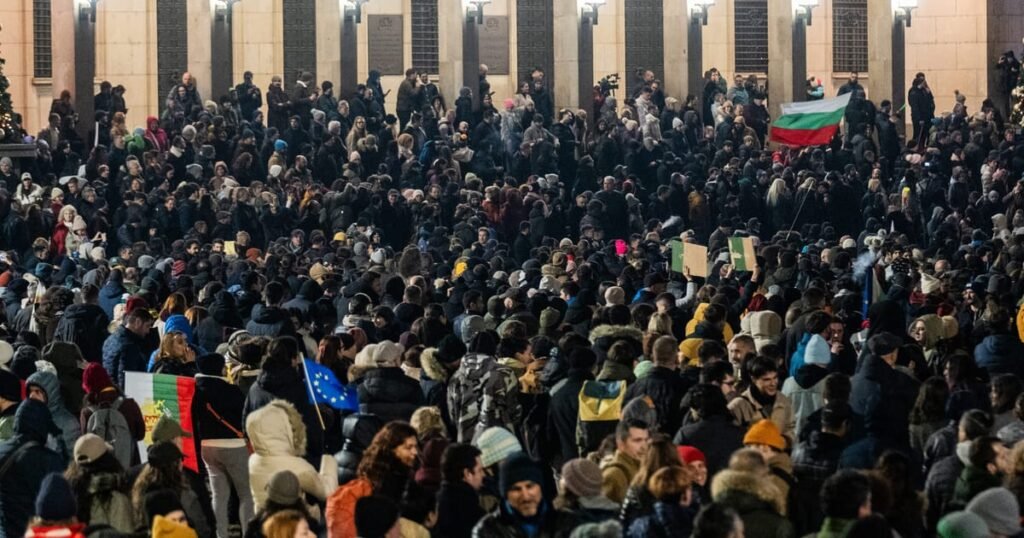
Tsantsarova’s situation unfolds amidst substantial political turmoil. The recent resignation of Bulgaria’s coalition government occurred in the backdrop of one of the largest anti-government protests the nation has witnessed in decades, just shy of a year after assuming power. This political instability raises questions about the state of journalism and independent media in the country.
Public Response and Symbolism
Demonstrators gathered outside bTV’s headquarters, showcasing mugs bearing the phrase “Time to make a real change,” coinciding with a similar mug that Tsantsarova showcased during a broadcast. This symbolic gesture highlights the strong public sentiment rallying for accountability and genuine reform within the government and media.
Official Statement from bTV
In response to the uproar regarding Tsantsarova’s position, bTV has denied any official action regarding her removal. The network stated it is “in dialogue with Maria Tsantsarova and is discussing possibilities for the development of its programming content with her active involvement in the new year, which is standard practice.” This response aims to clarify their ongoing commitment to programming and Tsantsarova’s role in it.
The Silence of Key Figures
To date, neither Tsantsarova nor fellow journalist Yochev has publicly commented on the situation. Their silence leaves many questions unanswered about their future roles within the media landscape amid this heated controversy.
Press Freedom Rankings
Concerns about media freedom are underscored by Bulgaria’s declining position in global rankings. According to the most recent analysis from Reporters Without Borders (RSF), Bulgaria has slipped to 70th place from 59th in the media freedom index. “Press freedom is fragile and unstable in one of the poorest and most corrupt countries in the European Union. The few independent media in Bulgaria are under pressure,” RSF noted, highlighting the dire state of journalism in the country.
Conclusion
The unfolding situation involving Maria Tsantsarova serves as a critical reminder of the challenges faced by journalists in Bulgaria, particularly regarding press freedom. Amid political unrest and public protests, the fate of critical voices within the media remains uncertain, drawing attention to the need for protection of independent journalism.
- Maria Tsantsarova is a key voice in Bulgarian journalism during a time of political unrest.
- The Association of European Journalists Bulgaria has voiced concerns over critical media censorship.
- bTV has stated they are in discussions regarding programming content involving Tsantsarova.
- Bulgaria’s media freedom ranking has slipped significantly, highlighting widespread challenges.