
Honduras Elections and the Geopolitical Shifts in Diplomatic Alliances
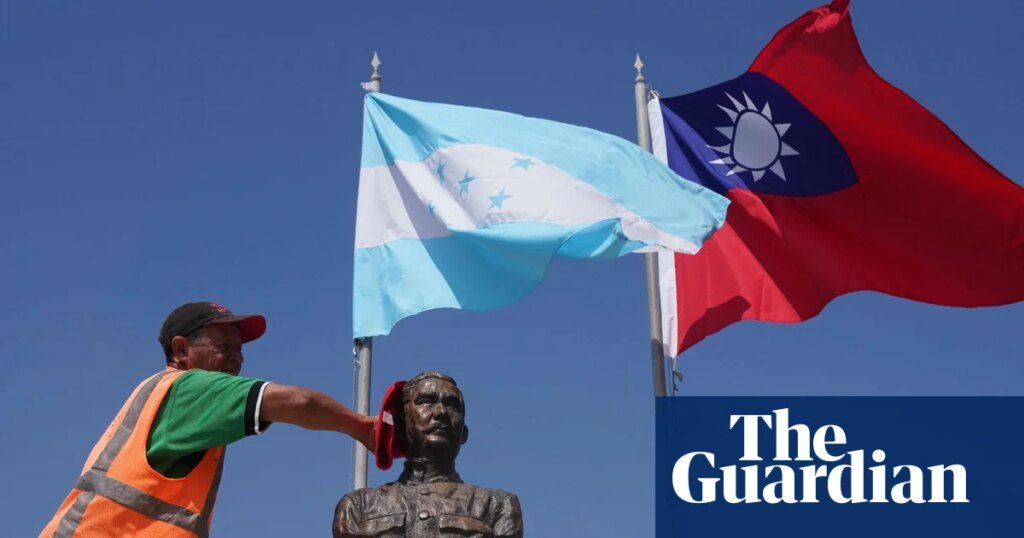
The recent elections in Honduras have set the stage for significant diplomatic shifts, particularly in relation to Taiwan and China. As the political landscape unfolds, both leading candidates are signaling a move to sever ties with Beijing and rekindle a long-standing relationship with Taipei, an outcome that could redefine regional alliances and influence in Central America.
The Diplomatic Landscape: Taiwan vs. China
Following the tumultuous elections held on November 30, which were marred by technology failures and accusations of fraud, a decisive victor remains undisclosed. However, one outcome is clear: Taiwan emerges as a formidable winner in the contest for diplomatic recognition. Both Salvador Nasralla and Nasry Asfura, the main candidates in the election, have declared their intention to cut diplomatic ties with China and restore Honduras’ relationship with Taiwan. This move marks a stark reversal of the decision made in March 2023 by former President Xiomara Castro to sever the country’s 82-year ties with Taipei.
Honduras was the ninth among ten nations to switch allegiance from Taiwan to China in a span of ten years, succumbing to an intensifying diplomatic pressure campaign from Beijing aimed at isolating Taiwan. This campaign seeks to diminish Taiwan’s sovereignty and bolster China’s narrative of its claimed territory.
However, the shift to Beijing has prompted regret among Honduran leaders. “Our relationship with China has brought absolutely no advantages,” stated Nasralla. His opponent, Asfura, echoed this sentiment, declaring that their country was “much better off with Taiwan.” This shared perspective highlights a transformation in public sentiment regarding diplomatic affiliations.
Diplomatic Entanglements and Consequences
Despite Taiwan’s dwindling number of diplomatic allies—just 12 countries—the unfolding situation illustrates a complex interplay between geopolitics and national interests. Nations have often found themselves caught in a bidding war for financial and political incentives from both Taiwan and China. Honduras, in this respect, followed other Central American nations, such as Panama, the Dominican Republic, El Salvador, and Nicaragua, that have shifted allegiance in recent years.
To illustrate, over the last two decades, a total of 21 countries have turned their backs on Taipei in favor of closer ties with Beijing, with Nauru being a notable instance of changing alliances. This predicament highlights the broader challenges faced by Taiwan as it navigates a landscape heavily influenced by the economic might of China.
The situation for those who resist Beijing’s overtures is dire. Reports have highlighted how countries like Guatemala faced pressure during the pandemic to recognize China in return for vaccine aid. Diplomats from Taiwan’s remaining allies have recounted experiences ranging from attractive investment offers to intimidating attempts from Chinese officials pressuring their UN representatives.
Shifting Perceptions: US Influence and the Future
The calculations for maintaining relationships with China versus Taiwan appear to be shifting. Influences such as US pressure and unfulfilled Chinese promises have played a critical role. For example, Honduras has suffered economically due to broken agreements, such as the failure of Chinese buyers to compensate for the loss of Taiwanese shrimp market share. This has raised questions about the feasibility and benefits of aligning with Beijing.
Amidst the backdrop of these shifting alliances, reports of corruption and questionable dealings have surfaced. Allegations concerning the former Panamanian president’s family receiving financial benefits post-recognition have come to light, causing public opinion towards China to waver. A growing awareness of such tactics is reshaping perceptions in Central America.
Despite these geopolitical maneuvers, the average citizen’s concerns often diverge from international politics. Economic relations and international diplomacy are secondary to the immediate influences of US power and relief from local issues. Evan Ellis, a noted expert, suggests that nations choosing to remain loyal to Taiwan may expect benefits from the US as it pushes back against Chinese expansionism in the region.
Recent developments illustrate how US influence plays prominently in shaping diplomacy in Central America. The American focus on the Caribbean, which includes military positioning near Venezuela, suggests that nations like St Vincent and the Grenadines will tread carefully in their international relations to avoid provoking US ire.
Conclusion
The Honduran elections have reignited discussions around the complex dynamics of international relations, particularly between Taiwan and China. As candidates showcase their intentions to shift diplomatic allegiance, the broader implications for regional stability and alliances are unfolding. These decisions not only affect Honduras but could signal a trend towards a more significant re-evaluation of ties in Central America amidst global power struggles.
- Honduras’ election results may signal a shift back to Taiwan after ties were severed in 2023.
- Both leading candidates express regret over their prior alignment with China.
- US influence and dissatisfaction with China’s unfulfilled promises are shaping diplomatic decisions.
- The evolving diplomatic landscape reflects broader geopolitical tensions between Taiwan and China.