
Brussels Pedestrian Zone Changes: What You Need to Know
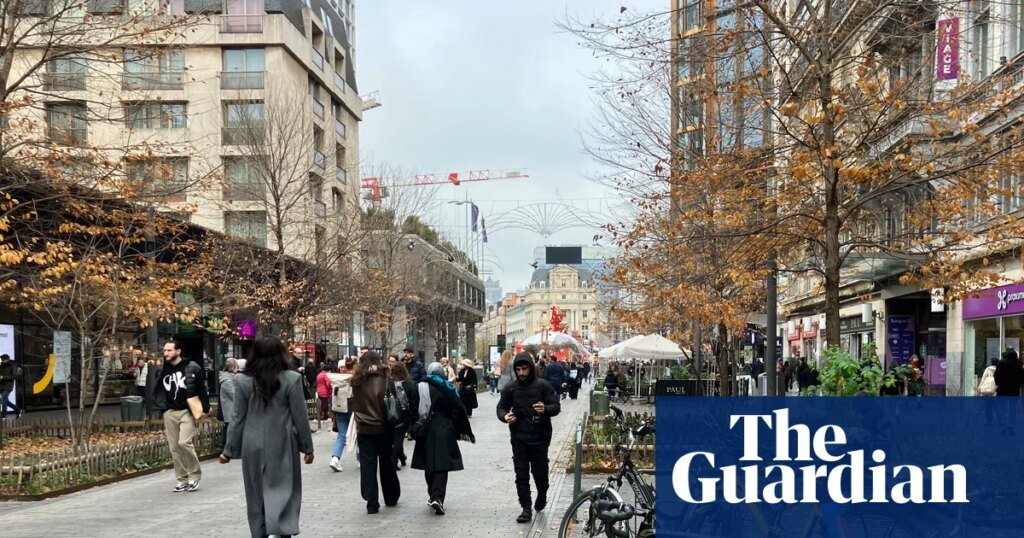
On an unusually warm winter day, Le Piétonnier, the pedestrian zone at the heart of Brussels, is bustling with life. Tourists are indulging in mulled wine and churros from the nearby Christmas market, located just outside the Bourse, which has been transformed from a historic stock exchange into a popular beer museum. Meanwhile, coffee lovers enjoy their beverages at café terraces as bicycles and scooters maneuver through the crowds in the vibrant, 650-meter-long space. However, this lively scene is set to change next year.
New regulations will limit bike and scooter access to this expansive 18,000-square-meter pedestrian area. Riders will only be permitted to navigate the zone between 4 AM and 11 AM, requiring them to dismount and walk their vehicles at other times to avoid penalties.
The Reason Behind the Change
Anaïs Maes, the city’s counselor responsible for urban planning and mobility, highlighted that not all cyclists respect the current 6 km/h speed limit. “In reality, people often ignore this rule or are unaware of it, resulting in conflicts,” she noted. Maes, a member of the Dutch-speaking socialist party Vooruit, is attentive to the “small accidents” and complaints coming from pedestrians. Many individuals, especially older adults and those with small children or mobility challenges, express concerns about their safety, fearing they might not be able to step aside quickly enough to avoid an incident.
Future Implementation
Brussels officials have yet to announce the exact timeline for these changes, as discussions within the council continue. However, it seems that the Piétonnier, which was once a congested road, is becoming a victim of its own popularity. Initially expanded a decade ago with goals of creating a greener and calmer urban environment, the area has now turned from a busy thoroughfare into a welcoming space for pedestrians and cyclists alike, significantly boosting café culture and open-air events.
A Shift in Urban Dynamics
For context, the Grand-Place, a stunning central square adorned with intricate, gold-leaf guildhalls and a gothic city hall, was primarily a car park until 1972. It wasn’t until 1991 that traffic was fully banned from this picturesque area.
When the pedestrian zone was expanded to prohibit cars near Place de La Bourse in 2015, it generated considerable debate. Maes, who wasn’t on the council at that time, recalled how planners believed that pedestrians and cyclists could coexist in harmony. “The idea was to create a multimodal space where everyone could find their footing; it’s unfortunate, but this has not always worked out as planned, prompting the need for new solutions.”
Mixed Reactions from Cyclists
Feedback on the impending ban has been varied. Cyclist Danielle Peeters, who works at a Dutch-language organization, finds the decision somewhat drastic. “While I do slow down when the area’s busy, not everyone does, leading to potential dangers.”
Alex, a 43-year-old mountain climbing guide and takeaway courier from Ukraine, expressed a different perspective. He noted that the ban would complicate his delivery route but acknowledged that, given the current situation in Ukraine, it wasn’t a major concern for him. “They could’ve improved bike pathways instead,” he suggested.
Concerns for Safety
Local cycling advocacy groups have voiced concerns about the lack of a dedicated bike lane, emphasizing that the conflict between cyclists and pedestrians was predictable. An open letter signed by numerous cycling and road safety organizations criticized the ban as both “dangerous and absurd.” They argue that the proposed alternative route, which involves busy roads that cyclists would have to share with cars and buses, poses significant safety risks.
Bernards Heymans, president of Heroes for Zero, a grassroots road safety movement, remarked that the proposed detour “is not comfortable” and could be perilous for young cyclists. “If cyclists are banned from the Piétonnier, we want a truly safe alternative route to access the city center,” he asserted. “Once a secure second path is available, it’s likely that more people will opt for that route.”
Seeking Safe Alternatives
Maes remains skeptical about the feasibility of a dedicated bike lane within the pedestrian zone. “Establishing designated spaces doesn’t inherently enhance safety; it can just elevate speed, leading to further conflicts with pedestrians,” she explained. Her team is committed to devising a robust alternative route, stating, “Our goal is to address this mobility issue without exacerbating the situation.”
Conclusion
The forthcoming changes to the pedestrian zone in Brussels aim to enhance safety for everyone. While the initiative has sparked diverse reactions, the city’s planners remain focused on creating a more harmonious environment for pedestrians and cyclists alike.
Key Takeaways
- New regulations will restrict bike and scooter use in the Piétonnier, allowing access only from 4 AM to 11 AM.
- Concerns about safety and conflicts between cyclists and pedestrians prompted these changes.
- City officials are working on creating a safer alternative route for cyclists.
- Feedback from the community reflects a mix of support and criticism regarding the new regulations.