
The Impact of the Supreme Court’s Ruling on Tariffs
On a significant day for economic policy, Donald Trump has faced a setback with the Supreme Court’s decision regarding his ability to impose tariffs. For months, Trump warned that such a ruling would jeopardize both the economy and national security. However, the court, with a majority of six judges, contravened his assertions, emphasizing that the power to impose tariffs lies with Congress, not the presidency.
Supreme Court’s Ruling
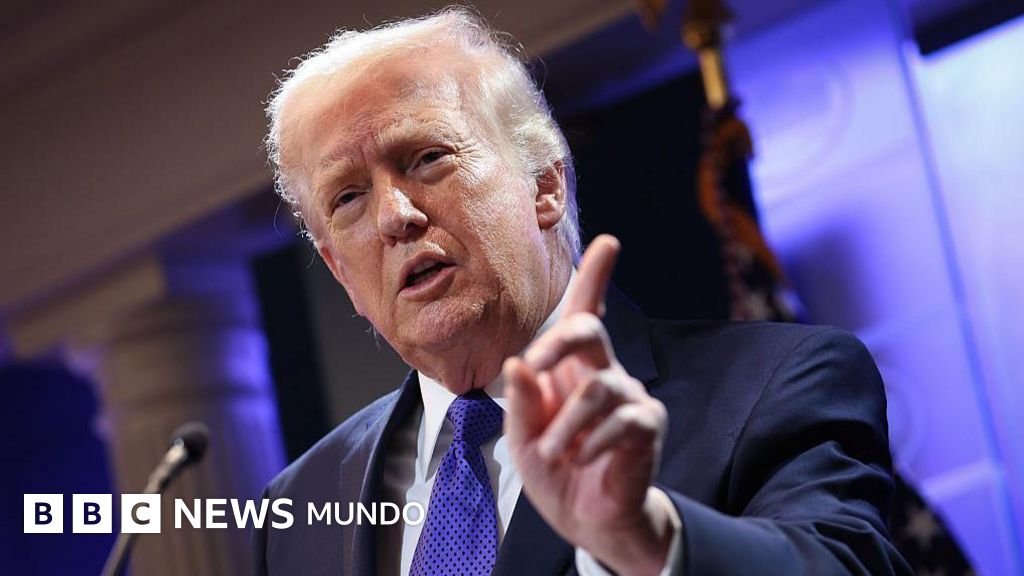
During a hastily organized press conference, Trump expressed his discontent with the judges, stating he was “ashamed” of the three conservative justices who nullified his tariffs. He criticized the three liberal justices, labeling them a “disgrace.” In reaction to the court’s ruling, Trump announced plans to reinstate tariffs using alternative presidential powers, including a global temporary tariff set at 10%, which he later declared he would raise to 15% through his social media platform, describing the court’s decision as “extraordinarily anti-American.”
Shifting Political Landscape
This ruling marks an unusual limitation on Trump’s executive power, particularly following a year where the Supreme Court had generally supported his agenda, especially regarding immigration and federal government restructuring. This latest case has effectively curtailed one of the broader applications of presidential authority.
Challenges Ahead
Several other high-profile cases involving contentious executive power use—including attempts to repeal birthright citizenship and remove a Federal Reserve governor—may present further challenges to Trump in the near future. The ruling not only undermines Trump’s negotiating position with other countries but also risks emboldening them to adopt a more confrontational stance now that the president’s tariff powers have been curtailed. Moreover, it opens the possibility that the Trump administration might need to return substantial tariff revenues collected over the past year.
Legal and Political Options
Given the anticipated ruling, the Trump administration had ample time to strategize. Historical precedent and prevailing sentiments among many judges suggested potential legal challenges could arise. Trump’s chief trade advisor, Jamieson Greer, remarked last month that the White House had “many different options” if tariffs were lifted, asserting, “The reality is, the president will use tariffs as part of his trade policy going forward.” Nonetheless, the alternatives available to him are now more restricted, requiring detailed justification reports from agencies, and they come with limits regarding their scope and duration.
The days of Trump threatening substantial tariffs with a mere flick of his wrist or a quick social media post are behind him. New tariffs will necessitate a more thorough process, providing other nations with additional time to prepare for any economic disruptions that may result from Trump’s efforts. If he seeks to regain the flexibility to impose new tariffs, he must now consider seeking explicit authorization from Congress—a requirement the Supreme Court has made clear. However, with slim Republican majorities in both the House of Representatives and the Senate, and midterm elections approaching, achieving such approval seems improbable.
Implications for Future Policies
In fact, some of Trump’s conservative allies in Congress may breathe a sigh of relief following this decision. His tariffs, along with the burden they imposed on consumers, have proven unpopular among many Americans. This unpopularity leaves Republican candidates in pivotal states vulnerable to criticism from Democrats for supporting Trump’s policies. This uncertainty in Trump’s agenda has now been alleviated, at least temporarily.
Furthermore, the ruling will create a tense atmosphere during Trump’s upcoming State of the Union address, where he traditionally faces members of the Supreme Court seated prominently in the audience. After months of scathing critiques aimed at the court’s justices, Trump will find himself in a position to confront those who have challenged his ambitious agenda for his second term.
Conclusion
The Supreme Court’s ruling on Trump’s tariff powers has significant implications for his administration’s economic strategy. With the ability to enforce tariffs now limited, the president faces both legal and political hurdles moving forward. While he may attempt to explore alternative routes to maintain his trade policies, the landscape of U.S. economic negotiations could drastically shift.
Key Takeaways
- The Supreme Court has limited Trump’s ability to impose tariffs, emphasizing Congressional authority.
- Trump plans to pursue alternative methods for tariffs, despite facing challenges in doing so.
- The ruling could embolden international trade partners to adopt firmer stances.
- The upcoming State of the Union address could be tense for Trump in front of the court’s justices.