
Revolutionary Treatment for Aggressive Leukemia
In a groundbreaking development previously thought to belong to the realm of science fiction, an innovative therapy has successfully reversed a type of aggressive and incurable blood cancer in multiple patients. This article delves into the details of this remarkable treatment, which involves precise DNA editing of white blood cells, transforming them into a “living drug” that combats cancer.
A Success Story
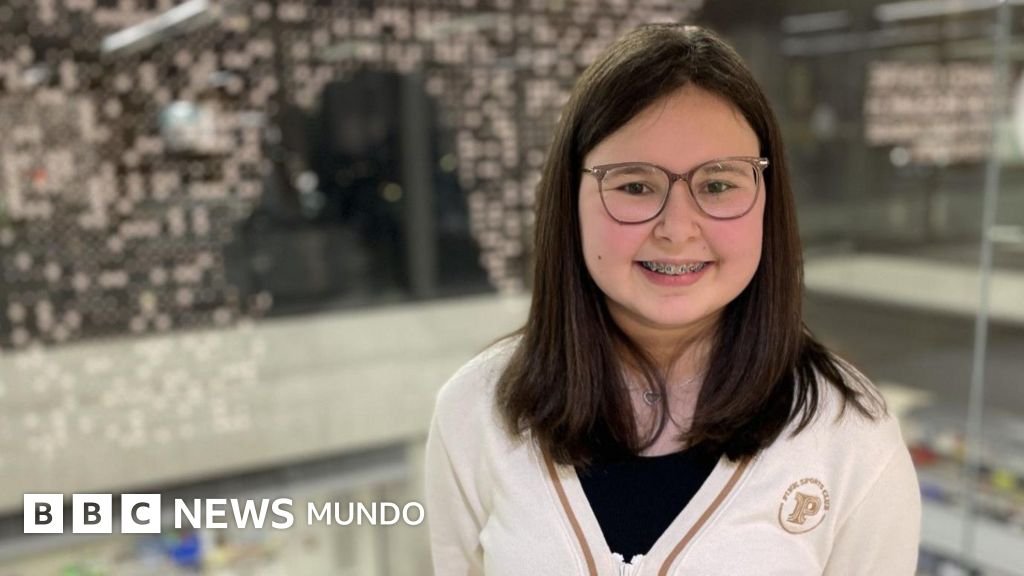
The first patient to undergo this transformative treatment was a 16-year-old girl named Alyssa Tapley. Her journey began in 2022, and she continues to thrive today, entirely free from the disease. Alyssa is now aspiring to become a cancer research scientist.
Clinical Results
Currently, eight other children and two adults with T-cell acute lymphoblastic leukemia have also received this treatment, achieving a remission rate of 64%. In T-cell leukemia, these cells, which are supposed to protect the body, grow uncontrollably. Previous traditional treatments like chemotherapy and bone marrow transplants had failed, leaving these patients with minimal options. For many in the clinical trial, ensuring a comfortable end-of-life experience was the only remaining choice.
“I really thought I was going to die and that I wouldn’t be able to grow and do all the things that every child deserves to do,” Alyssa shared from Leicester in central England.
Alyssa’s Journey
Alyssa was the first person in the world to receive this treatment at Great Ormond Street Hospital. The groundbreaking process involved wiping out her existing immune system and building a new one. She spent four months in the hospital, unable to see her brother due to infection risks. Today, her cancer is undetectable, and she only requires annual check-ups. Alyssa is currently in her A-level studies, participating in the Duke of Edinburgh Award, contemplating getting her driving license, and planning her future.
“I’m thinking about pursuing a vocational training in biomedical sciences and, hopefully, one day getting involved in blood cancer research,” she expressed.
The Science Behind the Treatment
The innovative team from University College London and Great Ormond Street Hospital employed a technology called base editing. Bases are the building blocks of life; the four types—adenine (A), cytosine (C), guanine (G), and thymine (T)—compose our genetic code. Just like letters form meaningful words, billions of bases in our DNA serve as the instruction manual for our bodies.
Precision Modifications
Base editing allows scientists to pinpoint and alter specific parts of the genetic code. In this case, the goal was to harness the natural abilities of healthy T-cells to seek out and eliminate threats, targeting T-cell acute lymphoblastic leukemia. This process involves intricate and complex modifications: starting from healthy T-lymphocytes from a donor, the following steps were employed:
- The initial modification deactivated the T-lymphocytes’ attack mechanisms, preventing them from harming the patient’s body.
- The second step involved removing a chemical marker known as CD7 from all T-lymphocytes to stop the therapy from self-destructing.
- A third adjustment added an “invisibility cloak” to shield the cells from destruction by chemotherapy drugs.
- Finally, T-lymphocytes were programmed to seek out any cells carrying the CD7 marker, ensuring they would target any affected cells while sparing each other.
This therapy is administered to patients, and if no cancer is detected after four weeks, a bone marrow transplant is performed to replenish their immune system.
“A few years ago, this would have been regarded as science fiction,” stated Professor Waseem Qasim from UCL and Great Ormond Street Hospital. “Essentially, we need to dismantle the entire immune system. It’s an intensive and demanding treatment for patients, but when it works, it works extremely well.”
Remarkable Outcomes
Results published in a medical journal showcase significant progress among the first eleven patients treated at Great Ormond Street and King’s College hospitals. Among them, nine achieved complete remission, permitting them to undergo bone marrow transplants, and seven remain cancer-free, with follow-ups spanning three months to three years following treatment.
Risks and Future Implications
Despite the promising results, the risk of infections remains a concern while the immune system is compromised. In two cases, cancerous cells were able to lose their CD7 markers, allowing them to evade the treatment.
“Given the aggressiveness of this particular leukemia, these clinical results are truly remarkable,” said Dr. Robert Chiesa from the Bone Marrow Transplant Department at Great Ormond Street Hospital. “I’m incredibly pleased to have offered hope to patients who would have otherwise lost it.”
Commenting on the research, Dr. Tania Dexter from the Anthony Nolan charity added, “Considering these patients had little to no chances of survival prior to the trial, these findings instill hope for the advancement of such treatments in the future.”
Conclusion
The advancements in leukemia treatment through base editing technology not only provide hope but represent a substantial leap forward in medical science. As more patients respond favorably, this innovative approach may redefine the future landscape of cancer therapies.
Key Takeaways:
- Alyssa Tapley, the first patient of this revolutionary treatment, is now cancer-free and planning her future in science.
- The therapy employs gene editing to transform T-lymphocytes into effective cancer fighters.
- Significant clinical results show a 64% remission rate among treated patients.
- Innovative techniques hold promise for future cancer treatments, enhancing hope for patients facing leukemia.