
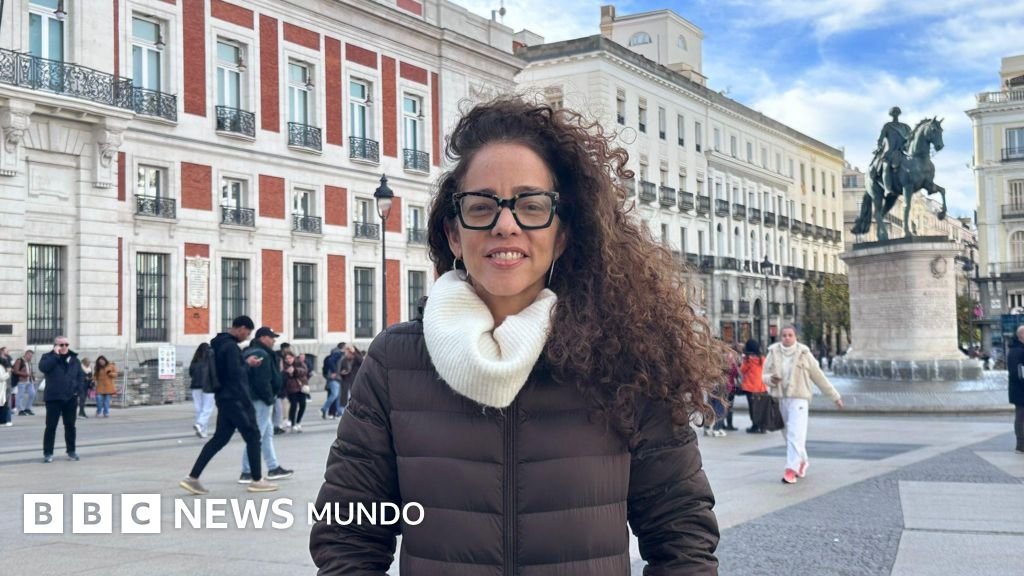
A Journey of Migration and Resilience: From Venezuela to Spain
Migration was never on my agenda, especially not moving to Miami. The idea felt remote without the prospect of obtaining a green card. However, everything changed in March 2022 when the Temporary Protected Status (TPS) for Venezuelans was approved, creating a lifeline that seemed unlikely just a month before.
Beginning My Migration Journey
My migration story began in June 2018 when I made the tough decision to leave Venezuela for Peru, seeking refuge from an ongoing humanitarian crisis. The implementation of the Temporary Stay Permit (PTP) in Peru was a welcome opportunity, allowing me to leave with my 18-month-old child to a country that offered a glimmer of normalcy.
While Peru provided some stability, the COVID-19 pandemic made me reassess my situation. Alone with a four-year-old child, the thought of falling ill without anyone to care for my son prompted me to search for a new destination with better support. By 2021, I was considering either Miami or Madrid.
Unpredictable Turns
Yet again, I was hit with uncertainty. “How do I secure paperwork in the United States?” Faced with limited options, I decided to head to Madrid and apply for humanitarian visa. Before that, I planned a stop in Miami to spend Christmas with my brother, soaking in some familial warmth after months of isolation.
Unexpectedly, I found myself stuck in Miami due to ongoing travel restrictions in Spain. But then, an opportunity arose. The Biden administration approved TPS for undocumented Venezuelans, offering not just protection but also the ability to obtain a Social Security number and work permit—this shifted everything in my favor.
Finding a New Home
Miami transformed into my sanctuary. It placed me near loved ones, offered me a platform to work as a journalist, helped formalize my editorial business, and even gave me a chance to find love anew. The city I least expected to live in opened a world of possibilities and renewed my hope.
The Visa Application Process
My friends reminded me, “Mirelis, you have awards, publications, and recognitions. You can apply for an extraordinary ability visa.” It seemed like a fitting path, so I reached out to a lawyer experienced with cases like mine and invested the first $6,000. My trust was strong because many had successfully acquired their status this way.
Over the next year, I compiled a comprehensive dossier, gathering evidence to satisfy ten eligibility criteria that would validate my standing as an exceptional journalist. This involved detective-like searches for endorsements from credible sources, some of whom declined to assist while others willingly supported me.
Difficult News
With my hopes pinned on this journey towards residency—and eventually citizenship—for both my son and my partner awaiting asylum for over 11 years, I invested an additional $3,500 in administrative fees and expedited services. “This is an investment in our future,” I reassured myself as expenses mounted.
My application was submitted on February 15, 2024, but only to be met with disappointment on February 27—my case was rejected. I anticipated this risk, yet the experience was profoundly disheartening. I was left feeling utterly vulnerable.
A Chance At Redemption
I could appeal, yet after consulting another lawyer, I was advised that my case lacked foundational strength. The best path forward was to prepare a new application, albeit this time with a staggering cost of $12,570 in fees and expenses.
This new process demanded a hefty dossier, now a 700-page compilation proving my contributions to journalism, featuring notable organizations I had worked with, including major publications and international journalist organizations. I submitted this renewed petition on January 24, 2025, merely days after Trump’s second inauguration.
Shortly thereafter, I was requested to provide additional evidence, which prompted a good deal of frustration. Nevertheless, I felt confident in my chances. While my case was evaluated, I was ecstatic to learn I had met four out of the ten necessary criteria.
Disheartening Rejection Again
Yet again, I didn’t receive the residency approval; I was told I didn’t meet the required high level of expertise for the visa class. My lawyer assessed that the discretion exercised by USCIS was excessive, rendering my case a victim of the “Trump effect.” Although I had the option to appeal through federal court, the prospect of a lengthy process and potential costs of another $10,000 discouraged me.
Shifting Gears to Spain
By this time, TPS was hanging by a thread, with growing discussions of its termination, further complicating my already tenuous status. A hint of hope emerged when a judge blocked the government from interfering, suggesting a possible extension to 2026. However, the ticking clock pressed heavily on my next steps.
My lawyer recommended the O visa pathway with sponsorship, requiring another $4,000 stacking atop my considerable credit card debt. I decided to take this final chance, knowing it wouldn’t provide residency or citizenship but would grant three years of legal stay, with the opportunity for renewal.
What was anticipated as a straightforward procedure turned into five agonizing months of waiting. My lawyer’s office seemed overrun, messages went unanswered, and no updates came through. At last, I decided against proceeding with my application due to financial implications.
Exploring New Horizons in Spain
By that stage, I had spent over $25,000 with no tangible outcomes. Years of emotional and financial turbulence, in an environment increasingly hostile toward migrants, compounded my stress. The only remaining recourse was to seek late asylum, yet that path would bind me in the U.S., unable to leave for years.
Then, serendipity led me to an Instagram post about the digital nomad visa in Spain. Meeting with an advisor unveiled a more hopeful perspective: I could obtain residency in roughly 20 business days with the chance to apply for nationality after two years. The choice was clear—either embark on this new journey or return to Venezuela.
Emotionally, it was a turbulent phase. Leaving the U.S. meant forfeiting everything I had built over the past five years. With my knowledge that my career could not be salvaged by my lawyer’s attempts to waive final payments, reality hit hard. It took me a month to wrap up my life in Miami, packing what I could into four suitcases and heading to Caracas to renew my passport for my son and myself before journeying to Madrid.
A New Chapter
By September 8, 2025, I arrived in Madrid, and within a week, I was meeting the advisor again to finalize the documentation for the digital nomad visa, including my business records and proof of income. We submitted everything on October 2, 2025, and a month later, I received the fantastic news—my residency application was approved for three years, and for a fee of under $825! I was overwhelmed with joy; the approval arrived swiftly, and my tears flowed freely on the way home.
Reflecting on My Journey
Adjusting to life in Spain has stirred a profound sense of uprooting, carrying the weight of feeling expelled from the U.S., a land I hoped to call home. When asked about my adaptation, I often respond, “Madrid may not be my ultimate destination, but at least it welcomes me warmly.”
Spain has granted me something I had long forgotten during my time in the U.S.—the ability to save money. Until then, my earnings had been consumed by legal fees, leaving little room for anything else. Now I find comfort in my financial independence, as my funds cover rent, food, school, and entertainment.
Additionally, I’ve rediscovered the freedom of navigating life without the burden of car dependency. The day I walked my son to school felt surreal. Public transportation offers flat-rate monthly access, allowing me to travel throughout Madrid for just about €32.70 (around $38).
While some caution me about the fees for self-employed workers and the scrutiny of tax authorities, I feel a sense of safety I haven’t experienced since Trump’s administration.
Conclusion
My migration journey, fraught with challenges, has led me to a new life in Spain, where I’ve begun to reclaim my sense of security and financial independence. Each step, though laden with hurdles, has brought me closer to an unexpected yet fulfilling reality.
Key Takeaways
- The journey of migration is often filled with hurdles and unexpected turns.
- Temporary Protected Status offered a lifeline for many Venezuelans during tumultuous times.
- Financial independence plays a crucial role in personal well-being and stability.
- The significance of supportive networks cannot be underestimated during challenging transitions.