
Generational Displacement in Lebanon: A Struggle for Refugees
Tripoli, Lebanon – In 1948, Manal Matar’s grandparents made a harrowing decision to flee their home in Akka (Acre), then part of Palestine, and sought refuge in Lebanon. Their initial hope for a quick return was dashed as borders closed, leading them to settle in the Rashidieh camp near Tyre, a coastal city in southern Lebanon, where they have lived ever since. This backdrop sets the stage for Manal’s current trials.
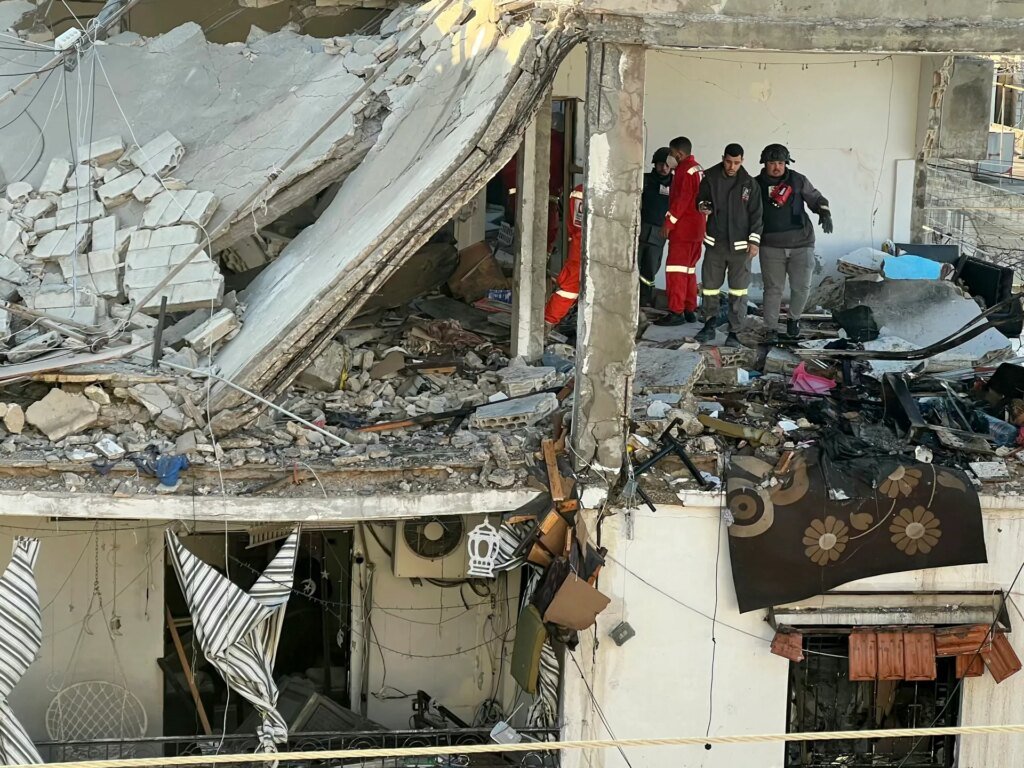
On the early morning of March 2, an escalation in violence shattered the quiet of Manal’s neighborhood as Israeli forces began a heavy assault. “The bombing was relentless,” she recalled, describing how her family hastily gathered their belongings and left, surrounded by the terrifying sounds of warfare. “It felt like we were on the run for over a day.” They eventually found temporary shelter with Manal’s maternal aunt in the Beddawi refugee camp located in Tripoli, northern Lebanon.
For Manal, she is but one of many Palestinian refugees enduring the generational trauma rooted in Israel’s displacement policies. “God protect us that this situation won’t last longer than it already has,” she said, weariness evident in her voice. Many Palestinians share her sentiment, recognizing that displacement can often feel permanent. “God willing, this conflict ends soon,” she added with a glimmer of hope.
A ‘New Nakba’
The conflict intensified following Hezbollah’s first attack on Israel in over a year, on March 2. This strike was claimed as a retaliation for the assassination of Iran’s Supreme Leader Ali Khamenei, which some saw as the catalyst for a broader U.S.-Israeli conflict against Iran. Despite a ceasefire in Lebanon allegedly in place since late November 2024, violations by Israel, totaling over 15,000, have caused significant casualties in Lebanon.
In response, Israel issued evacuation orders affecting more than 14% of its population, impacting southern Lebanon and parts of Beirut known as Dahiyeh. The Israeli Defense Minister, Israel Katz, warned that those displaced may not be able to return until northern Israel is secured.
Areas directly affected include Palestinian refugee camps in Tyre, such as Rashidieh and Burj Shemali, and Beirut camps like Burj al-Barajneh and Shatila. The camps, originally home to refugees from the 1948 Nakba and the 1967 Naksa, shelter about 200,000 Palestinian refugees in Lebanon today, one of the most vulnerable populations due to restrictive employment laws.
The ongoing violence since March 2 has displaced over 800,000 individuals in Lebanon. Many have sought refuge with relatives, in hotels, or by renting apartments, while some have turned to schools repurposed as emergency shelters. However, reports indicate that these centers predominantly serve Lebanese nationals, leaving vulnerable groups like Syrian refugees and Palestinians to find their own solutions.
Yasser Abou Hawash, a lifelong resident near the el-Buss camp, recounted how, during heavy attacks in 2024, he and his family fled to a friend’s apartment in Beirut for safety. Now, with renewed violence and a “ground operation” looming, he contemplates moving back to Beirut. “I’m living what my parents experienced in 1948,” he stated. “This is a new Nakba, repeating every decade.”
The Legacy of Displacement
Officials in Beddawi report that over 250 Palestinian families have fled to this camp from Beirut and southern Lebanon amidst the escalating conflict. Dalal Dawali, who has roots in Beddawi but was living in Dahiyeh, returned with her four children, leaving her husband behind. “Every day, we wish for peace to return so we can go home,” she lamented, emphasizing the sense of belonging she and her family felt in Dahiyeh, which they had come to regard as home. Her family, originally from al-Khalisa, experienced the trauma of uprooting decades ago.
Generational trauma is a pervasive theme among Palestinian communities in Lebanon. Elia Ayoub, a Lebanese-Palestinian academic, noted that for many, the Nakba is viewed as an ongoing process rather than a historical moment, symbolizing a consistent struggle within the framework of the Israeli state. “For these individuals, the trauma of displacement continues to evolve,” he explained.
The re-entry of Israeli troops into southern Lebanon rekindles fears for many that returning home could once again be out of reach. For individuals like Manal, feelings of safety are dwindling. “We no longer feel secure or stable,” she expressed. The fear of violence has intensified, leading many families to contemplate leaving Tyre indefinitely.
While some individuals still cling to the hope of returning to their homes, others find the emotional toll of ongoing conflict pushing them to consider relocating elsewhere. “I suggested to my husband that we leave, far from the south,” Manal shared, her thoughts echoing those of many seeking refuge. Meanwhile, Dalal continues to hold onto hope for a return to Dahiyeh, even as her mother, Em Ayman, tearfully recalls her family’s own displacements from Palestine: “We still need to return to our country, to Palestine,” she stated, summing up a sentiment shared by many Palestinian families.
- Palestinian refugees in Lebanon continue to navigate generational trauma due to displacement since 1948.
- Ongoing conflict has resulted in significant recent displacements, with over 800,000 people affected.
- Many refugees are facing challenges securing safe housing amid a new escalation in violence.
- Hope for the future remains varied, with some still longing for return while others consider leaving Lebanon.