
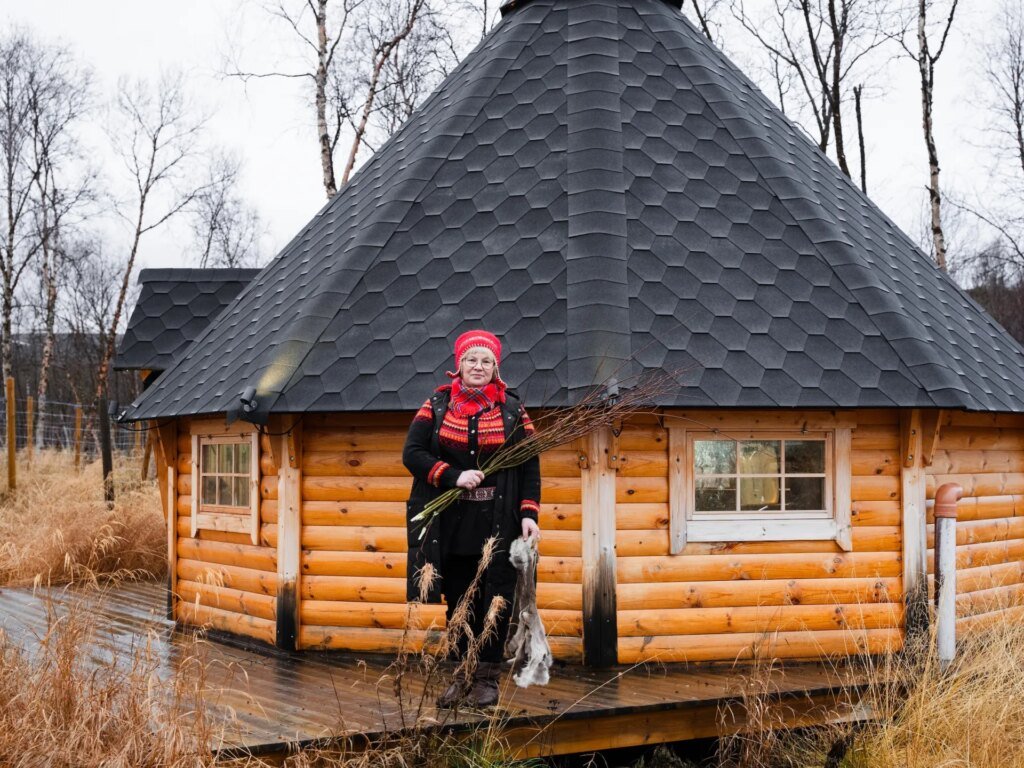
The Struggles of a Sami Reindeer Herder
As a Sami reindeer herder from Northern Norway, my family has dedicated generations to this way of life. It’s not just a livelihood for us; it embodies our cultural identity, founded on respect for the environment, community ties, and historical continuity. However, this way of life faces significant threats today as the Norwegian government proposes the construction of numerous wind turbines on our grazing lands. These developments pose a serious risk to reindeer migration, delicate ecosystems, and our very heritage.
Growing Up Sami in a Constrained Environment
I hail from Tana, a small community where my class had just 12 students. Among the five Sami kids, two of us came from reindeer herding families. At first, I believed the others were solely Norwegian, only to later discover they too were Sami, with their parents pressured to hide their identities.
During my schooling, there was a push from the Norwegian state to categorize all Sami people as simply Norwegian. We were compelled to speak Norwegian and forbidden from using our native language or singing traditional Sami songs. Even our sacred drum, vital for connecting with nature, was banned by the church. These policies aimed to erase our existence and have left enduring scars on our community.
Thankfully, my parents ensured that I could speak Sami at home, despite it being labeled as a forbidden language. I have always cherished my heritage, yet many others were deprived of that privilege. For decades, we have fought to reclaim rights that should never have been revoked.
A Calling to Reindeer Herding
From a young age, I aspired to become a reindeer herder. It felt like a natural choice, deeply rooted in the life I adored. My husband and I married young, committing ourselves to our ancestral traditions. For years, we lived with the hope of continuing this way of life, just as our forebears had.
Unfortunately, that peace has been shattered. Today, our lands are being appropriated, a development that threatens both our income and the well-being of the reindeer. During migration—from winter grazing grounds to summer pastures—the reindeer instinctively return to birth in the same locations every year. Our role as herders is to follow their lead, not to exert control. Disrupting their migration routes jeopardizes the entire system.
The Threat of Wind Turbines
In 2023, plans surfaced to erect hundreds of wind turbines directly on our summer grazing lands in Corgas. These proposals could obliterate grazing areas, fracture migration paths, and jeopardize our ancient herding customs. Despite the strong objections from Sami communities, the authorities appear intent on fast-tracking approvals.
We know the detrimental impact of wind turbines on reindeer; they tend to avoid these areas altogether. Should these projects proceed, the land will become unusable. Although the Norwegian state claims ownership, Sami people have long been granted rights to use this land—rights that are now being overshadowed by industrial pursuits. Our children may inherit nothing.
The Multifaceted Importance of Reindeer Herding
Reindeer herding bolsters our community in numerous ways. The animals provide meat and materials for traditional crafts. Additionally, my family runs a small business that showcases Sami culture and knowledge to visitors. Each year, around 4,000 people from across the globe come to learn about our way of life. The wind farms threaten to dismantle all that we’ve built together.
The Fight for Our Future
The justification for these developments revolves around green energy and future sustainability. However, at what expense, and to whom? Norway already possesses ample electricity resources. Why is our nature only valued when it can be commodified? We, the Sami, endure the brunt of climate change repercussions. In my youth, winter temperatures dipped to minus 40 degrees Celsius; today, winters are warmer, sometimes bringing rain instead of snow, creating ice that restricts the reindeer’s access to food. We need this land to withstand a changing climate, not to give it up.
For over a year, I’ve fought tirelessly to protect our land and community. I’ve attended meetings with energy companies to explain how the wind turbines would be detrimental to our livelihoods and the reindeer. Despite my efforts to communicate with government officials, it often feels like our voices go unheard.
The Weight of Responsibility
With seven wind farm projects planned, involving hundreds of turbines, I’ve articulated our plight repeatedly, yet it seems decisions are already in motion. This struggle feels overwhelming, and I worry about what the future holds for my three children and eight grandchildren. Young people shouldn’t have to grow up in a world where their existence is a constant battle.
This situation has impacted my mental well-being. Some days, I grapple with how to navigate this crisis. My community lends support, encouraging me to stay strong. I am not fighting solely for my family; I am fighting for our entire community.
Solidarity and Resistance
I will not back down. I demonstrate outside government buildings with friends, echoing the sentiment that solidarity matters. I refuse to stand idly by as our lands are taken from us. As long as I possess the strength to resist, I will continue.
Activism has always been a part of my life. From the age of six, I fought for the right to speak Sami in school. That struggle persists to this day. I am thankful that organizations like Amnesty International stand by us; their support reaffirms that we are not invisible, even when ignored by our government. This is our life, and I know no other way of living. We must protect our land for the generations yet to come.
Conclusion
The fight to preserve our Sami heritage and land is critical for the future of both our culture and our livelihood. As we stand at this crossroads, it is essential to advocate for our rights and ensure that the voices of indigenous communities are heard and respected.
Key Takeaways
- The Sami community faces threats to their way of life from proposed wind turbine projects.
- Sami cultural identity has been challenged by historical assimilation policies.
- Reindeer herding is vital for both cultural and economic sustainability in Sami communities.
- Activism and solidarity remain essential for the preservation of ancestral rights and land.