
Exposing the Dark Side of Fundraising Campaigns for Sick Children
In a shocking revelation, an investigative report highlights the heartbreaking exploitation of families with sick children by online scam campaigns. This article delves into the personal story of Khalil, a 7-year-old boy, and the harrowing details behind fundraising efforts that have failed to deliver the promised support.
The Heartbreaking Request
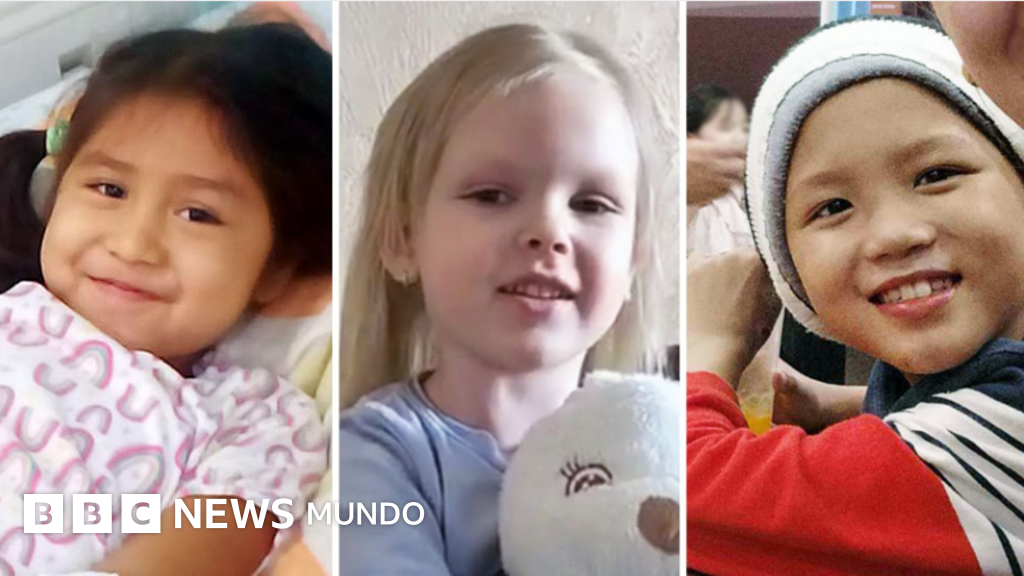
Khalil, as seen in his video, speaks directly to viewers: “I’m 7 years old and I have cancer. Please save my life and help me.” Despite his discomfort, his mother, Aljin, complied with strange requests for the video that involved shaving Khalil’s head and pretending it was his birthday. Surrounded by a film crew, a fake IV was administered, and actors coached him to recite lines in English.
To elicit tears, they used chopped onions and menthol under his eyes, which made Khalil particularly upset. Yet, Aljin accepted these filming conditions, believing the footage would help gather money for Khalil’s treatment. Surprisingly, the video succeeded in raising about $27,000, according to a campaign associated with him.
Broken Promises
Unfortunately, Aljin was told the campaign had failed to raise substantial funds. She only received $700 from that day’s filming effort, and just a year later, Khalil tragically passed away.
Globally, countless families in similar situations are being exploited by fraudulent online campaigns promising to fund life-saving treatments. The investigation found that many families received little to no money raised, often unaware that such distressing campaigns involving their children were even running.
A total of 15 families reported receiving only a fraction of the funds raised—many didn’t see a dime of what was reported to be nearly $4 million. They believe their situations were used to craft a narrative that tugged at the heartstrings of donors worldwide.
The Scams Unveiled
Our investigation began when a poignant YouTube ad featuring a crying Ghanaian girl named Alexandra caught our attention: “I don’t want to die,” she sobbed, claiming her treatments were exceedingly expensive. Her crowdfunding campaign surprisingly raised nearly $700,000.
We found a number of similar videos featuring sick children worldwide, all exhibiting polished production quality while cleverly manipulating views and emotions.
Upon deeper investigation, we traced many of these campaigns back to an organization named Chance Letikva (Opportunity for Hope), which is registered in both Israel and the United States.
Tracking the Stories
Locating the families of these children proved challenging, but through social media and geolocation, we reached out to those living as far away as Colombia and the Philippines. Some of these families were posed with impossible conditions and told their children would appear in a fundraising video that never materialized.
Aljin shared that her son Khalil fell seriously ill just after his seventh birthday. “When we found out it was cancer, I felt like my whole world collapsed,” she recounted, noting the slow treatment process at their local Cebu hospital. A supposed local entrepreneur had reached out to her, demanding a video of Khalil under the guise of producing content for fundraising.
The Filming Experience
In December 2022, a man named Erez, claiming to be from Canada, orchestrated the filming and promised additional payments contingent on donations raised from the video. Aljin explained the filming was drawn out over 12 exhausting hours.
However, months passed without any word regarding the financial success of the video. When Aljin reached out to Erez, he coldly informed her that the campaign had “not succeeded.” She later learned via an investigation that the campaign had, in fact, raised thousands before being hidden away from them.
The Network and Continued Exploitation
Misinformation continued as the individuals orchestrating these campaigns often evaded accountability. Aljin later realized the vast network connecting many of these fundraising schemes, with key players like Erez Hadari coming into focus. Despite allegations concerning the supposed mishandling of funds, the man behind the scenes remained unreachable.
We also connected with other families in similar situations, all experiencing the emotional trauma of being manipulated during their darkest moments.
Implications and Community Reactions
As the investigation continued, the families reflected on the impacts of the scams. Parents expressed feelings of betrayal, not only from the con artists behind the campaigns but also from a system that failed to protect them. Each of these families deserves the opportunity to share their stories without exploitation.
Conclusion
Through this investigation, we’ve unearthed the devastating realities of how fundraising campaigns can become fronts for exploitation rather than genuine efforts to provide support. The misuse of desperate pleas for compassion poses serious moral and ethical questions about how we support children battling illness.
Key Takeaways
- Many families associated with sick children are being exploited by fraudulent fundraising campaigns.
- Campaigns such as Chance Letikva, often manipulate emotional narratives for financial gain.
- Parents are largely unaware of fundraising efforts using their children’s stories until it’s too late.
- A profound need exists for transparency and accountability in charitable fundraising to protect vulnerable families.