
AI’s Environmental Footprint: A Growing Concern
In 2025, the environmental impact of artificial intelligence (AI) is projected to be staggering, potentially paralleling the carbon emissions of New York City or a small European nation. A recent study reveals that AI systems operating in data centers could contribute between 32.6 million and 79.7 million tonnes of carbon dioxide this year alone, raising urgent questions about sustainability in the tech industry.
The Stark Statistics
The report highlights that AI’s carbon emissions could very well match New York City’s total emissions, which stood at approximately 52.2 million tonnes of CO2 in 2023. On the lower end of the estimate, AI’s carbon output could be even comparable to Norway’s entire annual emissions of about 31.5 million tonnes, based on data from the European Environment Agency.
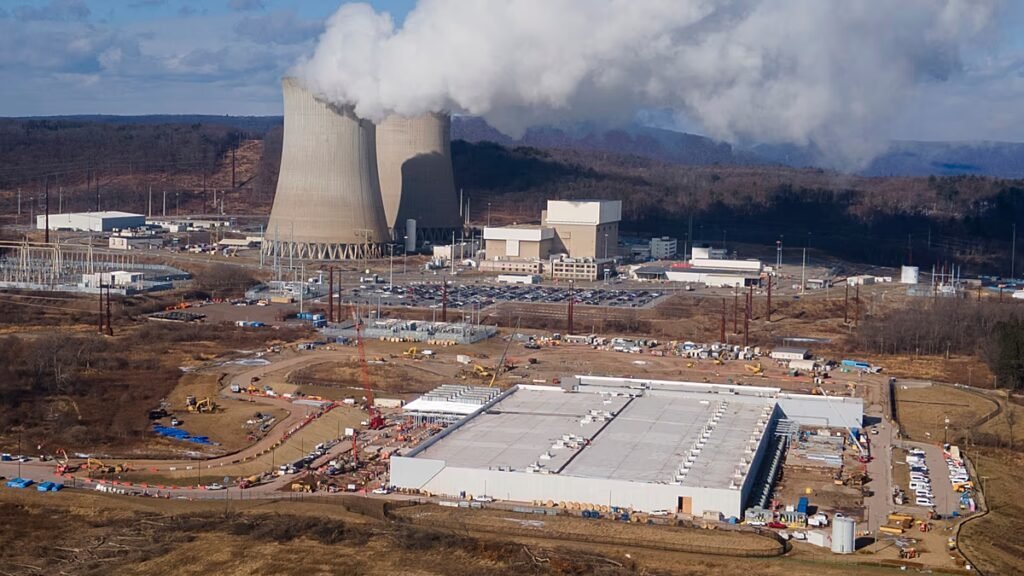
Data centers, which serve as the backbone for services like cloud computing and video streaming, are crucial to this discussion. These facilities house servers that not only produce substantial heat but also depend on water-based cooling systems for safe operations. With the increasing demand for AI technologies, the energy and water requirements for these data centers have surged.
Water Consumption Concerns
According to the study, the water consumption linked to AI could rival the global bottled water industry’s usage, estimated between 312.5 billion and 764.6 billion litres in 2025. This figure includes both the direct water usage for cooling data centers and the indirect consumption associated with electricity production. Interestingly, the report notes that indirect water use can be up to four times greater than direct use, yet many tech companies fail to report this crucial metric.
Europe’s Cleaner Edge
In the global landscape of data centers, Europe accounts for about 15% while the United States dominates with approximately 45%. Fortunately, Europe benefits from cleaner electricity sources. The carbon intensity of European power grids averages at 174 grams of CO₂ per kilowatt-hour (gCO₂/kWh), significantly lower than the global average of 445 gCO₂/kWh and the U.S. figure of 321 gCO₂/kWh. This cleaner energy results in a smaller carbon footprint for European data centers.
The Challenge of Transparency
The study scrutinized environmental reports from nine major tech firms and found a troubling lack of transparency. Notably, none of these companies provide specific metrics regarding the environmental impact of their AI systems, despite acknowledging that AI is a significant factor in rising energy consumption. The research utilized a comprehensive approach by merging public sustainability reports from firms like Amazon, Apple, Google, and Meta with estimates of AI energy demand and grid intensity to gauge AI’s environmental footprint.
However, the author emphasizes that “substantial uncertainty surrounds these figures” due to the lack of differentiation between AI and non-AI computing activities in company disclosures.
“Further disclosures from data center operators are urgently required to improve the accuracy of these estimates and to responsibly manage the growing environmental impact of AI systems,” stated de Vries-Gao.
The analysis included other major tech players such as Baidu, Microsoft, Oracle, Tesla, and Tencent. While these companies do not share AI-specific data, companies like Google, Meta, and Microsoft have reported considerable increases in electricity consumption attributed to their AI developments in 2023 and 2024. “Given the rapid escalation of the environmental impact posed by data centers, the call for transparency in the tech sector has never been more pressing,” de Vries-Gao added.
Call for Action
To address these looming concerns, the research advocates for new policies that require the disclosure of additional environmental metrics. This includes details about the specific locations of AI systems, the scale of operations at these sites, and the water usage effectiveness (WUE) values of individual facilities. As of the publication date, attempts to contact the tech companies for comment went unanswered.
Conclusion
The findings of this study underscore the urgent need for more transparency and accountability in the technology sector, particularly as AI continues to expand. Addressing these environmental challenges should be a priority for tech companies if they aim to mitigate their ecological footprint.
- AI’s carbon footprint in 2025 could rival cities like New York.
- Data centers are major consumers of both energy and water.
- Europe benefits from cleaner energy sources compared to the U.S.
- There is a pressing need for transparency regarding AI’s environmental impact.