
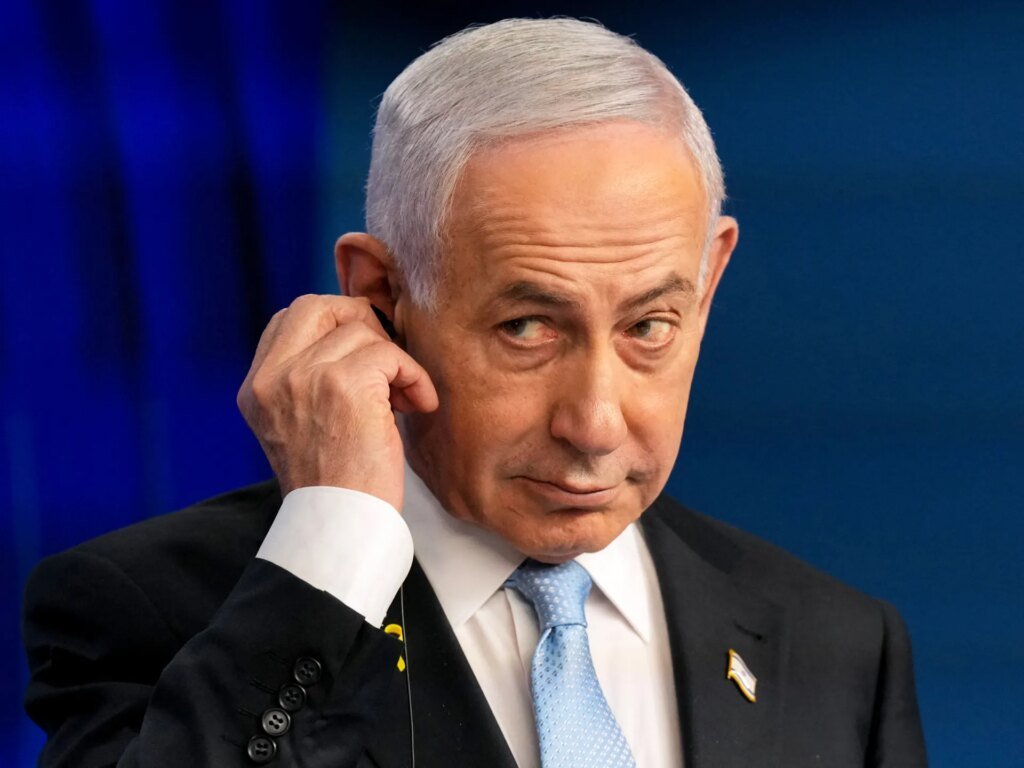
Netanyahu to Lead Inquiry into October 7 Attacks: A Controversial Move
The announcement that Israeli Prime Minister Benjamin Netanyahu will oversee an inquiry into the government’s shortcomings prior to the October 7, 2023, attacks has sparked significant backlash throughout Israel. Many voices are advocating for a state commission of inquiry headed by an impartial Supreme Court justice, reflecting the widespread perception that the current plan lacks independence.
Public Outcry for a State Commission of Inquiry
Since the attacks, which led to numerous casualties and abductions, there have been urgent calls from senior military personnel, the families of victims, and public opinion polls indicating that a thorough investigation is essential for accountability. However, Netanyahu has previously resisted official inquiries, focusing instead on the ongoing military actions in Gaza.
Legislative Plans and Political Dynamics
On Thursday, the Prime Minister’s Office announced a legislative proposal for a politically-appointed inquiry, with Netanyahu at the forefront. The plan includes selecting members via parliament Speaker Amir Ohana, a close ally, which raises concerns about the inquiry’s objectivity. The proposed committee would consist of six members, with a chair chosen from within the group. The government intends to seek bipartisan support for these appointments; however, should the opposition decide to boycott, Ohana would have the authority to appoint representatives unilaterally.
A Critical Member Forum
A ministerial team is set to convene in West Jerusalem on Monday to define the inquiry’s scope, coinciding with a significant day for Netanyahu as he testifies in his ongoing corruption trial.
Concerns Over Inquiry Independence
A recent October poll revealed that 75% of Israelis are in favor of an independent state inquiry. This sentiment is particularly strong among military leaders and the families affected by the October 7 tragedy, who have expressed their frustration. During a recent court session related to Netanyahu’s trial, families displayed signs demanding a state inquiry, which has led to accusations and denials of improper behavior.
Families Demand Accountability
Eyal Eshel, whose son was killed in the attacks, voiced the desire of many relatives for a straightforward inquiry, stating their intentions were not to provoke but to seek accountability. Former Defense Minister Yoav Gallant and other notable figures have echoed calls for a credible inquiry.
Political Responses to the Inquiry’s Launch
The political landscape outside the governing coalition is rife with anger towards Netanyahu’s proposal. Critics like Yair Golan have labeled it a conflict of interest and likened it to organized crime. Other political parties are pushing for a genuine state investigation, with Benny Gantz’s party planning to formally request a commission through the State Control Committee.
Reactions from Victim Families
The families of the October 7 victims have responded with deep disappointment. A statement from the October Council articulates their belief that the government is dismissing their suffering. They emphasize the need for a truthful investigation untainted by political influence.
Context of Previous Inquiries
In February, an army investigation acknowledged its severe failures during the October 7 attacks, recognizing a significant underestimation of Hamas capabilities. Following this, the military leadership underwent changes, with previous leaders resigning amid criticism of their handling of security matters.
Admitting to Failures
Reports from various investigations have shown that Israel’s internal security agency, Shin Bet, faced significant scrutiny for its inability to identify threats early enough and failed to communicate critical intelligence with the military, further underscoring systemic issues that require addressing.
Conclusion
The upcoming inquiry led by Netanyahu raises questions of transparency and accountability in the wake of a national tragedy. As public pressure mounts for an independent investigation, the path forward remains fraught with tension and demands for justice.
Key Takeaways
- Netanyahu’s inquiry faces criticism for lack of independence.
- Public support for a state commission of inquiry remains high.
- Families of victims express deep frustration over the government’s approach.
- Previous military investigations revealed significant failures before the October attacks.