
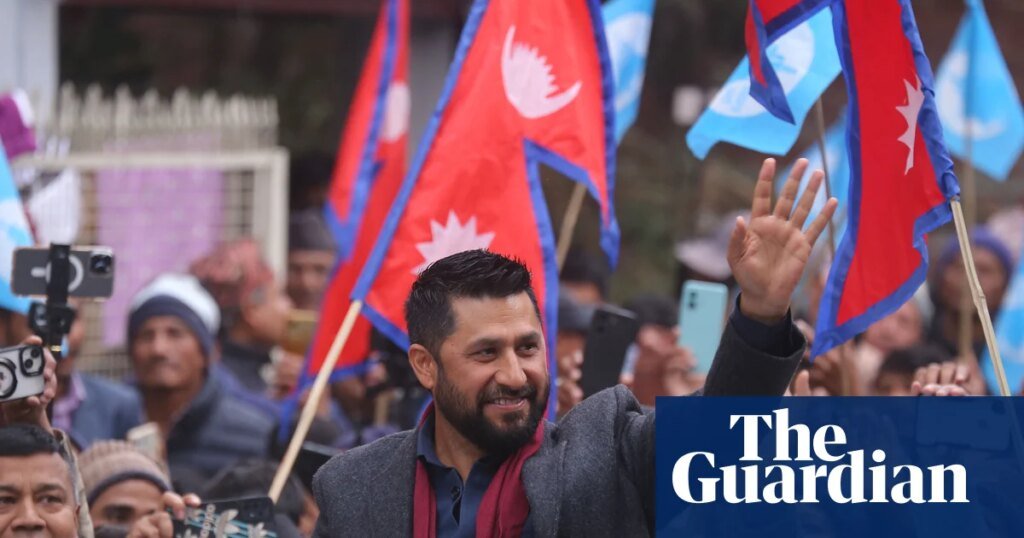
Nepal’s Political Landscape Shifts with Key Alliance Ahead of Elections
In a significant turn of events, two of Nepal’s most influential political figures have joined forces as the country gears up for elections next year. This alliance comes on the heels of intense protests led by the youth that resulted in the recent fall of the previous government, underscoring a clamoring demand for change and accountability.
Forming a Strategic Partnership
Rabi Lamichhane, a well-known television host and the 51-year-old chairperson of the Rastriya Swatantra Party (RSP), has teamed up with Balendra Shah, the 35-year-old rapper-turned-mayor of Kathmandu. Their partnership aims to address the aspirations of younger voters who voiced their frustrations during the anti-corruption protests that erupted in September.
The Context of the Protests
The youth-led unrest on September 8-9 resulted in tragic consequences, with at least 77 lives lost. Sparked by public outcry against a temporary ban on social media, the protests highlighted broader discontent stemming from years of economic stagnation and rampant political corruption.
Details of the Alliance
As part of their newly forged alliance, Lamichhane will continue as the chairperson of the RSP, while Shah has been designated as the party’s candidate for prime minister in the upcoming elections set for March 5. In a statement following the signing of their agreement, Lamichhane emphasized the importance of consensus that genuinely reflects the needs of the nation rather than just the interests of its leaders.
Background of the Leaders
Lamichhane, recently released on bail concerning charges of cooperative fraud and organized crime, has emerged as a prominent voice in the Himalayan nation’s politics. He founded the RSP in 2022, capitalizing on the growing disenchantment with the country’s aging political elites, and has already served as Deputy Prime Minister and Minister for Home Affairs.
Balendra Shah, popularly referred to as Balen, is recognized for his pivotal role in the ongoing political transformation in Nepal. He played a key role in forming the interim government led by Sushila Karki after the ousting of former Prime Minister KP Sharma Oli.
Looking Ahead
On Saturday, Karki engaged in discussions with notable political figures, including former Prime Minister Oli, Nepali Congress leader Sher Bahadur Deuba, and Pushpa Kamal Dahal, coordinator of the Nepali Communist Party. This marked the first meaningful consultation since the upheaval. Following these meetings, Karki expressed on social media that the upcoming election is a collective responsibility and assured the public of a commitment to ensure a fair electoral environment, leaving no room for doubt.
Conclusion
The alliance between Lamichhane and Shah marks a crucial step in Nepal’s evolving political landscape, tapping into the energy and demands of the youth. As the country approaches a pivotal election, all eyes will be on how these leaders can effectively usher in the change that many citizens are yearning for.
- Rabi Lamichhane and Balendra Shah form a key political alliance ahead of Nepal’s elections.
- The partnership is a response to youth-led protests demanding accountability and change.
- Lamichhane retains his leadership role, with Shah as the candidate for prime minister in the upcoming elections.
- Sushila Karki stresses the importance of a free electoral environment as discussions continue among political leaders.