
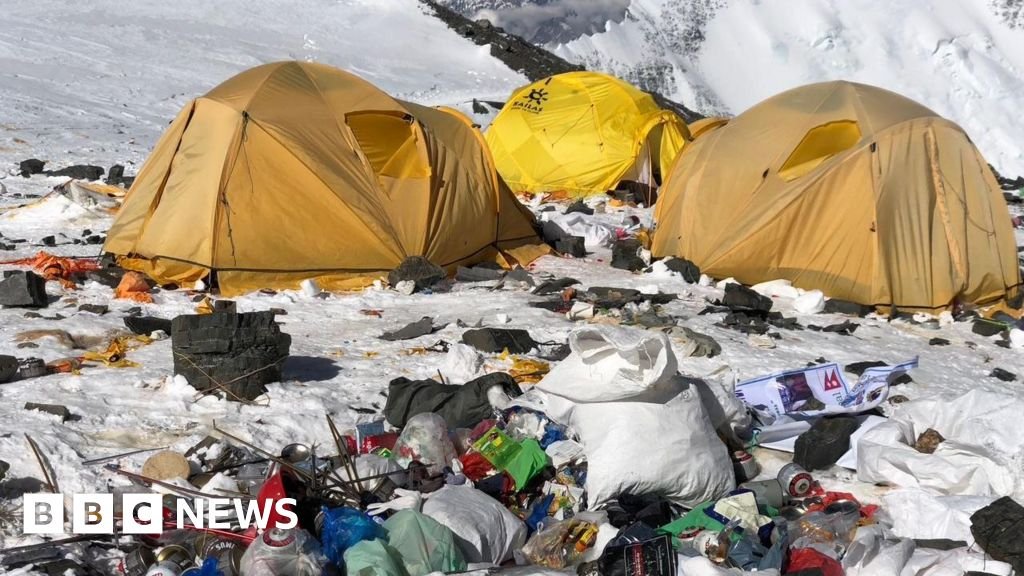
Mount Everest Waste Management Scheme Abandoned: New Measures Proposed
Amid ongoing challenges of waste accumulation on Mount Everest, Nepalese authorities have decided to discontinue a deposit scheme aimed at encouraging climbers to manage their trash. This initiative, in place for over a decade, has now been deemed ineffective in addressing the environmental concerns on the world’s tallest peak.
Reviewing the Failed Deposit Scheme
For the last 11 years, climbers were obliged to pay a deposit of $4,000, refundable only if they brought back a minimum of 8kg of waste. The original aim was to curb the estimated 50 tonnes of rubbish littering the mountain. However, authorities have reported that the scheme did not produce the desired results, as waste continues to accumulate, prompting its termination.
Himal Gautam, a director within the tourism department, noted that while most of the deposit money was refunded, indicating that climbers did return some trash, the bulk of the waste originates from higher camps where climbers often leave behind tents, food containers, and other debris. According to Tshering Sherpa, CEO of the Sagarmatha Pollution Control Committee, climbers typically only retrieve their oxygen bottles, leaving much of the refuse to pile up.
Identifying the Shortcomings
The data indicates that climbers can generate as much as 12kg of waste during their expedition, particularly as they acclimatize on the mountain over several weeks. Moreover, a significant shortcoming of the previous scheme was the lack of proper monitoring. Sherpa emphasized that apart from one checkpoint, there is little oversight of climbers’ activities, allowing waste to remain uncollected at high altitudes.
A New Approach to Waste Management
In light of these issues, Nepalese authorities are developing a new non-refundable clean-up fee intended to fund monitoring and clean-up operations. This fee, expected to remain the same as the previous deposit, will be introduced at higher altitudes, specifically at Camp Two, and will support the deployment of mountain rangers to ensure compliance.
Mingma Sherpa, representing the Pasang Lhamu rural municipality, highlighted the need for reform, noting that the previous system lacked accountability. He expressed hope that this non-refundable fee would enable the establishment of a dedicated fund for effective waste management initiatives.
The Path Forward
This fee is part of a broader five-year clean-up action plan coordinated by the Ministry of Tourism, aimed at urgently addressing the waste problem that has overwhelmed the Everest region.
While there’s been no formal study assessing the total waste on Mount Everest, estimates suggest the presence of significant pollution, including human waste that does not decompose in the extreme cold. With an increasing number of climbers each year, reaching an average of 400, alongside numerous support staff, the layers of waste continue to complicate the sustainability of mountaineering in this iconic location.
- The deposit scheme for climbers has been discontinued due to inefficiency in waste management.
- New non-refundable fees will be introduced to establish better monitoring and clean-up operations.
- The initiative aims to deal effectively with the increasing waste problem on Everest.
- Ongoing concerns include the sustainability of climbing activities in the region due to accumulated waste and pollution.