
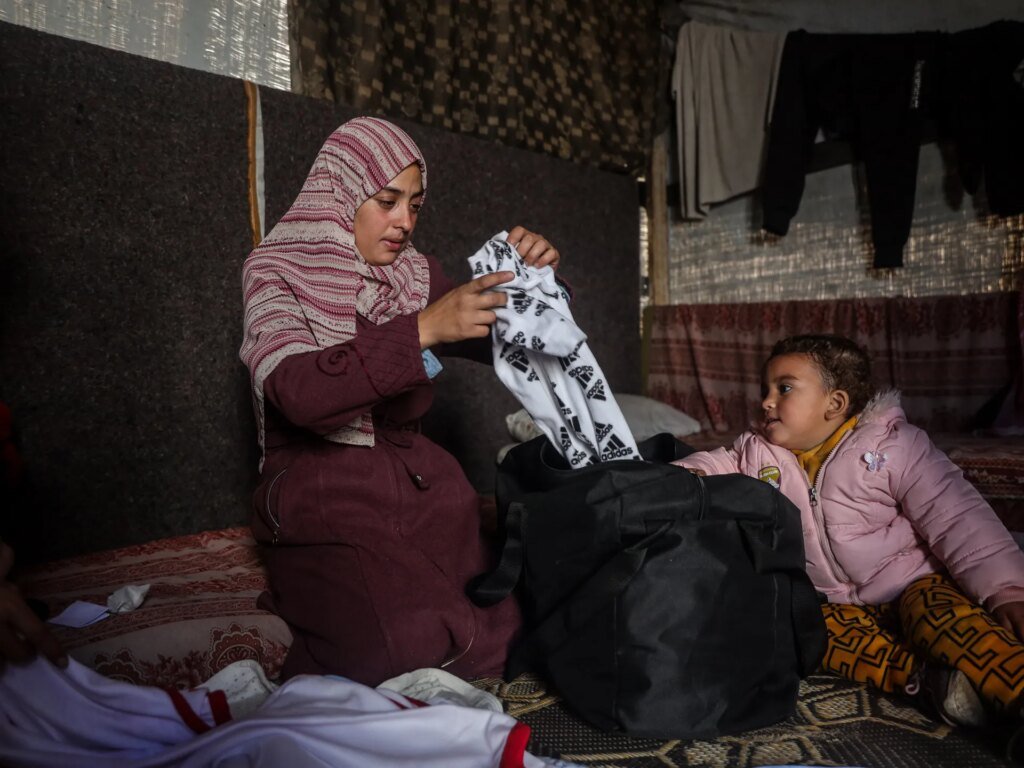
Tragic Winter Conditions in Gaza: A Call for Urgent Aid
Doctors Without Borders (MSF) has issued a dire warning about the severe impact of winter weather on infants and children in the Gaza Strip. With increasing reports of fatalities attributed to harsh conditions, MSF is urging Israeli authorities to lift their aid blockade to provide assistance to those in urgent need. In particular, the organization highlighted the heartbreaking case of a premature baby who succumbed to hypothermia amidst ongoing military actions.
Dire Living Conditions and Rising Fatalities
As of Thursday, the health ministry in Gaza reported that at least 13 people have died due to extreme cold, including a two-week-old infant who tragically froze without proper shelter. MSF specifically mentioned the loss of a 29-day-old baby, Said Asad Abedin, who perished from severe hypothermia in Khan Younis. Ahmed al-Farra, the head of the maternity pediatric department at Nasser Medical Complex, emphasized the critical nature of these conditions, noting that “hypothermia is very dangerous” for newborns. He warned that without essential provisions for warmth, the death toll will likely increase.
The Voices of the Affected
Healthcare professionals are sounding the alarm about the preventable suffering of children. Bilal Abu Saada, a nursing supervisor at Nasser Hospital, lamented that “children are losing their lives because they lack the most basic items for survival.” Many babies arriving at the hospital exhibit near-fatal signs, such as extreme cold. MSF has also noted a spike in respiratory infections as winter progresses, which poses an additional threat, particularly to children under five. The organization reported that hundreds of thousands of displaced individuals are struggling to survive in makeshift tents amid heavy rains and storms.
Ongoing Violence and Its Consequences
In addition to the severe weather, Israeli forces have continued their military operations in Gaza, demolishing structures, and engaging in artillery fire. Palestinian news sources reported that an Israeli airstrike earlier this week killed at least six individuals seeking shelter. These actions exacerbate the humanitarian crisis, making it even more challenging to coordinate aid efforts.
Desperate Conditions for Displaced Families
Severe winter weather has led to the destruction of over 53,000 makeshift shelters, displacing families further into precarious living situations. Eman Abu al-Khair, a 34-year-old resident, shared the heartbreaking story of her baby, Mohammed, who was discovered cold and unresponsive in their tent. With no means to reach the hospital quickly, she lost her son after a desperate race against time. “I can still hear his tiny cries in my ears,” she recalled, struggling with the unimaginable loss.
Call for Immediate Aid
Despite the ongoing humanitarian crisis, Israel has maintained a blockade on aid to Gaza, obstructing the entry of vital provisions like tents and blankets. The United Nations and various international organizations have called for the blockade to be lifted, yet supply flows remain critically low. Advocacy groups are urging a rapid increase in aid deliveries as thousands face dangerous living conditions exacerbated by winter storms.
Conclusion
The ongoing humanitarian disaster in Gaza, compounded by extreme winter weather and military hostilities, requires immediate international attention. Children and families are suffering under dire conditions, and urgent action is needed to alleviate their plight. As we reflect on these tragic circumstances, it becomes increasingly clear that significant changes are necessary to ensure the survival and well-being of those affected.
- Infants and children in Gaza are facing life-threatening conditions due to severe winter weather.
- The ongoing blockade has hindered access to essential aid for displaced families.
- Healthcare professionals are reporting an increase in cold-related fatalities and respiratory infections.
- Urgent international intervention is necessary to address the escalating humanitarian crisis.