
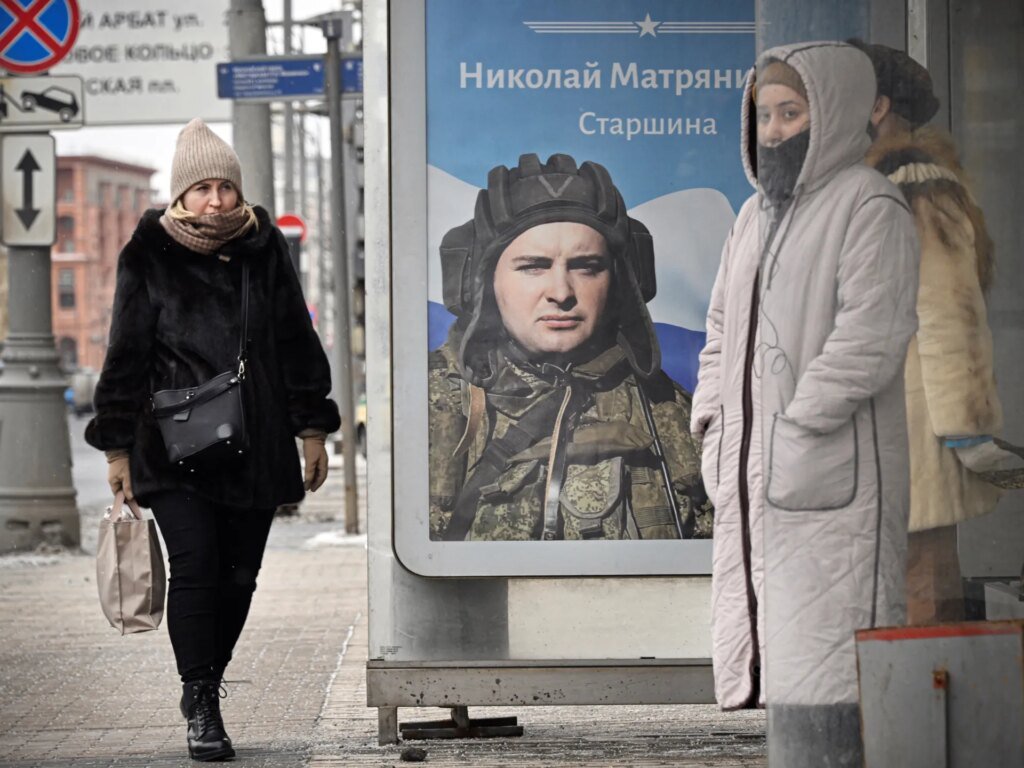
Russians Optimistic About the Future of the Ukraine War
As we approach the end of the year, a significant majority of Russians are optimistic about the conclusion of the ongoing conflict in Ukraine, with many predicting that the war will wrap up in 2026. This sentiment has emerged from a recent survey by a prominent state-owned research organization, reflecting the public’s growing hopes against a backdrop of military advances and potential ceasefire discussions between Moscow and Kyiv.
Survey Insights on Russian Sentiments
VTsIOM, Russia’s leading public opinion research center, released findings that reveal a positive outlook among the Russian population for 2026. Their annual survey highlights that while the current context remains fraught with challenges, many Russians are increasingly inclined to believe in future improvements.
“Expectations for next year are traditionally more optimistic,” stated VTsIOM in the report. “Although there is still a negative perception of the current situation, this year has seen a rise in cautious hope for what lies ahead.”
Major Expectations for 2026
In the year-end summary, Mikhail Mamonov, the deputy head of VTsIOM, revealed that 70% of 1,600 surveyed individuals anticipate that 2026 will be a more successful year for Russia. Notably, 55% of respondents linked their optimism to the potential end of what the government refers to as its “special military operation” in Ukraine.
The main driver of this optimism is the belief that the military operations will reach their objectives, aligning with the national interests set forth by the Russian leadership. Mamonov pointed to several key factors influencing these outlooks, including:
- The ongoing military offensive by Russian forces in Ukraine.
- The United States’ hesitance to continually fund the conflict.
- The European Union’s struggles to fill the financial and military roles previously held by the U.S.
Future Priorities and Challenges
Looking ahead, Mamonov emphasized that priorities after the conflict would focus on reintegrating military veterans into society and reconstructing areas under Russian control, as well as Russian border zones. However, despite the ongoing military activities, measuring public fatigue regarding the war is challenging due to strict media regulations. Still, independent polling suggests that around two-thirds of Russians support peace negotiations—marking the highest percentage since the conflict began in 2022.
Negotiation Developments
In recent comments, Ukrainian President Volodymyr Zelenskyy expressed a willingness to withdraw troops from Ukraine’s eastern industrial region if Russia reciprocated by pulling back its forces, suggesting the establishment of a demilitarized zone overseen by international observers. Zelenskyy outlined a proposed 20-point framework, negotiated with U.S. representatives, pondering similar arrangements around the Zaporizhzhia nuclear power plant, currently under Russian occupation.
However, Russia has yet to signal any intent to withdraw from the acquired territories, maintaining that Ukraine must relinquish remaining control over the Donbas region before any serious peace talks can take place. Russia currently holds most of Luhansk and about 70% of Donetsk, the two regions that constitute the Donbas.
Zelenskyy further noted that addressing future governance in the Donbas would be a significant hurdle in the negotiation process, highlighting the need for complex discussions regarding troop movements and the positioning of international forces.
Conclusion
The perspective of many Russians for the upcoming year reflects a cautious optimism surrounding the conclusion of the war in Ukraine. As discussions around potential peace talks continue, the hope for a more prosperous 2026 remains predominant in the public’s consciousness.
Key Takeaways:
- Majority of Russians expect the Ukraine war to conclude by 2026.
- Optimism ties back to military advancements and potential peace negotiations.
- A significant portion of the public supports peace talks, marking the highest levels of support since 2022.
- Future priorities include veteran reintegration and the reconstruction of affected areas.