
Shocking Revelations of Electroshock Aversion Therapy in the UK
A recent investigation has uncovered harrowing truths about the use of electroshock aversion therapy in the United Kingdom, revealing that over 250 individuals were subjected to painful electric shocks intended to alter their sexual orientation and gender identity. This practice, part of a broader history of conversion therapy, has left lasting physical and emotional scars, as shared by three survivors who experienced this treatment as teenagers in the late 1960s and early 1970s.
The Background of Electroshock Therapy
Electroshock aversion therapy, often referred to as ESAT, involved associating homosexual attraction with severe pain. Patients were restrained in chairs, electrodes were attached to their arms and legs, and images of people were shown to them while painful electric shocks were administered. This controversial treatment continued for nearly a decade, and the findings from the investigation highlight the unethical nature of these practices.
Personal Accounts from Survivors
Jeremy Gavins’ Experience
At the age of 17, Jeremy Gavins began this frightening chapter of his life. “The shocks were so intense that I lost consciousness and woke up three days later in a hospital,” he recalled, now at 72 years old.
Pauline Collier’s Story
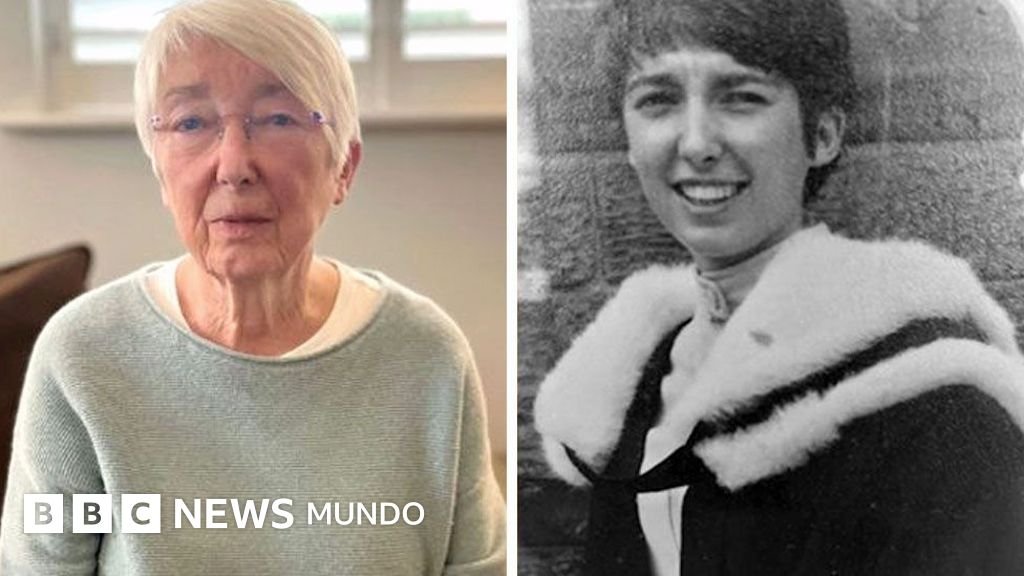
“They taped the electrodes to my arms and administered a series of shocks. I was drenched in sweat and shaking,” shared Pauline Collier, who was just 19 at the time. Now 80, she reflects on the traumatic experience.
Carolyn Mercer’s Revelation
Carolyn Mercer, who has always identified as a woman despite being assigned male at birth, recalls confessing her identity to a local priest. Sent to Blackburn Hospital for treatment, she described the experience as “a barbaric punishment, not a therapy.” At 17, she experienced the agony of electric shocks, encapsulating the horror of aversion treatments.
Institutional Failures
Many individuals subjected to this therapy were referred by teachers, doctors, or even courts, often without truly understanding the implications. Survivors reported not being given informed consent, and for some, disclosure to parents was actively discouraged.
Need for Acknowledgment and Apology
The investigation has prompted discussions about issuing formal apologies from both the government and the National Health Service (NHS). Chris Smith, the first openly gay member of the British Parliament, has been vocal about this issue, emphasizing that the forced application of such treatments is an affront to human dignity.
The Current Landscape of Conversion Practices
While the NHS committed to discontinuing electroshock therapy in England in 2017, conversion practices remain legal in some private settings, churches, and through certain therapists. Activists like Saba Ali have stressed that people continue to suffer in the name of such treatments, highlighting a pressing need for legislation to abolish these harmful practices entirely.
Conclusion
The legacy of electroshock aversion therapy is a stark reminder of past injustices inflicted on members of the LGBTQ+ community. As the UK government weighs the need for historical reckoning, it is crucial that we collectively strive towards a future where all individuals are treated with dignity and free from fear of discrimination or harm.
Key Takeaways
- Over 250 individuals in the UK underwent electroshock therapy aimed at altering their sexual orientation.
- Many survivors faced coercion and lacked informed consent during treatment.
- Calls for formal apologies from the government and NHS are growing stronger.
- Conversion practices are still legal in some areas, emphasizing the need for legislative action.