
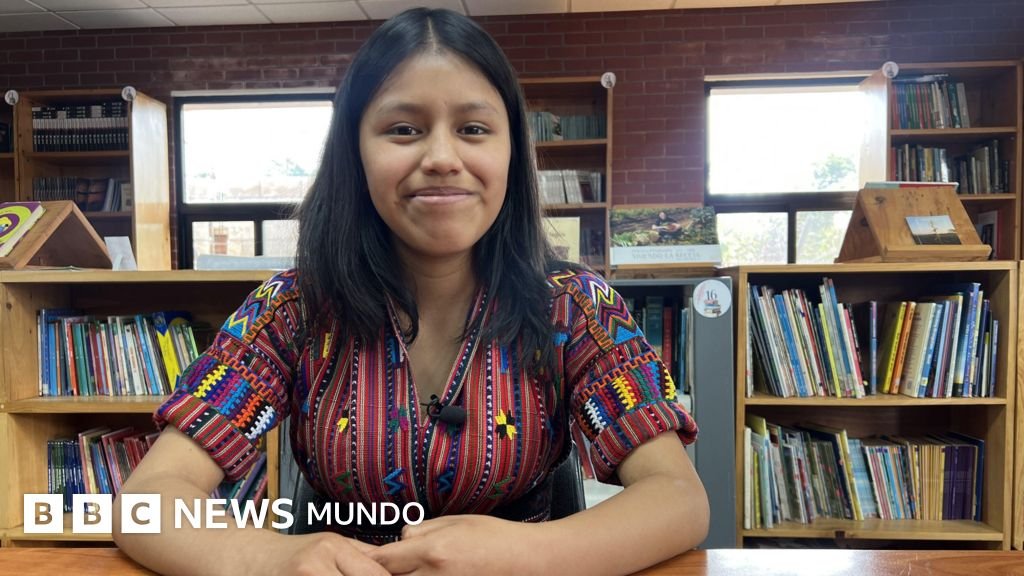
Empowering Indigenous Girls Through Education in Guatemala
In Guatemala, the journey of many young indigenous women is transformed by education—specifically, the Impact MAIA School, where each year fifty Maya girls are offered a chance to redefine their futures. The school not only aims to increase the dismal 1.5% completion rate of university education among indigenous women but also seeks to uplift families and entire communities.
Educational Oasis in Sololá
Located by the stunning Lake Atitlán and flanked by the majestic San Pedro Volcano, Sololá is renowned for its beauty. However, beneath the surface lies a stark reality: 96% of its inhabitants belong to Maya communities, with 75% living on less than $2 a day. It is here that the Colegio Impacto MAIA stands as a beacon of hope, offering more than 300 girls from 40 different communities a high-quality education that integrates leadership programs and socio-emotional training.
Raising Academic Standards
At MAIA, students are encouraged to stay for seven years, aiming to achieve at least 15 years of education and prepare themselves for university or formal work. The results speak for themselves; students score an impressive 86% on national math assessments compared to the national average of 13%. Currently, 60% of MAIA students are pursuing higher education, a remarkable achievement considering Guatemala invests only $841 per student annually—the lowest in 56 countries assessed.
The Challenges and Progress of Yazmín
More than half of indigenous girls in Guatemala become mothers by age 20, leading many to marry and have children as young as 15. Yazmín, a 14-year-old MAIA student, is determined to change that narrative. Coming from a public school where resources were limited and gender biases were prevalent, Yazmín felt sidelined; male counterparts received preferential treatment.
“Once you turn 15, they tell you, you’re ready to get married,” Yazmín shares about the societal pressures she faces.
Upon entering MAIA one year ago, Yazmín was behind in literacy and science. However, she is proud of the progress she has made, gaining foundational skills and confidence in her abilities. Most girls arrive at MAIA having missed educational milestones, often entering as early as ages 11 to 13 with skills equivalent to third or fourth grade.
To close this gap, MAIA implements an intensive leveling program, quickly getting girls up to speed. Educators also employ group dynamics and interactive games to enhance social skills and teamwork.
Home Life and Family Support
We visited Yazmín’s home during a family mentoring session, where community bonding was on display. Her parents, Carlos and María, greeted us warmly. Despite economic struggles that sometimes prevent access to education, they harbor a strong desire for Yazmín to graduate and carve out her own future.
“We want our daughter to graduate and become a professional. Education must come first,” says María.
Taking small financial steps with guidance from MAIA, the family started saving coins and even opened a bank account for collective savings, showcasing their commitment to Yazmín’s educational journey.
A Vision for the Future
Yazmín has clear aspirations. Besides pursuing a scholarship to study abroad, she dreams of building a comfortable home for her family. Yet, she understands the limitations her country poses.
“It’s almost impossible to thrive without leaving Guatemala due to the lack of opportunities and pervasive corruption,” she explains.
MAIA: Shaping Leaders
Founded in 2017, MAIA aims to provide elite educational opportunities for indigenous women from impoverished rural communities. The idea took root after witnessing how women, when given access to microcredit, invested in their families and communities, prompting the question, “What if these women had attended school instead?”
Since its inception, MAIA has attracted over 400 girls, with an annual intake of around 50. Each girl undergoes a rigorous selection process ensuring they are equipped to thrive in a supportive educational environment.
Recognition and Impact
Despite the challenges, MAIA’s commitment to education has garnered international recognition. In 2023, it was placed among the top 10 schools worldwide and received various awards highlighting its commitment to sustainable development. Furthermore, the Guatemalan Ministry of Education is beginning to adopt some of MAIA’s successful teaching strategies.
The Personal Story of Dulce
Dulce, a 17-year-old who has spent six years at MAIA, shares her journey with fondness, expressing that it feels like her second home. With a challenging childhood shaped by economic hardships and family struggles, education at MAIA turned out to be a life changer.
“I loved studying from a young age. When I started school here, I felt saved,” she recalls.
She noticed a significant pedagogical shift at MAIA, focusing on critical thinking instead of rote learning. Dulce plans to study accounting with aspirations to combat corruption.
The Road Ahead
Both girls, Yazmín and Dulce, represent the potential for a brighter future for indigenous women in Guatemala. By fostering confidence and empowering educational opportunities, MAIA is paving the way for young women to break the cycle of poverty and redefine their roles in society.
Conclusion
The journey of indigenous girls in Guatemala highlights the transformative power of education. Institutions like MAIA are not just changing individual lives; they are reshaping entire communities. As more girls gain access to education, the future holds promise not just for them but for generations to come.
Key Takeaways
- Impact MAIA School addresses gender and economic inequalities through education.
- Students achieve remarkable academic results, significantly above national averages.
- Family support and community involvement are crucial to students’ success.
- The model employed by MAIA is gaining international recognition and interest from governmental bodies.