
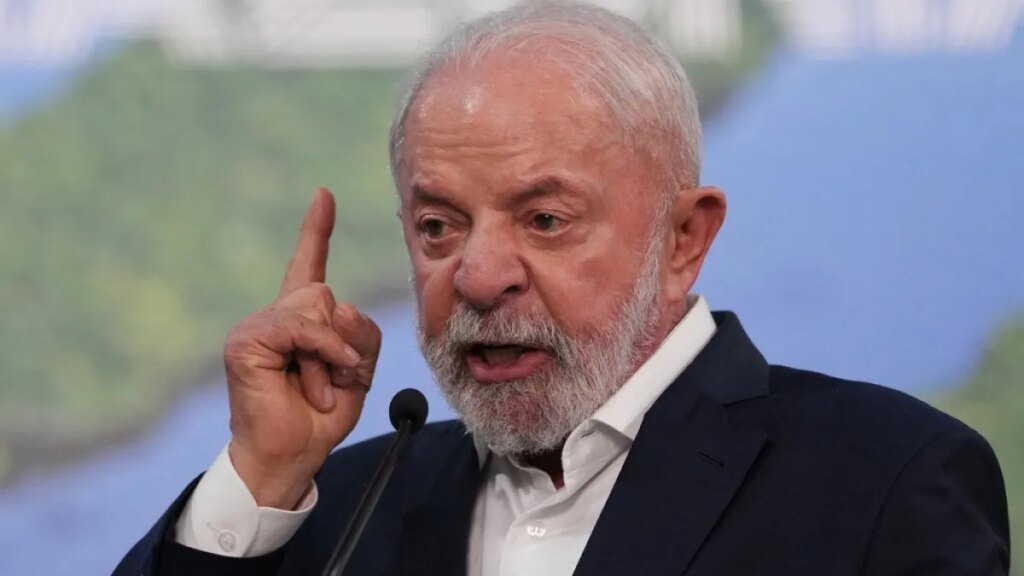
Brazilian President Urges Action on EU-Mercosur Trade Deal
Brazilian President Luiz Inacio Lula da Silva has expressed strong concerns regarding the future of a significant trade agreement between the Mercosur bloc and the European Union. As Italy recently joined France in requesting delays on this long-anticipated deal, Lula has warned that time is running out to finalize it.
Major Concerns Raised
During a cabinet meeting on Wednesday, Lula emphasized that if swift action isn’t taken, Brazil will not engage in any new agreements under his administration. His comments followed Italy’s announcement that it would not be ready to support the pact, echoing similar sentiments from France.
The Broad Implications of the Deal
This agreement, which has been in the making for over two decades, has garnered significant backing from countries like Germany, Spain, and various Nordic nations. As global competition rises, particularly from China and with new tariffs imposed by the United States, the urgency to diversify trade routes becomes more critical.
The agreement aims to facilitate increased exports from the EU to Latin America, including vehicles, machinery, and wines, while simultaneously allowing for a flow of products such as beef, sugar, and soybeans from South America to Europe.
France and Italy’s Position
France has been vocal about its desire to delay the vote to approve the deal, and Italy’s Prime Minister Giorgia Meloni supported this stance on Wednesday. She indicated that several safeguards needed for Italian farmers are not yet finalized, labeling it “premature” to advance the agreement at this juncture. Nonetheless, Meloni assured that Italy is not against the deal in principle and remains optimistic about rectifying concerns for a potential signing next year.
Meanwhile, French President Emmanuel Macron reiterated his government’s firm opposition to any efforts to hastily push the agreement through. Nations like Hungary and Poland have also shown hesitancy towards the agreement.
Germany Pushes for Approval
In contrast, German Chancellor Friedrich Merz is advocating for a swift approval of the deal, labeling it a crucial test of the EU’s capability to act decisively.
Recent Developments in Agricultural Safeguards
To address growing concerns, the EU reached a provisional agreement on Wednesday aimed at enforcing stricter controls on agricultural imports. This initiative comes amid rising protests from farmers. Under this new framework, investigations will be initiated if the volume of imports exceeds an 8% annual growth rate, or if prices drop by a similar margin in any EU member state.
EU leaders are set to discuss this situation during an upcoming summit in Brussels, as hopes for the trade deal linger.
Conclusion
The future of the EU-Mercosur trade agreement hangs in balance, with significant political will needed to overcome the current hesitations from key member states. With Brazil’s president firmly stating that action must be taken now, the dynamics of international trade are poised to rapidly evolve in the coming months.
Key Takeaways
- Brazil’s president warns of potential abandonment of the EU-Mercosur trade deal.
- Italy and France express readiness to delay agreement approval over agricultural concerns.
- The deal, aimed at fostering trade between Europe and South America, has widespread implications.
- Stricter agricultural safeguards have been proposed by the EU to address farmers’ protests.