
Exploring the Biodiversity of the Santiago River in Ecuador
In the depths of the Amazon, the Santiago River reveals one of its best-kept secrets: a unique ecosystem teeming with previously undocumented fish species. Recently, a journey led us to Kaputna, an indigenous community where locals collaborated with scientists to explore these hidden aquatic treasures.
The Journey to Kaputna
As we climbed into a wooden canoe rocking gently on the murky waters of the Santiago River, anticipation buzzed in the air. Until now, scientists were unaware of the variety of fish that thrived in this part of the river, making it an untouched frontier of biodiversity.
A Community of Discovery
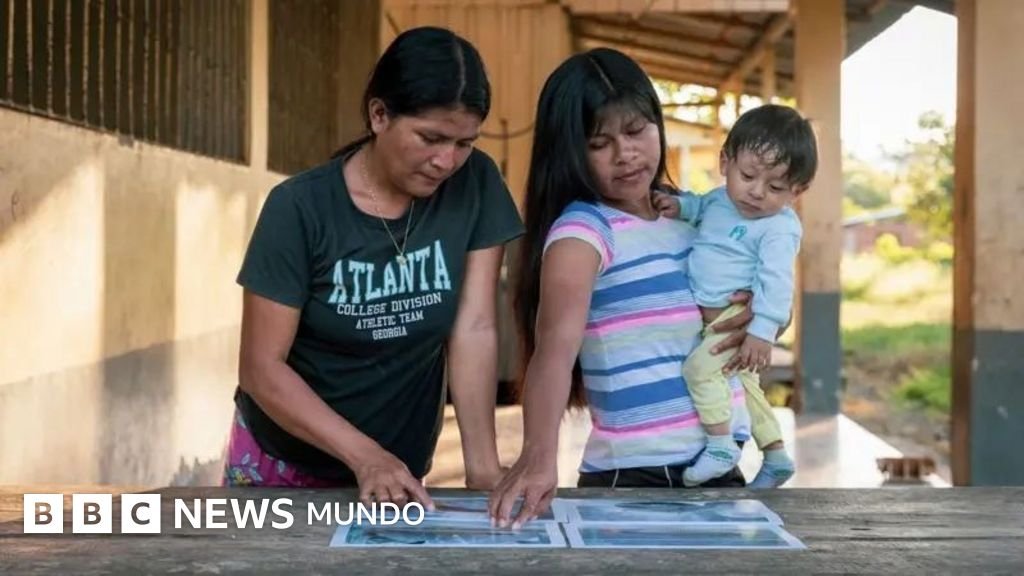
Kaputna, home to 145 members of the Shuar nation, is enveloped by pristine jungle where wildlife such as jaguars and pumas roam freely. Despite Ecuador’s reputation as a hotspot for freshwater fish biodiversity, experts noted a shocking lack of information on its species in 2021, highlighting the urgent need for research.
Filling the Research Gap
Thanks to the residents’ efforts, this gap is closing. They have uncovered numerous fish species camouflaged by the river’s swirling shadows. From 2021 to 2022, a blend of traditional and scientific knowledge enabled the indigenous community to identify nearly 144 species, five of which were not previously recorded in Ecuador.
“Their understanding of the territory is crucial in discovering new species,” says biologist Jonathan Valdiviezo about the local community’s involvement.
The Significance of Local Knowledge
The exceptional contributions of Kaputna’s fishermen, like Germán Narankas, have been documented in a scientific article detailing their findings. Fernando Anaguano, lead author of the study with the Wildlife Conservation Society, emphasized the importance of acknowledging local collaborators in scientific publications.
Legends of the River
Local legends warn that before motorboats, travelers would mysteriously vanish along the river. This phenomenon gave Kaputna its name, meaning “area where the river flows rapidly.” Reaching this remote community required a 10-hour drive from Quito to Tiwintza, followed by a boat ride that challenged even the most seasoned adventurers.
Hands-On Experience
Upon arrival, Narankas greeted us, prepared for a long day under the scorching sun. The heat was intense, with temperatures already soaring to 35°C. We boarded his gasoline-powered canoe, the lifeline to Kaputna, as Narankas shared his intimate knowledge of the river and its inhabitants.
Fishing in Clear Waters
As we traveled deeper into the jungle, we arrived at the Yaupi River, a favorite fishing spot for locals known for its clear waters, free from the pollution affecting many other Amazonian rivers.
The Excitement of Discovery
With his fishing net in hand, Narankas skillfully cast into the river. Each catch sparked excitement, especially when he pulled up a “carachama,” a species of catfish measuring around 10 cm long. This fish is a member of the Loricariidae family and exhibits distinctive sucking mouth adapted to cling to rocks.
Unexpected Finds
During the study, a new species called Peckoltia relictum was found, measuring approximately 15 cm and characterized by its suction cup-like mouth and plated body. For the community, every catch brought new knowledge and excitement.
Unraveling the Mystery
The partnership between local fishermen and biologists unveiled the rich, unexplored biodiversity of the Santiago River. Anaguano, with over a decade of experience, noted the region’s remoteness had left it largely untouched in scientific circles.
Major Findings
Previous research had recorded around 143 fish species throughout a much larger area; however, the Kaputna study identified 144 species in a mere 21 square kilometers. Notably, 77 of these had never been documented before in the Morona Santiago region, representing about 17% of all freshwater fish species in Ecuador.
The Importance of Conservation
The biodiversity within Amazonian rivers is at severe risk. A report indicated an alarming 81% decline in freshwater fish populations globally over the last 50 years, with Latin America facing an even steeper decline of 91%.
A Future of Education and Conservation
For Narankas, being part of this discovery has ignited a passion for education. Recently returning to secondary school, he aspires to study biology and continue exploring the wonders of the Santiago River.
Conclusion
The collaborative explorations along the Santiago River not only enrich scientific understanding but also empower indigenous communities, ensuring their deep-rooted connection to the land and its ecology is recognized.
Key Takeaways
- Kaputna community contributes essential knowledge to biodiversity research.
- In collaboration with scientists, 144 fish species were identified in the Santiago River.
- Local legends underscore the importance of the region’s natural history.
- Conservation of freshwater species is critical for ecological balance and indigenous food security.