
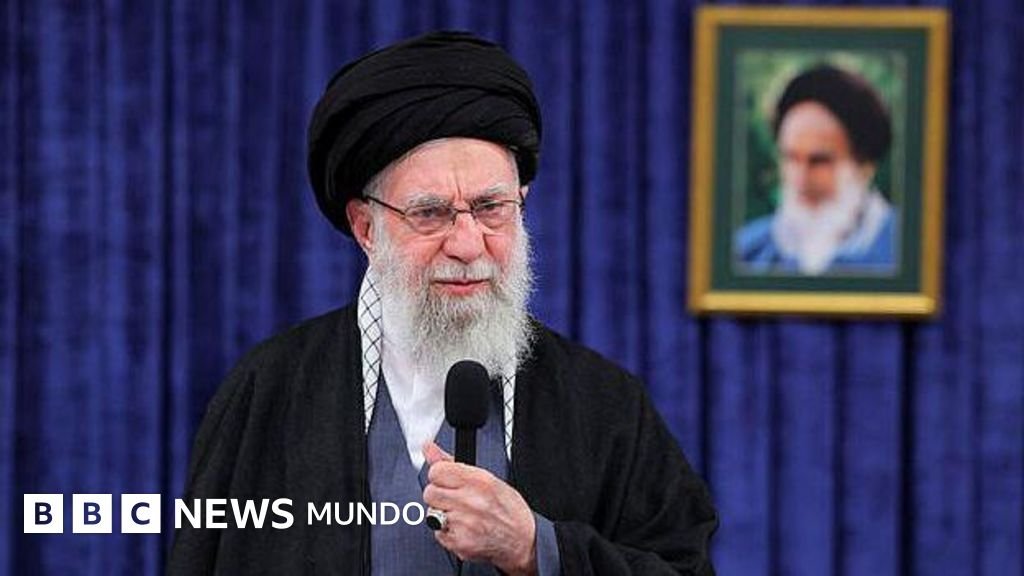
Key Events Following the Death of Iran’s Supreme Leader
The recent events surrounding the death of Iran’s Supreme Leader, Ayatollah Ali Khamenei, have sent shockwaves through the nation and the world. In a surprising turn of events, the attack that resulted in his death occurred in broad daylight, rather than at night as one might expect. This strategic decision came about after the United States and Israel acted on critical intelligence obtained just hours prior.
Timing and Execution of the Attack
Months prior, intelligence agencies from the U.S. and Israel meticulously tracked Khamenei’s movements, pinpointing a moment when high-ranking Iranian officials would be convening. On the morning of the attack, Khamenei was located at a complex in central Tehran, with other military and intelligence leaders also identified in the vicinity.
The exact methods utilized for this intelligence gathering remain classified, but hints were dropped by former President Donald Trump on social media, suggesting that their sophisticated tracking systems had played a crucial role. While human intelligence sources may be involved, it’s likely that technical tracking enabled the understanding of key individuals’ locations.
During a recent conflict last June, intelligence from Israel targeted Iranian scientists and officials linked to the nuclear program, employing advanced communication systems to monitor personnel movements. This included sometimes tracking the movements of bodyguards associated with senior officials.
The Element of Surprise
Although Iran was aware that Khamenei might be targeted, the failure to identify and address vulnerabilities suggests either a significant lapse in their security protocols or a display of Israel and the U.S.’s evolving capabilities to adapt and find innovative tracking techniques.
Interestingly, the timing of the attack—in broad daylight—might have been underestimated by Iranian security, who perhaps considered such an operation less likely to occur in the open. Reports indicate that the intelligence behind the operation was provided by the CIA and subsequently relayed to Israel for execution.
Coordinated Attack Strategy
The strategy behind the attack appears to involve a division of responsibilities: Israel focusing on high-profile leaders while the U.S. targets military objectives. Intelligence detail was sufficient to anticipate the movements of Khamenei and other officials, allowing for a planned strike using long-range missile-capable aircraft.
Rather than a single strike on Khamenei, the plan entailed initiating a wider military campaign, which was expedited to take advantage of the opportunity presented. It’s unclear from where the Israeli aircraft launched their strike, which typically takes about two hours to reach Tehran. However, they reportedly deployed around 30 bombs targeting the complex where Khamenei was located at approximately 9:40 AM local time.
Given that Khamenei utilized a subterranean bunker for protection, multiple strikes may have been necessary to ensure that targets were effectively hit, though the bunker was not among the deepest shelters used by the regime. Additional areas in Tehran were also hit, including the office of President Masoud Pezeshkian, who later confirmed his safety post-attack.
Casualties and Implications
In Israel’s account, seven high-ranking Iranian defense officials were reported among the casualties, including Secretary of the Supreme National Security Council Ali Shamkhani, Brigadier General Aziz Nasirzadeh, and General Mohammad Pakpour, the commander of the IRGC.
At the time of the airstrikes, Trump and key advisors were monitoring developments from Mar-a-Lago, Florida. However, it took hours for confirmation of Khamenei’s death to reach them. In light of this incident, Iran had already begun preparing for potential succession plans, not only for Khamenei but for various senior officials as well. This raises questions about the future trajectory of conflict in the region.
Conclusion
The death of Ayatollah Ali Khamenei marks a pivotal moment in Iranian history and international relations. As the repercussions unfold, the world will watch closely to see how Iran navigates this leadership vacuum and what strategies will be employed by both domestic and foreign actors moving forward.
- The attack on Iran’s Supreme Leader occurred in broad daylight, leveraging new intelligence.
- Israel and the U.S. maintained a division of tasks focusing on different targets.
- Khamenei’s death raises questions about Iran’s future leadership and potential conflicts.
- Iran appeared unprepared for such a daylight attack, indicating vulnerabilities in their security.