
The Role of Yakult Ladies in Japan’s Aging Society
In Japan, an aging population is leading to rising concerns about isolation among the elderly. This article explores the unique role of Yakult Ladies, who not only deliver probiotic beverages but also foster community connections, providing companionship and support in a rapidly changing social landscape.
An Unexpected Cycle of Care
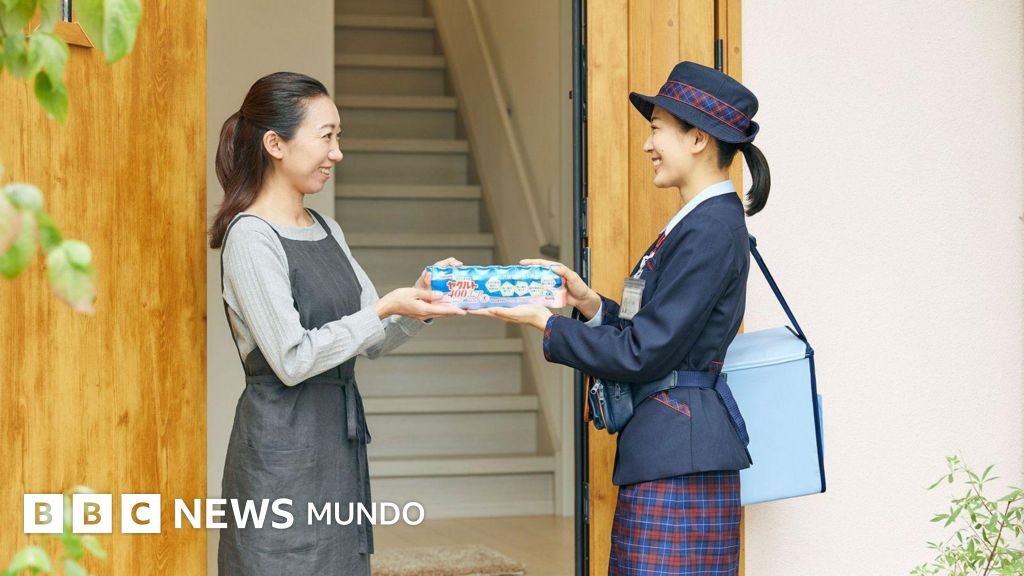
Imagine a woman in a stylish navy blue suit cycling through a calm residential area in Tokyo. It’s 8:30 in the morning, and the warmth of summer is already evident. With a coordinating visor shielding her from the sun, she reaches her first stop—a quaint wooden home adorned with flower pots on either side. An elderly woman greets her at the door, her face lighting up with a big smile; she has been anticipating this visit.
Japan has one of the fastest-aging populations among major economies, with nearly 30% of its citizens over the age of 65. The rise in single-person households is prompting serious concerns about loneliness and social isolation. In this climate, Yakult Ladies have emerged as an unexpected source of community support.
A Blend of Delivery and Connection
Recognizable by their small bottles and bright red caps, Yakult’s probiotic drink was first introduced in Japan 90 years ago, long before the concept of the microbiome became popular. While primarily known for their product, the women who deliver these drinks have become integral to the brand’s identity.
The inception of this initiative was quite unanticipated. Initially, when Yakult was launched in 1935, the concept of consuming ‘bacteria’ was not appealing. To promote the product, the company recruited women from local communities to serve as door-to-door sales representatives, thereby creating a strong sales channel.
The Yakult Lady System
By 1963, the formal “Home Sales Network for Women” was established, now known as the Yakult Lady system. These women are easily identifiable in their blue uniforms with plaid red trim, as they navigate their neighborhoods by bike, motorbike, on foot, or in cars, making multiple deliveries each day.
Many Yakult Ladies like Satoko Furuhata appreciate the flexibility of this work arrangement, allowing them to manage both their jobs and family life. Furuhata, who has served in this role for 25 years, elaborates on her routine: “I work Mondays, Tuesdays, Thursdays, and Fridays, which helps me maintain a healthy balance between work and leisure.”
Building Bonds Through Consistency
For over 25 years, Furuhata has visited the same 83-year-old client weekly, providing not just a beverage but a cherished connection. The elderly woman, who prefers to remain nameless, expresses how comforting it is to know someone will come to see her each week. Their routine of discussing families, gardening, and local news is not trivial; it serves as a vital lifeline and a reminder that she is not alone.
Health Benefits of Yakult
Yakult is a fermented milk drink that contains a specific strain of beneficial bacteria developed by Dr. Minoru Shirota in the 1930s. His dedication to studying disease prevention and beneficial microorganisms laid the groundwork for understanding gut health. However, when Yakult first hit the market, it faced skepticism. It took years for the drink to gain acceptance, but by the 1970s, the company reported soaring sales, and parents were advocating its health benefits to children.
As interest in the gut microbiome has surged worldwide recently, the link between a balanced gut and emotional well-being has garnered attention. Stress and chronic loneliness can have detrimental effects on gut health, further underscoring the importance of social interactions.
A Homely Watchdog
The Yakult Ladies might not have been designed as a public health initiative, but their social impact has become increasingly significant. For many of their clients, their weekly presence contributes to a healthier routine—providing both product and vital social interaction.
Given that Japan is projected to see nearly 11 million seniors living alone by 2050, the risk of loneliness is more prevalent than ever. Terms like “kodokushi,” which translates to “lonely death,” reflect the severity of the issue. Despite this, Yakult Ladies play a crucial role in combating this crisis, often doubling as caregivers.
Asuka Mochida, a Yakult Lady from Gunma, takes pride in her contribution: “We’re not just sellers; we’re caregivers. We notice changes in our clients’ health or lifestyle.” These women become familiar faces in neighborhoods, serving not just beverages but emotional support and community connection.
Conclusion
In Japan, where demographic changes are wreaking havoc on traditional social structures, Yakult Ladies serve not just as delivery persons but as beacons of hope and community. This unique blend of product distribution and social connectivity showcases the profound impact of seemingly small interactions. Ultimately, their presence helps alleviate loneliness and enhances the quality of life for countless elderly individuals.
- Yakult Ladies help combat loneliness among Japan’s aging population.
- The initiative began 90 years ago and has grown into a vital social infrastructure.
- Regular visits provide both companionship and health support to elderly clients.
- The Yakult system showcases the interplay between product sales and community care.