
EU Approves Major Loan to Support Ukraine
The European Union has made a significant move by agreeing to provide Ukraine with a loan amounting to $105 billion. This decision comes after extensive negotiations among EU leaders, who faced challenges in reaching a consensus regarding the use of frozen Russian assets. The deal aims to address Ukraine’s military and economic needs over the next two years, showcasing the EU’s commitment to supporting the nation in its time of crisis.
The Agreement Details
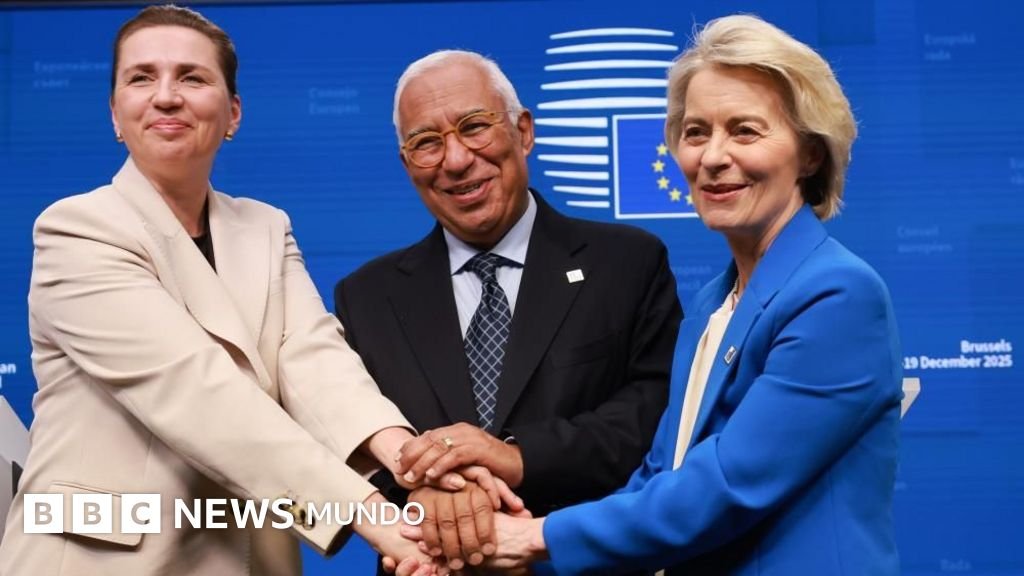
During a summit in Brussels, EU leaders came together to finalize the loan, with European Council President Antonio Costa stating, “We committed and we kept our word” on the financing backed by the EU’s common budget. Ukrainian President Volodymyr Zelensky had previously urged the bloc to utilize nearly €200 billion (approximately $234 million) in frozen Russian assets. However, Belgium, which holds most of these funds, demanded assurances regarding financial responsibility distribution—an expectation that some member states found unacceptable.
Reactions from Leaders
Following the announcement, Zelensky expressed gratitude to the European leaders, referring to the agreement as a “significant support” that truly enhances Ukraine’s resilience. He emphasized the necessity of keeping Russian assets “frozen” and thanked the EU for its unity in this crucial moment.
Meanwhile, French President Emmanuel Macron voiced the importance of re-engaging in dialogue with Russian President Vladimir Putin, stating, “I believe it’s beneficial for both Europeans and Ukrainians to find an appropriate framework for resuming talks.” He suggested that Europeans should work towards establishing this framework in the upcoming weeks.
Stability Over Chaos
Belgian Prime Minister Bart De Wever commended the EU leaders for averting “chaos and division” by choosing to fund the loan through borrowing rather than utilizing frozen Russian assets. “We remained united,” he emphasized.
Annual Economic Needs
Ukraine is facing the impending risk of liquidity issues, with Zelensky warning that without an influx of funds before spring, the country might have to cut back on drone production. The EU estimates that Ukraine will require an additional €135 billion over the next two years to sustain its economy, with financial constraints becoming apparent as early as April.
German Chancellor Friedrich Merz, who had supported using frozen assets, mentioned that the final decision on the loan “sends a clear message” to Putin. Although Russia had cautioned European leaders against using its funds, Polish Prime Minister Donald Tusk asserted the importance of acting responsibly in the current situation.
A Lifeline Amidst Ongoing Negotiations
This agreement offers a crucial lifeline for Kyiv as discussions surrounding a peace plan continue, especially with U.S. President Donald Trump advocating for a prompt resolution to the conflict sparked by Russia’s actions. U.S. and Russian officials are scheduled to meet this weekend in Miami to further negotiations. Kremlin envoy Kirill Dmitriev is expected to engage with Trump’s representatives, including Steve Witkoff and Jared Kushner.
In the meantime, Zelensky announced that Ukrainian and American delegations would have new talks on Friday and Saturday in the U.S. He highlighted his anticipation for Washington to provide further details on the assurances it can offer to protect Ukraine from potential future invasions.
Conclusion
The EU’s commitment to providing financial support to Ukraine marks a significant step in the ongoing efforts to bolster the nation’s resilience as it faces unprecedented challenges. As international discussions continue, the focus remains on establishing stability and finding a pathway to peace.