
Lucknow: A Culinary Gem Awarded UNESCO Status
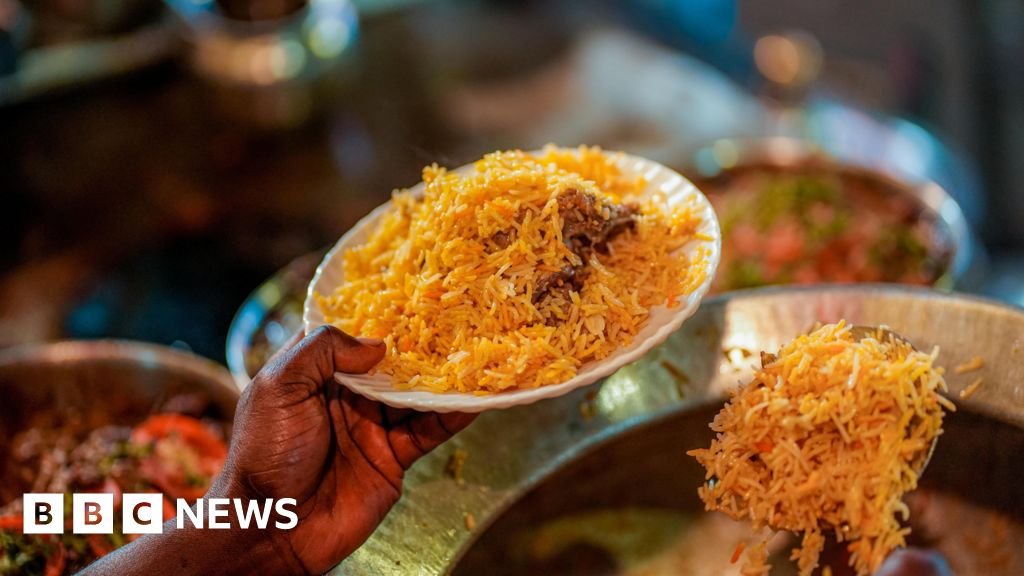
Known for its tantalizing kebabs and aromatic biryani, the northern Indian city of Lucknow has officially received recognition as a Creative City of Gastronomy from UNESCO. This honor not only affirms the city’s rich culinary heritage but also sheds light on its vibrant food scene, promising to attract more food enthusiasts to its delightful offerings.
A Testament to Culinary Heritage
Lucknow’s designation as a Creative City of Gastronomy adds it to an exclusive group of over 400 cities across more than 100 countries. This network is committed to advocating for creativity as a catalyst for sustainable urban development. According to Tim Curtis, a representative from UNESCO, this recognition serves as a testament to Lucknow’s deep-rooted culinary traditions and its dynamic food ecosystem.
Celebrated chef Ranveer Brar echoed this sentiment, emphasizing that this acknowledgment was overdue, stating, “Better late than never. It should have come before.” For the residents, this accolade signifies a long-awaited spotlight on their beloved city’s culinary passion.
The Flavorful Heart of Awadh
Culturally rich and historically significant, Lucknow, also known as the City of Nawabs, boasts a cuisine that is both diverse and profoundly rooted. The culinary evolution in this region has birthed dishes that blend Persian influences with local Indian styles, particularly evident in its renowned kebabs and biryanis.
The legendary mutton galouti kebabs, famous for their melt-in-the-mouth texture, were reportedly created for a nawab who found chewing difficult due to old age. His chefs crafted these delicacies so finely that they required no chewing, highlighting the artistry of Lucknow’s culinary scene.
Lucknow is distinguished by its unique Dum pukht cooking method, where meals are prepared on low heat under tightly sealed pots. This technique gained popularity during the 18th century under the reign of Nawab Asaf-ud-Daulah, during a time of famine when he initiated a program to provide food through work. The delicious aromas wafting from these pots caught his attention, cementing the Dum technique as a staple in Awadhi cuisine.
A Feast for All
But Lucknow isn’t limited to just non-vegetarian dishes. The local cuisine caters to vegetarian tastes as well, enriched by the offerings from the Baniya community that makes the most of seasonal produce. This contributes to a range of delightful sweets and street foods, including the ever-popular chaat.
The city itself is dotted with quaint shops and bustling street stalls, often frequented by locals. One of the most popular spots is the Sharmaji Tea Stall in Hazratganj, where early risers gather for a cup of steaming masala chai served in traditional clay cups, accompanied by soft buns slathered in homemade butter. Established in 1949, this establishment has become a local landmark.
Preserving Culinary Traditions
For breakfast, no visit would be complete without a stop at Netram, a modest eatery that has been serving mouthwatering kachoris and jalebis since 1880. The sixth-generation owners ensure that the recipes remain true to their heritage. Anmol Agarwal, along with his sons, is deeply committed to preserving this culinary legacy, expressing his passion for the family’s craft, stating, “This runs in my blood. There is nothing else I would rather do.”
Among its seasonal selections, Lucknow offers unique treats like makkhan malai, a delightful cloud-like dessert enjoyed especially in winter. The preparation is a precise art that involves hand-churning milk exposed to dew overnight to achieve a frothy texture, a process that is not only complex but also rich in tradition.
Future Outlook
Chef Brar posits that the real impact of UNESCO’s recognition will unfold if Lucknow can blend the allure of its well-known spots with lesser-explored culinary treasures. Madhavi Kukreja from Sanatkada Trust added that every dish tells a unique story as products of generational businesses, from humble street vendors to thriving restaurants.
With this international acclaim, both locals and visitors alike hope more people will explore the culinary stories and flavors of Lucknow, ultimately prompting a new wave of appreciation for its gastronomic delights.
- Lucknow has been designated a UNESCO Creative City of Gastronomy.
- The city’s culinary heritage includes famous dishes like galouti kebabs and biryani.
- Local eateries play a crucial role in preserving traditional recipes and craftsmanship.
- The unique Dum pukht technique is integral to Lucknow’s esteemed cooking methods.