
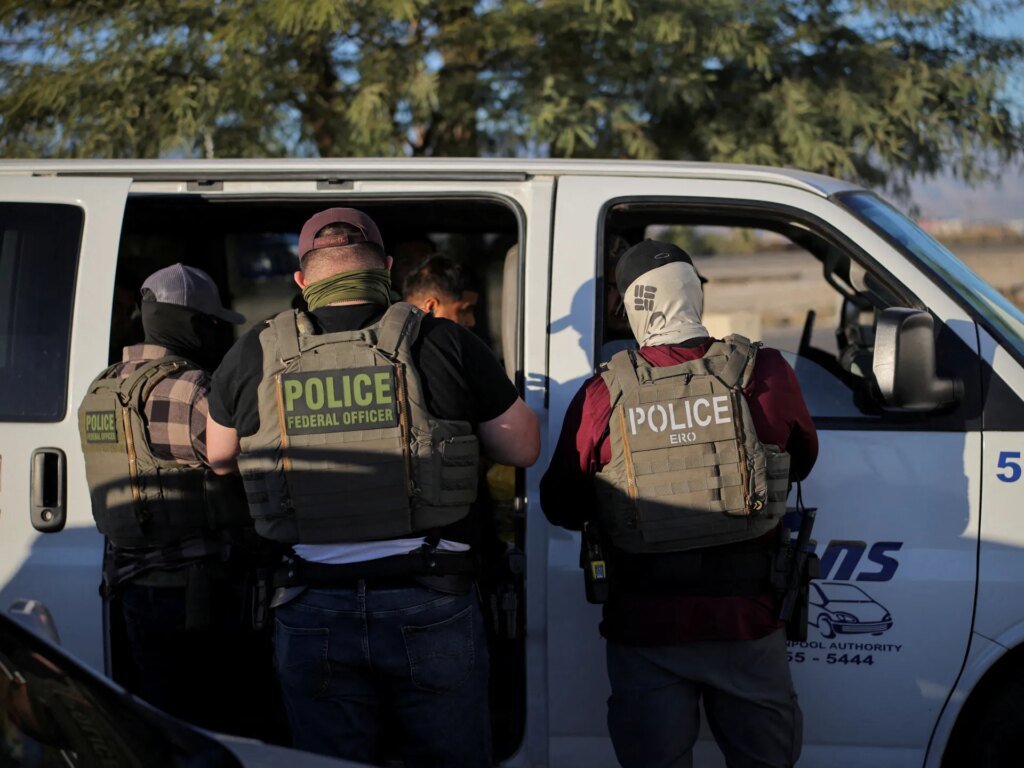
Court Blocks Trump Administration’s Move to End Protections for South Sudanese Citizens
In a significant legal ruling, a federal judge has intervened to protect South Sudanese citizens residing in the United States from potential deportation. This comes as the Trump administration sought to revoke temporary protected status (TPS) for these individuals, arguing that conditions in South Sudan have improved. However, the court’s decision reflects ongoing concerns about the humanitarian situation in the country.
Overview of the Court’s Ruling
U.S. District Judge Angel Kelley, based in Boston, granted an emergency request following a lawsuit filed by South Sudanese nationals alongside an immigrant rights organization. The ruling prevents the TPS for South Sudanese citizens from expiring on January 5, as sought by the Trump administration.
The lawsuit was primarily spearheaded by African Communities Together, which contends that the Department of Homeland Security (DHS) acted unlawfully in trying to revoke the status that ensures protections for citizens of nations facing severe crises.
Background on Temporary Protected Status
TPS for South Sudan was established in 2011 when the nation gained independence from Sudan. The status has been renewed multiple times due to the ongoing conflict, mass displacement, and instability that has plagued the region. It provides eligible individuals the ability to live and work in the U.S. without the fear of deportation.
Critics argue that ending TPS would expose South Sudanese nationals to dangerous conditions in a country currently facing what many classify as one of the worst humanitarian crises globally. The Trump administration’s push to end these protections has raised alarm bells among advocates for immigrant rights.
Administration’s Justification and Contradicting Reports
Homeland Security Secretary Kristi Noem claimed in a notice issued on November 5 that South Sudan no longer met the criteria for TPS due to “renewed peace” and improved relations. This assertion refers to a fragile peace agreement established in 2018. However, this viewpoint is sharply contradicted by a report from a United Nations panel of experts. They noted that while the dynamics of the conflict might have shifted, the dire humanitarian conditions have not improved, citing rampant food insecurity and the threat of famine due to ongoing conflicts and natural disasters.
The Broader Context of TPS in the Trump Administration
The Trump administration has made efforts to limit TPS overall, targeting nationals from various countries, including Syria, Venezuela, Haiti, Cuba, and Nicaragua. These actions have sparked numerous legal challenges, further complicating the landscape for immigrant protections in the U.S.
In addition, there have been efforts to deport individuals to nations in Africa, even if they lack significant ties to those places, intensifying the stakes for affected communities.
Conclusion
This judicial intervention highlights the persistent uncertainties faced by South Sudanese citizens in the U.S., as well as broader issues surrounding immigration policy in the Trump era. The court’s decision to maintain TPS protection underscores continuing apprehensions about the situation in South Sudan.
- A federal judge has halted the Trump administration’s attempt to end TPS for South Sudanese citizens.
- The TPS program was first established in 2011 due to ongoing conflicts and humanitarian crises in South Sudan.
- Homeland Security’s claims of improved conditions are challenged by reports from UN experts.
- The administration’s broader focus on curtailing TPS has led to numerous legal battles across the country.