
Japan Leads the Way in Deep-Sea Rare Earth Element Exploration
Japan has made a groundbreaking announcement regarding the discovery of rare earth elements at unprecedented ocean depths. This pioneering effort aims to secure valuable resources while decreasing reliance on current suppliers.
On February 2, 2026, the Japanese government revealed that a deep-sea mission in the Pacific Ocean successfully retrieved sediment containing rare earths from depths reaching 6,000 meters (approximately 20,000 feet). As part of a larger strategy to bolster its mineral supply, Tokyo is intensifying its initiatives to explore and mine deep-sea deposits.
Significance of the Discovery
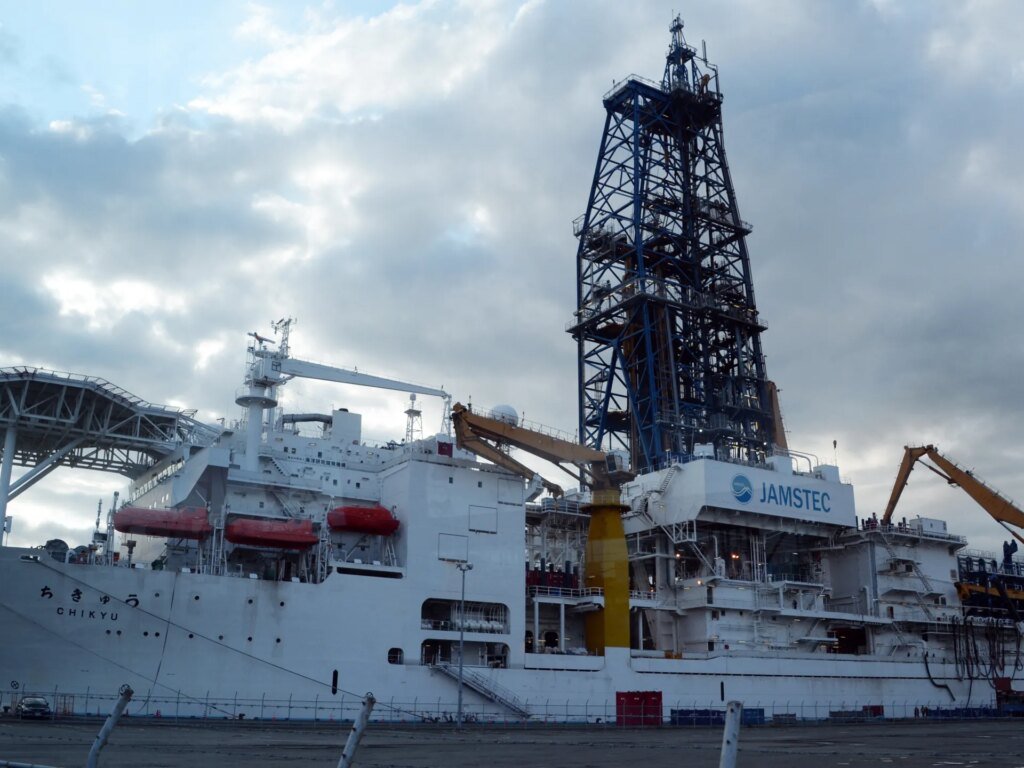
Government spokesperson Kei Sato emphasized the achievement’s importance, stating that retrieving these sediments represents a significant milestone for both economic security and comprehensive maritime development. The sediment sample was collected by the Japan Agency for Marine-Earth Science and Technology (JAMSTEC) and is currently being analyzed to determine the quantity of rare earths it contains.
Science and Technology Minister Yohei Matsumoto shared on social media that the research vessel Chikyu had successfully collected what is referred to as “rare earth mud.” The vessel initiated its mission from Minami Torishima, an isolated Pacific island believed to host a rich deposit of precious minerals.
The area surrounding Minami Torishima falls within Japan’s economic zone and is estimated to harbor over 16 million tonnes of rare earth elements, making it the third-largest reserve globally, according to reports.
Strategic Partnerships and Geopolitical Tensions
In a separate development, Japan entered into an agreement with the United States late last year to enhance coordination in securing rare earth supplies. Both nations are keenly aware of China’s dominance over global reserves and their potential ramifications for international relations.
Japan remains particularly concerned about the possibility of China, the largest supplier of rare earths, limiting exports amid rising diplomatic tensions. Their fears intensified when Prime Minister Takaichi suggested a military response might be necessary if China were to take aggressive action regarding Taiwan.
Currently, Japan sources approximately 70 percent of its rare earths from China, which has raised alarms within its government. Notably, China responded to Takaichi’s comments by blocking exports of specific “dual-use” items that could have military applications.
Rare earth elements are a crucial component in a wide array of modern technologies, including electric vehicles, hard drives, wind turbines, and defense systems. With JAMSTEC’s recent mission marking potentially the first attempt to tap into deep-sea rare earth deposits at such depths, Japan is positioning itself as a leader in this critical resource battle.
Conclusion
Japan’s discovery of rare earth elements at unprecedented ocean depths underscores the nation’s commitment to economic security and resource independence. This historic exploration may shift the dynamics of rare earth supply chains and reshape international partnerships in the coming years.
- Japan announces the discovery of rare earths at depths of 6,000 meters.
- The mission aims to reduce dependence on Chinese mineral supplies.
- Japan holds an estimated 16 million tonnes of rare earths near Minami Torishima.
- Strategic partnerships with the United States are being solidified amidst global tensions.