
Japan’s Bear Encounters Surge: A Year of Increasing Encounters and Evolving Challenges
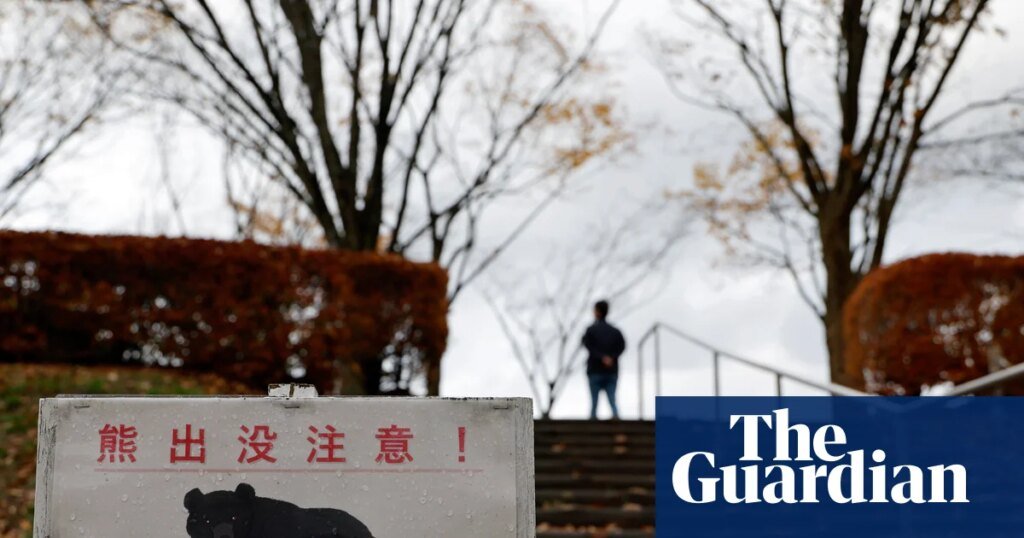
In a year marked by an extraordinary rise in bear sightings and encounters, the residents of Osaki were unsurprised when “bear” was declared Japan’s kanji character of the year. Known for its stunning Naruko Onsen hot springs and enchanting autumn foliage, this northeastern town of 128,000 has gained notoriety for becoming a bear hotspot, reflecting a nationwide trend of unprecedented ursine interactions.
Community Concerns Amidst Unprecedented Encounters
This year has brought a wave of anxiety among Osaki’s residents due to a significant increase in bear sightings, which have soared to over 400 compared to just under 100 in the previous year. Kazuhide Otomo, an official with the town’s rural environment development division, noted, “This year has been particularly bad. It’s the biggest topic of conversation.” Such concerns have translated into lower tourist numbers, as potential visitors are spooked by the heightened risk.
Safety Precautions for Outdoor Enthusiasts
As autumn colors beckon hikers to Osaki’s picturesque forests, local tourism offices are taking precautions seriously. Visitors receive multilingual reminders on how to stay safe from bear encounters while hiking, with many venturing out equipped with suzu bells and bear repellent.
Local establishments like Satoru Onoma’s coffee shop are feeling the impact of the ongoing bear narrative. “It’s hard to ignore the issue because it’s been everywhere in the news,” he said, although he personally has not encountered bears. Residents share harrowing stories—such as a woman injured while picking vegetables and reports of bears stealing pets—compounding the town’s anxieties.
Rising Bear Population and Its Consequences
This ongoing crisis is not confined to Osaki but is felt nationwide, particularly in Japan’s northern prefectures. Experts attribute the rise in interactions to a growing bear population estimated at 44,000 Asian black bears—a jump from 15,000 in 2012. Compounded by inadequate food sources from poor acorn and beechnut crops, bears are increasingly encroaching on urban areas seeking sustenance.
The environment ministry has reported 197 bear attacks across the country, with a troubling count of 13 fatalities between April and November. These alarming statistics serve as a stark reminder of the urgent need for comprehensive wildlife management strategies to address the issue of bears mingling with humans.
The Unique Context of Osaki
Building up to 2026, there’s cautious hope among the locals for a potential decrease in bear interactions due to anticipated natural food availability, which—according to historical patterns—may lead to fewer hungry bears roaming their towns. However, this cycle underscores a troubling possibility: if the pattern persists, next year could bring back heightened encounters and fear.
Future Outlook on Wildlife Management
With calls for broader wildlife management policies, experts emphasize that the rise in bear encounters reflects issues beyond isolated rural incidents. Osaki’s local governance has declared a state of emergency, emphasizing precautionary measures to curb interactions and encourage safer practices among residents. “Bears are clever animals,” Otomo remarked. If they find accessible food sources, they will return, further blurring the lines between human habitation and their natural habitats.
The prefecture’s governor has taken steps to involve self-defense forces to manage the situation, aiming to alleviate public concerns as the number of bear-related events continues to rise even in winter. As the community navigates this complex interaction with wildlife, the balance of protecting residents and preserving natural bear habitats will be critical in ensuring safety for all.
- Osaki has seen a dramatic rise in bear sightings, with over 400 reported this year.
- Experts link the surge in encounters to a growing bear population and poor food sources.
- Local officials are implementing safety measures and have declared a state of emergency.
- Future management strategies for both human and bear populations are increasingly vital.