
Impact of License Revocations on Humanitarian Operations in Gaza
The recent decision by NewsFeedIsrael to revoke licenses for 37 international organizations marks a significant blow to humanitarian efforts in Gaza. In this article, we’ll explore the implications of these restrictions and how they will exacerbate an already critical humanitarian situation.
Overview of the Situation
The revocation of licenses means that several key organizations will be forced to cease their operations, which could lead to a further deterioration in living conditions for the people in Gaza. Humanitarian aid is vital in this region, where many individuals depend on external assistance for basic needs.
Consequences of the New Restrictions
Al Jazeera’s correspondent in the region, Hani Mahmoud, emphasizes the shortcomings that will arise from these new limitations. With humanitarian organizations already stretched thin, the newfound barriers will inevitably worsen the state of affairs.
Humanitarian Needs in Gaza
The humanitarian crisis in Gaza is already at a critical level. Many residents face challenges such as food scarcity, limited medical supplies, and inadequate access to clean water. The withdrawal of support from these organizations will significantly jeopardize efforts to alleviate these pressing issues.
Impact on Local Communities
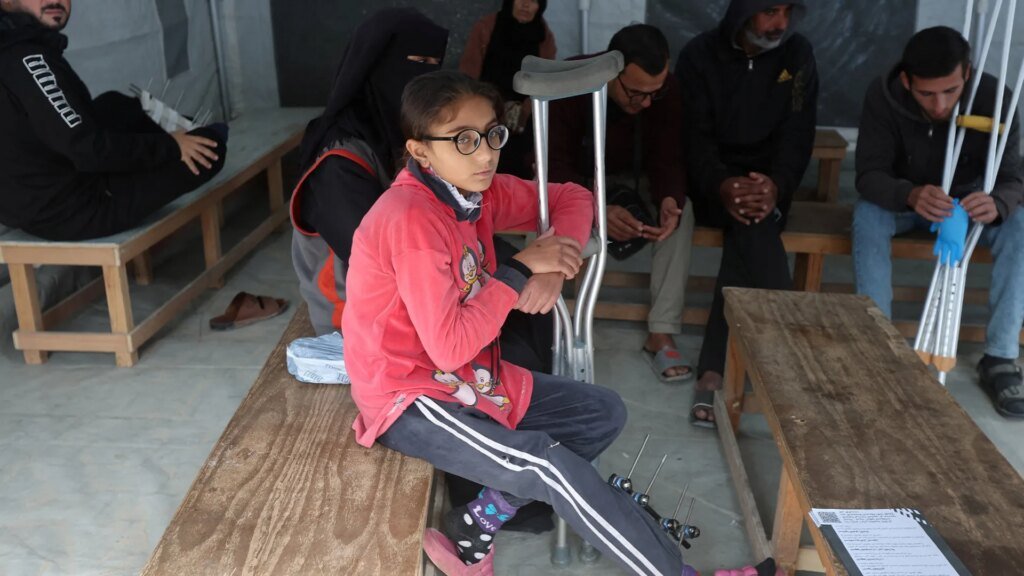
This latest development affects local communities profoundly. Vulnerable populations, particularly women and children, will bear the brunt of these restrictions. Many families already struggle to meet their daily needs, and the loss of international support will only add to their burden.
Conclusion
In conclusion, the withdrawal of licenses for these international organizations is a grave setback for humanitarian efforts in Gaza. With the existing crisis poised to worsen, immediate action is necessary to address the challenges faced by the affected communities.