
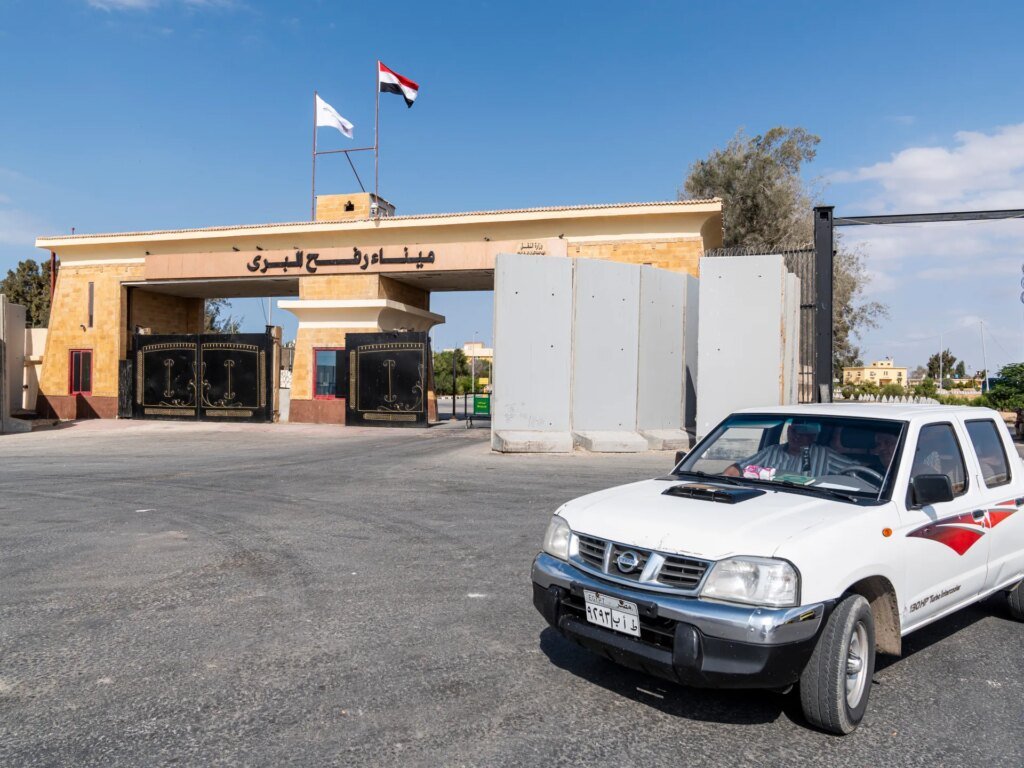
Reopening of the Rafah Crossing: What to Expect
As the situation in the Gaza Strip continues to evolve, Israel is taking steps to reopen the Rafah crossing, a crucial humanitarian gateway between Gaza and Egypt. This decision comes after Israeli Prime Minister Benjamin Netanyahu’s visit to the United States, highlighting the ongoing international pressures related to the humanitarian crisis in the region.
The Importance of the Rafah Crossing
For many Palestinians in Gaza, the Rafah crossing is their sole link to the outside world. This lifeline was disrupted in May 2024 when Israeli forces occupied the Palestinian side of the crossing. Their actions included destroying critical infrastructure and severely limiting travel, leading to a deepening humanitarian crisis, particularly affecting patients needing urgent medical attention.
Current Developments
Reports suggest that Israel’s Kan 11 news outlet indicated the imminent reopening of the Rafah crossing in both directions. This anticipated action seems to be influenced by U.S. President Donald Trump’s ongoing diplomatic engagement in the region. The first phase of Trump’s 20-point plan, introduced by the U.S. administration in October, emphasized the necessity of allowing humanitarian aid into Gaza and “opening the Rafah crossing in both directions.”
Concerns Among Regional Nations
Despite these developments, Israel has maintained strict limitations on aid entering the territory. In December, a military unit known as COGAT announced that the Rafah crossing would soon open, but solely for residents exiting the Gaza Strip to travel to Egypt. This news elicited significant unease among mediating countries. A joint statement from foreign ministers of various nations, including Egypt and Saudi Arabia, expressed “deep concern” and rejected any attempts to displace Palestinian people from their homeland.
The Role of International Diplomacy
Prior discussions regarding the reopening of the crossing occurred before Netanyahu’s recent engagement with Trump, although the decision was delayed. An unnamed U.S. source hinted that the announcement about the crossing’s dual reopening could happen shortly following Netanyahu’s return from the U.S. trip, during which Trump praised the Israeli Prime Minister as a “hero,” asserting that Israel had fully adhered to his peace initiatives.
Future Implications
Recent reports have indicated growing frustration among U.S. officials regarding what they perceive as Netanyahu’s reluctance to move forward with the ceasefire plan. There are concerns that he may be positioning himself to renew hostilities against Hamas when it suits him. As the situation unfolds, the eyes of the international community remain fixed on the humanitarian implications for Palestinians in Gaza and the broader geopolitical landscape in the region.
Conclusion
The reopening of the Rafah crossing represents a critical development in addressing the humanitarian needs of the people in Gaza. While optimism exists regarding potential aid flow and mobility improvements, the overarching tension and ongoing negotiations create a complex environment that demands careful observation moving forward.
Key Takeaways
- The Rafah crossing is crucial for Palestinians in Gaza, serving as their primary access point to the outside world.
- Israeli forces have controlled the crossing since May 2024, exacerbating humanitarian crises within Gaza.
- International diplomatic pressures, especially from the U.S., are influencing decisions regarding the crossing’s reopening.
- Concerns are rising about potential displacements and ongoing hostilities as negotiations continue.